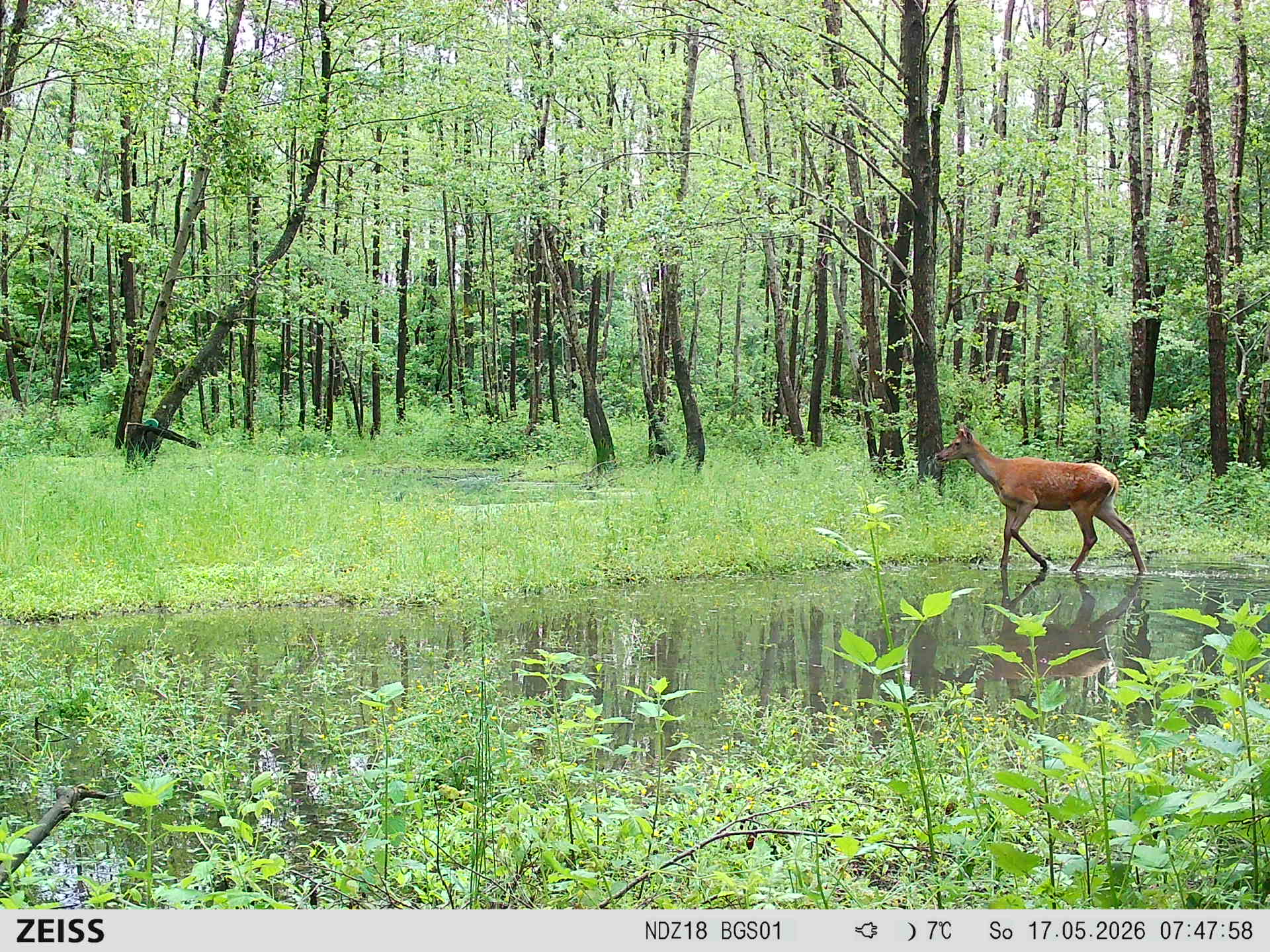
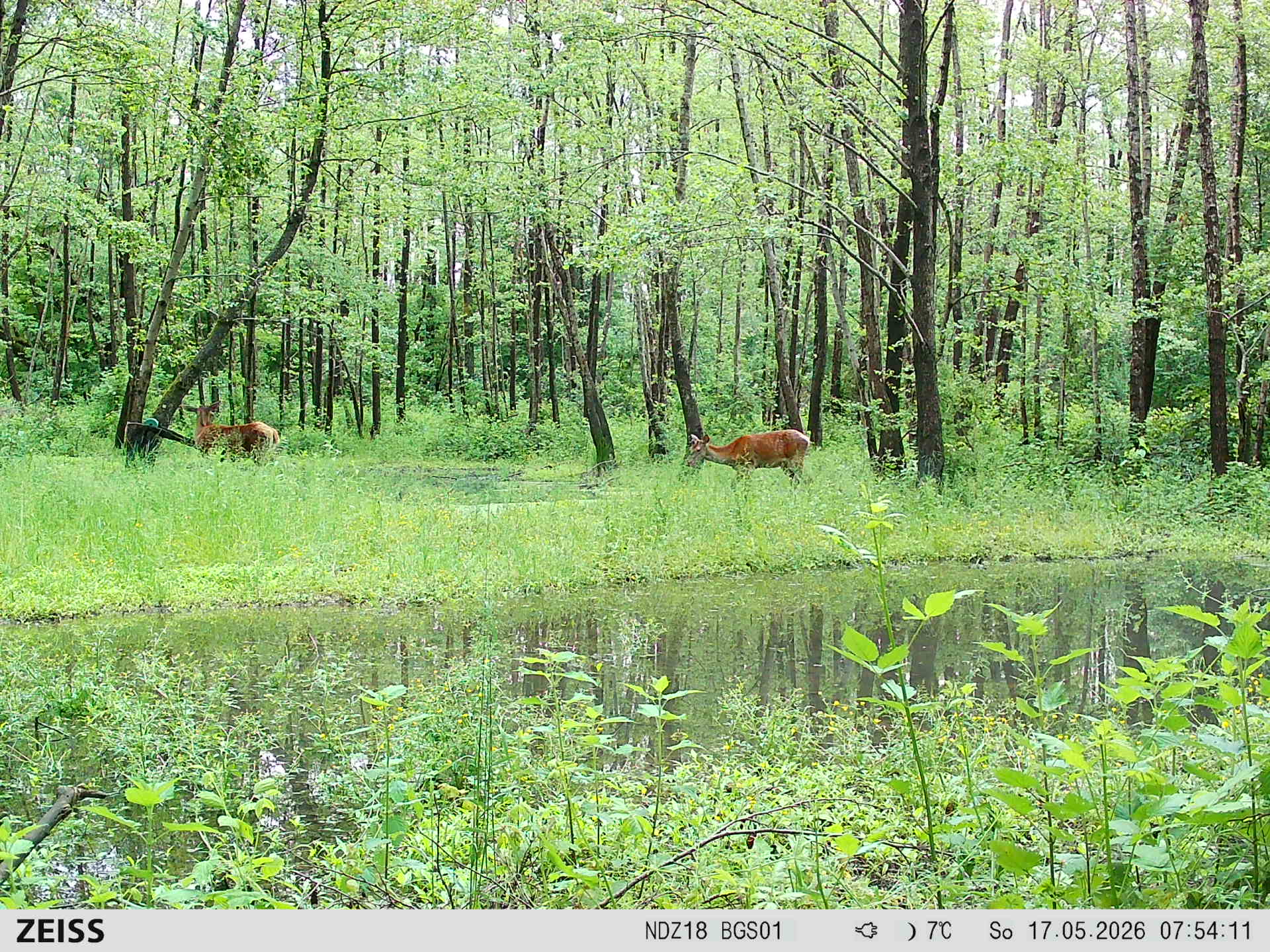
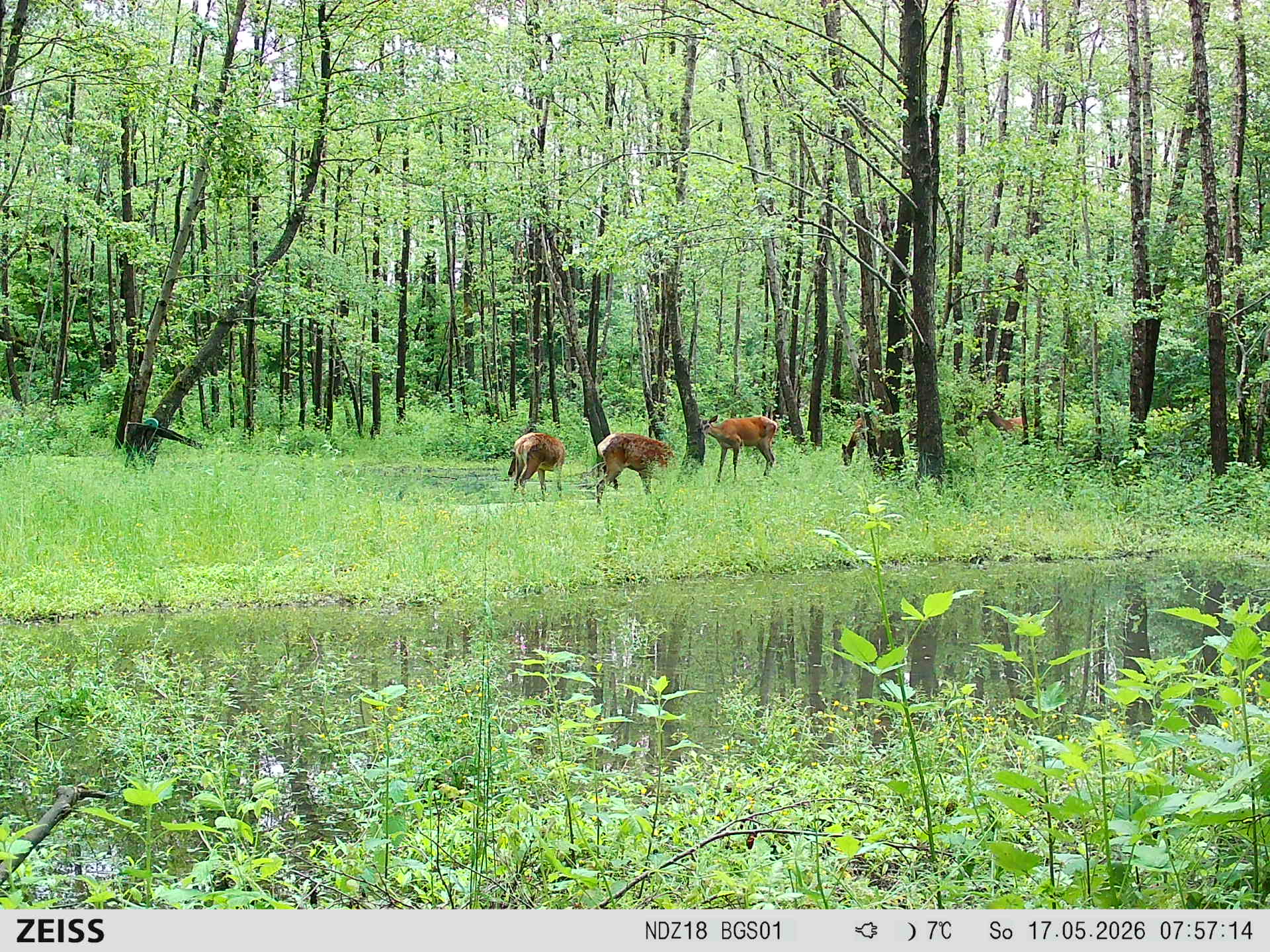
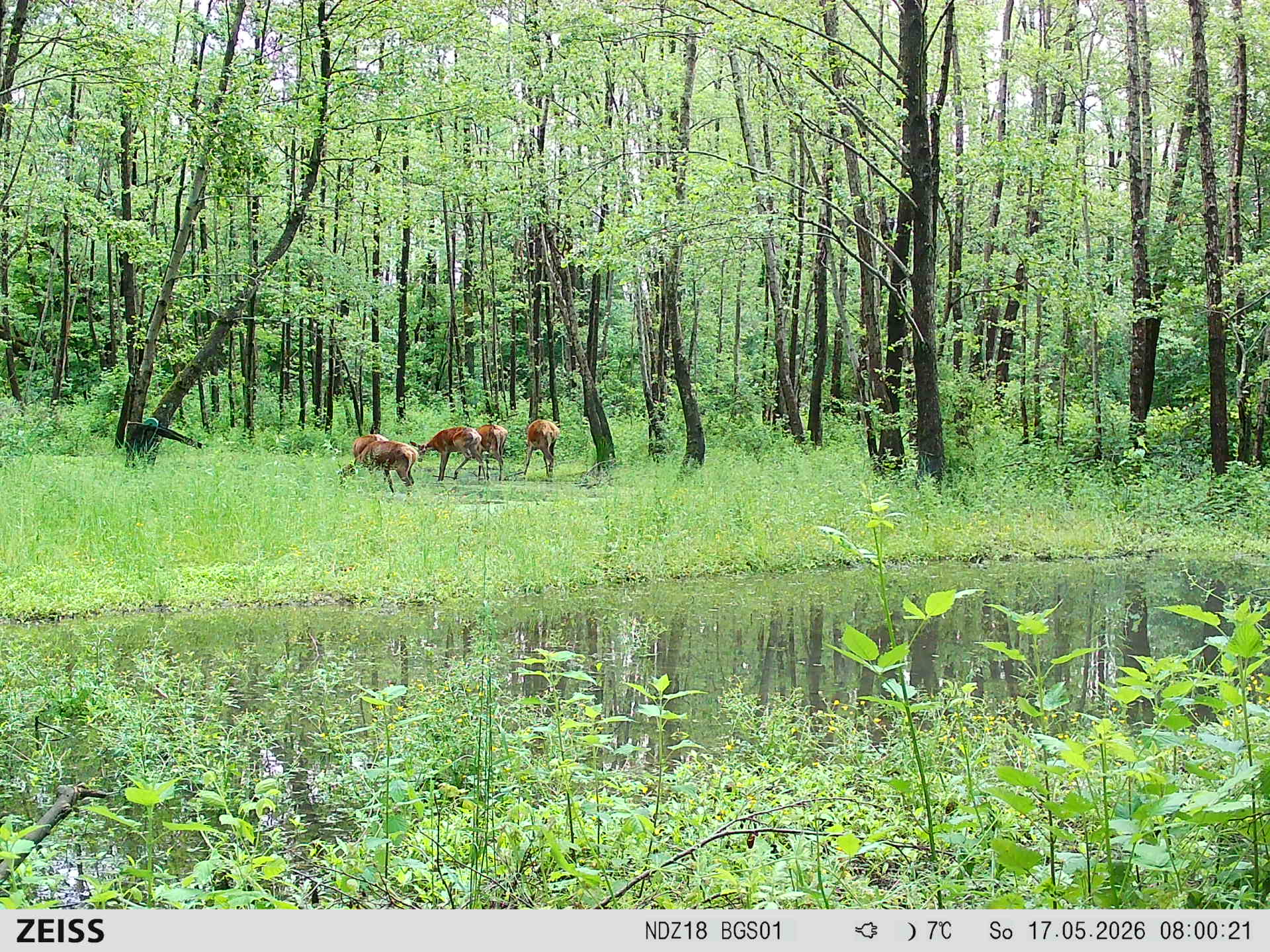
Wallow Use and Mineral Requirements in Red Deer – Phenological and Wildlife Management Connections…
Wallow Use and Mineral Requirements in Red Deer – Phenological and Wildlife Management Connections
May as a Critical Phenological Window
May is one of the most dynamic transitional periods in the ecosystem of temperate deciduous and mixed forests.
For large forest game – especially red deer (Cervus elaphus) – this period represents several mutually reinforcing physiological burdens at once: the explosive development of spring vegetation, the intensive phase of antler growth, rapidly changing temperature conditions, and preparation for the reproductive cycle all simultaneously place demands on an individual’s energy and mineral balance.
The phenological context is not negligible: the pre-early-summer vegetation wave – the burst of shoots, the flowering of herbaceous plants, the leafing out of trees – offers an abundant energy source, but the qualitative composition of the forage shifts during this period toward fresh plant matter high in water and sugar content, though not necessarily rich in minerals.
This partly explains why animals increasingly seek out salt licks and mineral-rich wallows precisely during this period.
Metabolic Aspects of Antler Growth
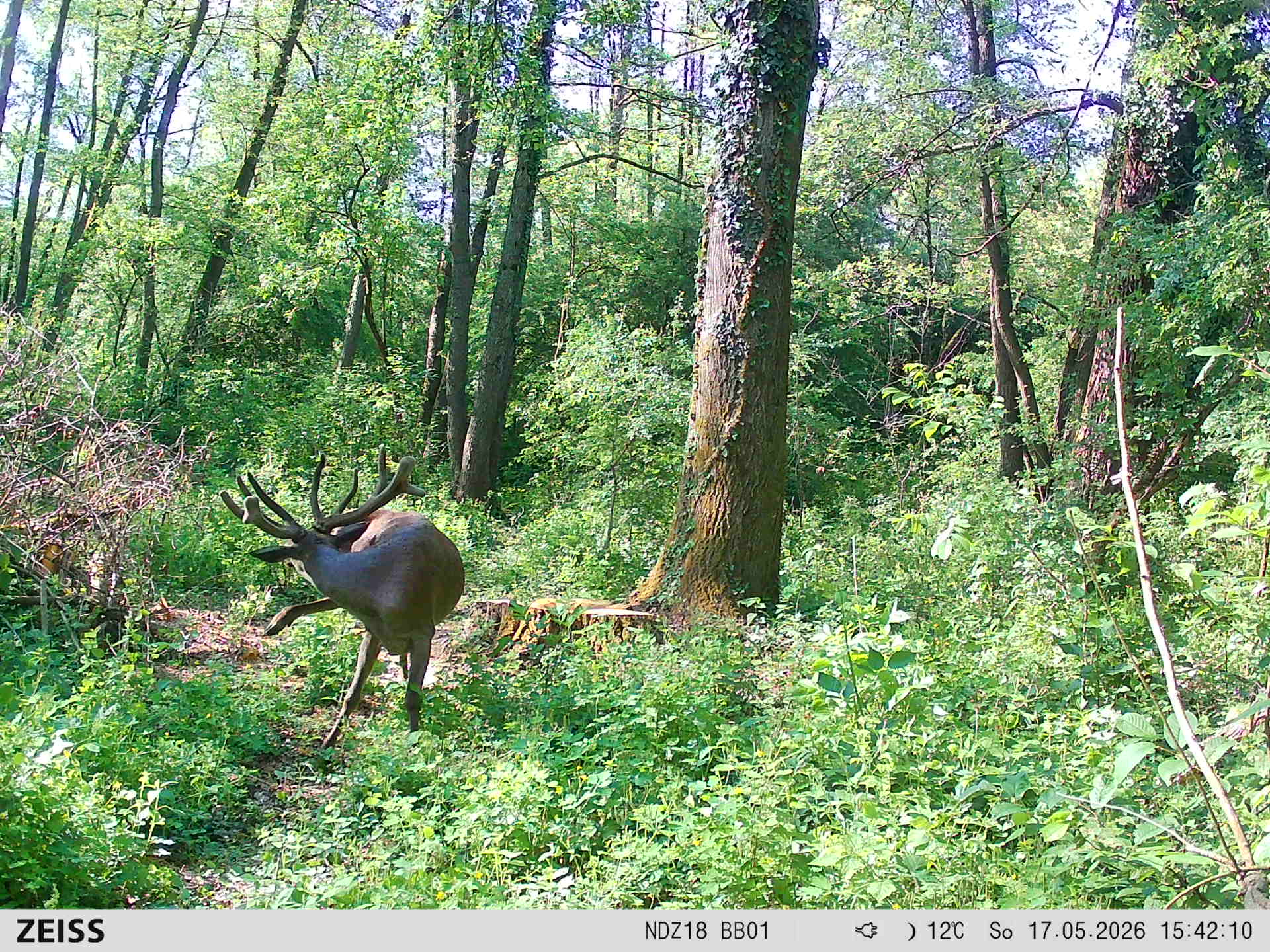
The antlers of a red deer stag are the result of one of the fastest tissue growth processes in the mammalian world. At peak performance, antlers can grow at a rate of 1.5-2.5 cm per day, which presupposes extremely intensive metabolic activity. The structural basis of antler is a bone matrix built on hydroxyapatite [Ca₁₀(PO₄)₆(OH)₂], whose mineralization requires calcium (Ca) and phosphorus (P) in quantities orders of magnitude greater than the stag’s general bone turnover.
Studies have shown that during the peak phase of antler growth, the calcium and phosphorus concentrations measurable in stags’ blood serum can differ significantly from the winter baseline state, with the body covering part of the deficit from the skeleton’s existing mineral reserves – primarily from the spongy bone of the ribs and long bones. This process is called osteological mobilization, and it can essentially be considered an internal mineral-lending mechanism, which antler mineralization "pays back" during the velvet-shedding period.
The role of sodium (Na) is more indirect: beyond maintaining osmotic homeostasis and nerve-muscle function, it also participates in saliva secretion and the activity of digestive enzymes, which are necessary for efficient processing alongside increased food intake.
The antler-specific roles of trace elements magnesium (Mg), zinc (Zn), manganese (Mn) and copper (Cu) have been examined in several studies: Zn and Cu play a role in osteoblast activity, while Mn plays a role in the synthesis of glycosaminoglycans, which provide the base material for the cartilage-like, not-yet-mineralized velvet tissue of the antler.
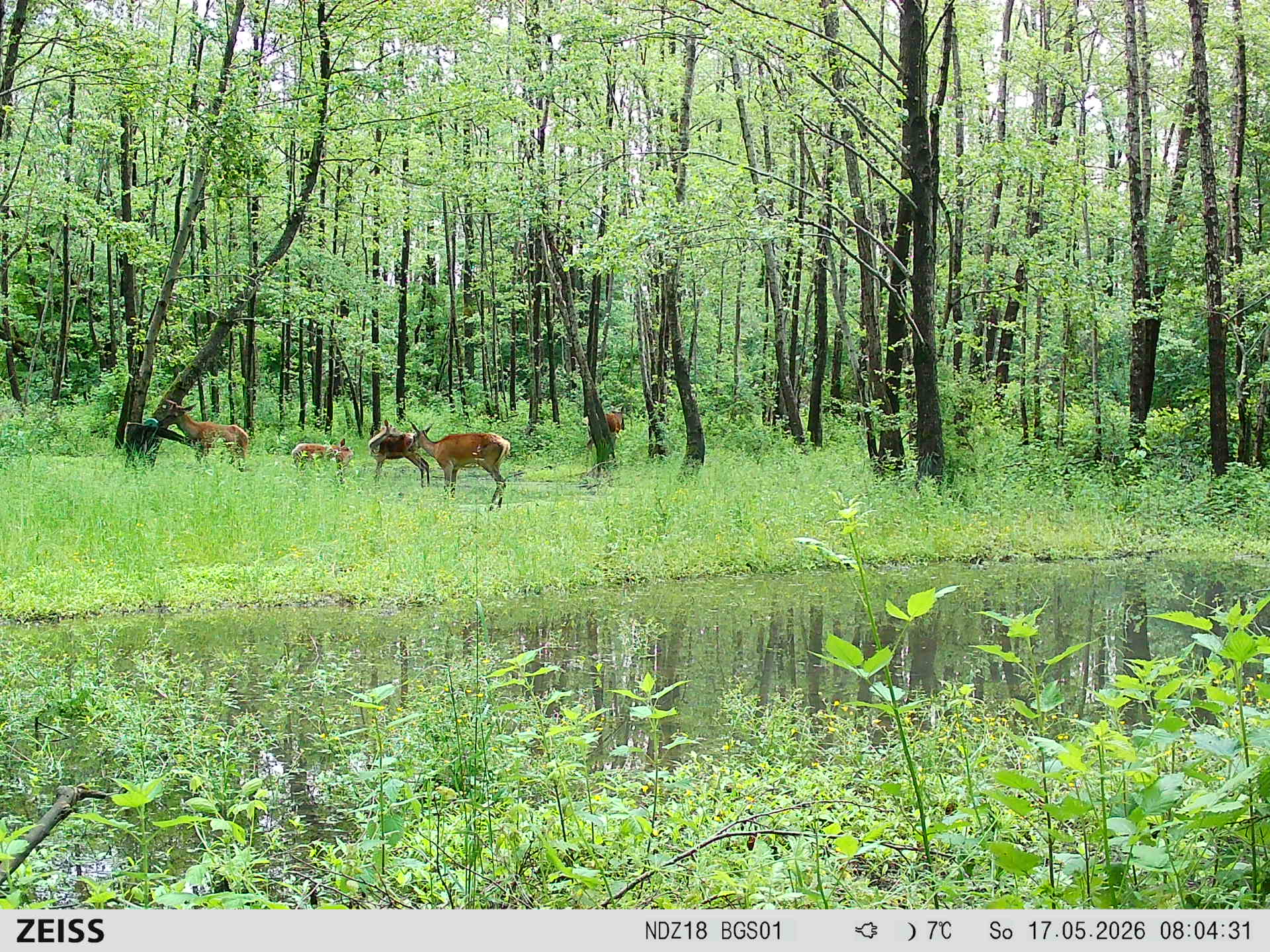
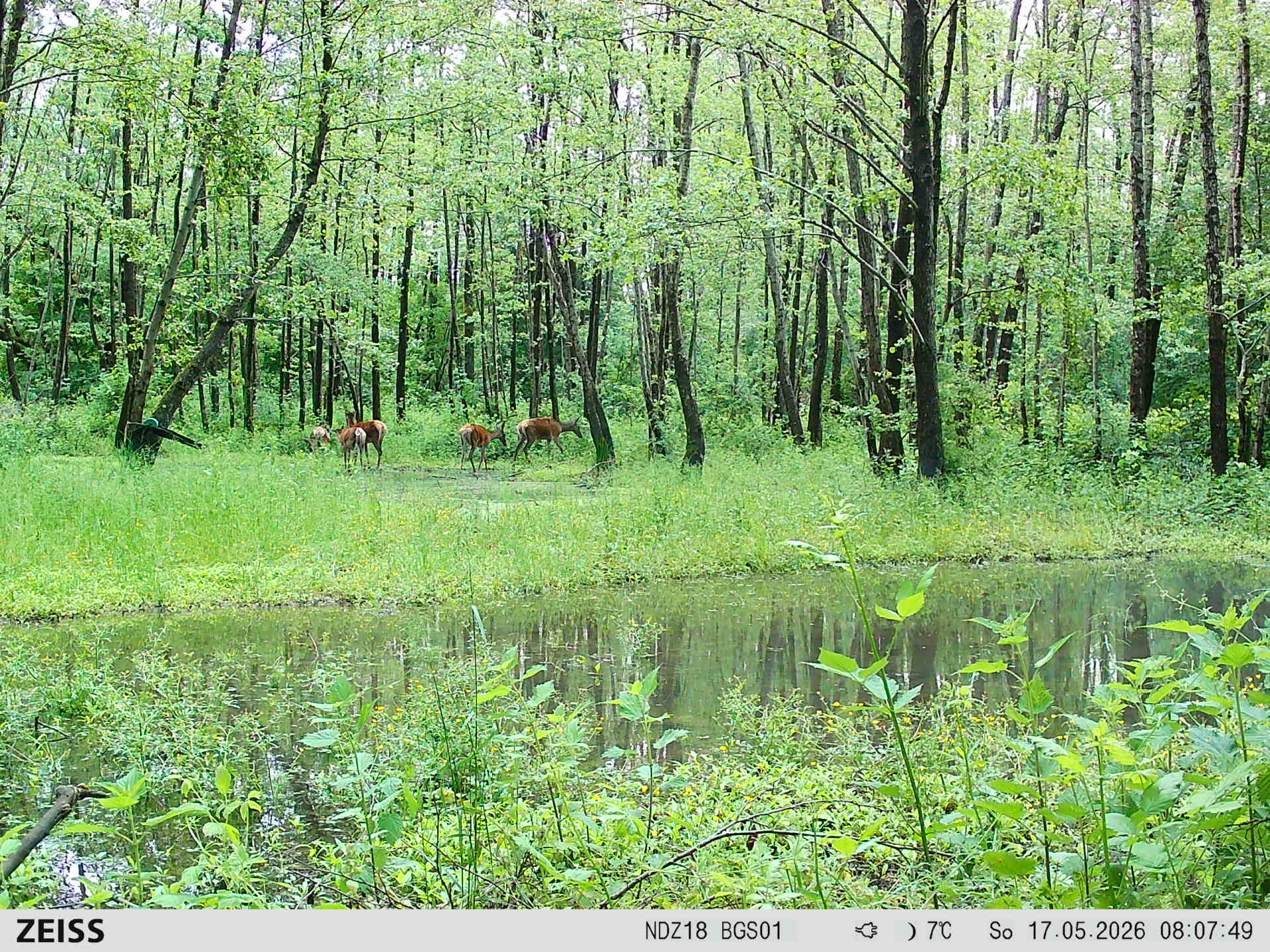
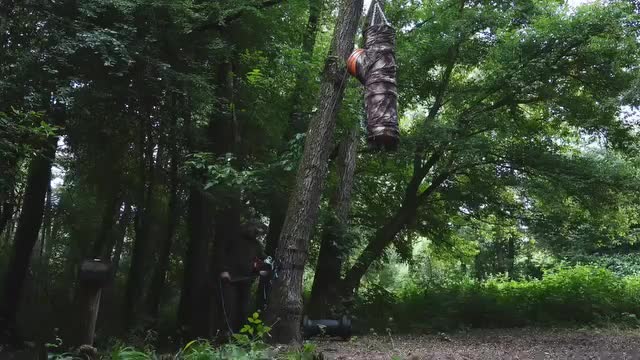
This is why complex, trace-element-enriched salt licks – such as the herbal mineral supplement seen in the footage – are considerably more effective from a wildlife management standpoint than traditional plain rock salt.
The Wallow as a Complex Ecological Functional Element
Thermoregulation
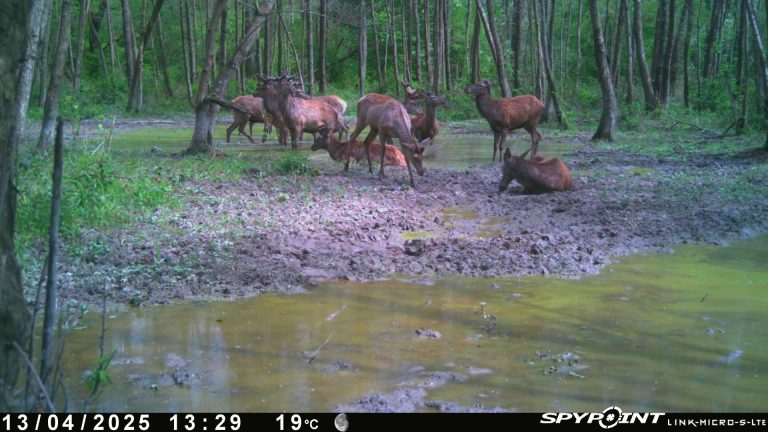
The thermoregulatory function of wallowing can primarily be understood as a supplement to evaporative cooling. Due to the density of the deer’s coat and the morphology of its hair, heat loss through evaporation is of limited efficiency compared to primates; moreover, the transitional state of the spring molt – when the winter coat is still in the process of being replaced by the summer coat – further impairs thermal comfort. Wallowing in wet mud provides immediate and effective surface cooling, owing to water’s high specific heat and heat of vaporization.
Ectoparasite Defense
The ectoparasite-reducing effect of wallow use is threefold:
1. Mechanical barrier: The layer of mud drying on the skin physically prevents new ticks (Ixodes ricinus, Dermacentor reticulatus) from attaching and horseflies (Tabanus spp., Haematopota spp.) from biting.
2. Removal: Wallowing can mechanically tear off already-attached ticks and remove larvae.
3. Chemical disruption: Humic acids, tannins and organic acids that accumulate in natural water-filled wallows exert a repellent effect on certain parasites – although this mechanism is less documented for forest wallows than for salt coastal marshes.
Regarding the seasonal dynamics of the tick population, it is worth noting that the spring activity peak of Ixodes ricinus falls precisely in the May-June period, which coincides in time with the increasing motivation for wallow use.
Social and Behavioral Functions
The character of wallows as a social space is further supported by the fact that returning individuals show consistent behavioral patterns: the "trendsetter" role of the first-arriving dominant individual, quickly followed by the others, points to observational learning and the phenomenon of social facilitation. Although red deer stags form so-called bachelor groups during the summer, the gathering observed around wallows before the September rut can also be regarded as a kind of intra-sexual social testing – one where condition, antler development and dominance relationships are tested in a low-conflict setting.
Water-Retaining Micro-Habitats in the Forest Ecosystem
Hydrological Background
The ecological value of shallow, temporary or semi-permanent forest water bodies (lagoons, wallows, depressions) has drawn increasing attention in conservation biology over the past two decades. These so-called ephemeral wetlands – though small in extent – sustain a disproportionately high species richness among both invertebrate and reptile/amphibian fauna.
For large game species, the evenness of the water-point network has a significant effect on the structure of habitat use and the spatial distribution of game damage. If the density of natural or artificially maintained water points is sufficient, the movement of individuals is dispersed across the habitat, reducing concentrated game-damage pressure on forest regeneration areas and the edges of agricultural plots.
Sensitivity to Climate Change
Climatological trends in the Carpathian Basin clearly indicate an increasing frequency and intensity of dry spring-summer periods, particularly in the March-June period (see: OMSZ long-term precipitation trends; Bartholy et al., 2007, Időjárás). The spring replenishment of natural wallows depends heavily on the precipitation distribution of a given year; in low-precipitation springs, the drying out of natural wallows can shift as much as 4-6 weeks earlier than the long-term average.
This trend points to the fact that in wildlife management plans, maintaining – and, where necessary, actively developing – water-retaining micro-habitats such as wallows, drinking points and temporary catchments should be treated as a priority. A properly deepened (30-60 cm base depth), shaded, clay-bottomed wallow can extend the natural retention of water by weeks even during low-precipitation periods.
Role as a Biodiversity Hub
The ecological interactions organized around a single stable water point can involve the following species groups in the typical forests of Transdanubia and the Hungarian mid-mountain ranges:
Red deer (Cervus elaphus): Drinking, wallowing, conditioning
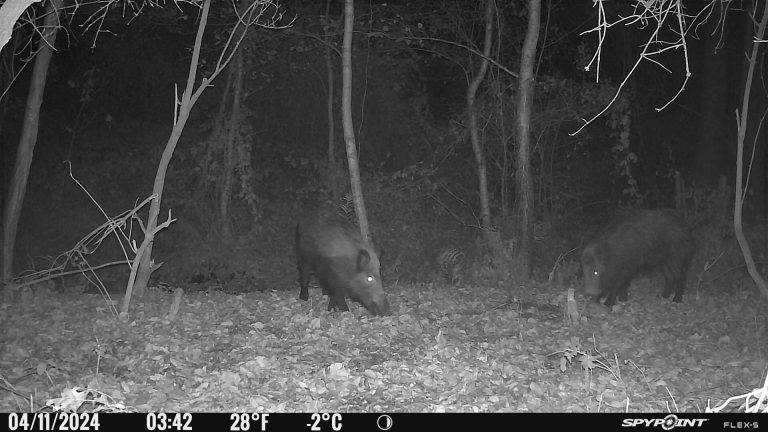
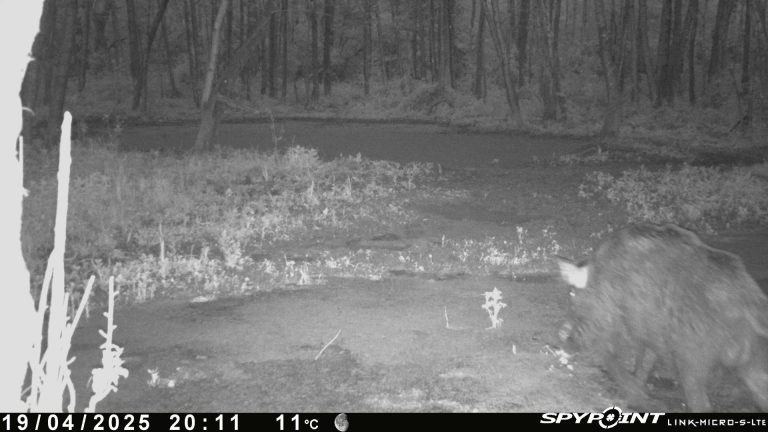
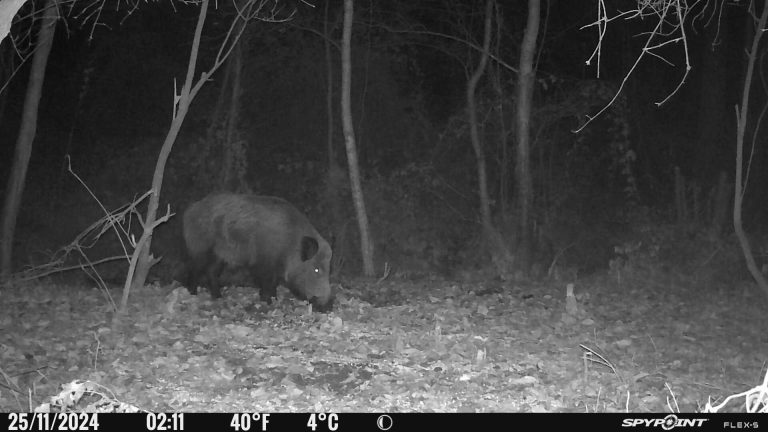
Wild boar (Sus scrofa): Intensive wallowing, rooting, digging
Roe deer (Capreolus capreolus): Drinking, occasional shallow wallowing
Badger (Meles meles): Drinking, sporadic visits
Fox (Vulpes vulpes): Drinking, foraging
Amphibians (common toad, marsh frog): Reproduction, estivation
Birds of prey, herons: Foraging, drinking
Insectivorous birds: Bathing, drinking
This simultaneous multi-taxon use confirms the interpretation of the wallow as a local biodiversity hub.
Trail Camera Monitoring as a Data Collection Method
Trail camera observation – especially when carried out systematically, in fixed positions, with timestamps and a consistent camera setup – is an established, low-disturbance tool of wildlife biology research. The fundamentals of so-called camera trapping methodology enable:
• Abundance and density estimation using occupancy modelling and N-mixture models, provided the cameras form a network and individuals can be identified (e.g. based on antlers or coat pattern);
• Analysis of activity curves – broken down by day, week and season – showing the temporal structure of wallow visitation;
• Age and sex structure estimation – particularly useful for tracking the current composition of the population even without harvest data;
• Compilation of behavioral ethograms – to document the relative proportion of individual behaviors (drinking, wallowing, salt-lick use, social interaction, alarm response).
The planned second camera position – which will work from the opposite end of the wallow, with a more favorable viewing angle – specifically improves individual identifiability and enables a stereo perspective, which also provides a valuable reference point for assessing antler development. Where both side profiles can be captured, the symmetry of the antlers, the number of points and the branching structure can be documented in more detail than from a single frontal view.
Summary – Wildlife Management Conclusions
The observations described above offer insight into the functioning of a well-functioning forest micro-habitat unit, which simultaneously fulfills drinking-water supply, mineral replenishment, thermoregulation, anti-parasite and social functions for the local red deer population.
The sustainability of this system – especially in the context of climate change – requires active intervention: improving the wallow’s water-retention capacity where possible, ensuring shade, maintaining the salt-lick system, and regularly evaluating trail camera monitoring all contribute to keeping this local biodiversity hub stable and productive in the long term.