The Silver Poplar’s Second Life on the Hunting Ground
The silver poplar’s second life on the hunting ground
A few weeks ago a windstorm swept through the area.
The damage was dramatic: one of the larger, heavily one-sided silver poplars snapped in two.
A trunk over 80 cm near the base, still over 60 cm in diameter above the break — this was no average tree. It stood as long as it could. Then it didn’t.
For most people the first thought would be firewood.
Mine went a different direction.
━━━━━━━━━━━━━━━━━━━━━━━━━━
🌿 THE STUMP: A WATERING SPOT, NOT A HUNTING FACILITY
Let me make this clear from the start: what I made out of the stump is not hunting infrastructure.
I have no intention of hunting the game that comes there.
This place belongs to them. A peaceful watering spot.
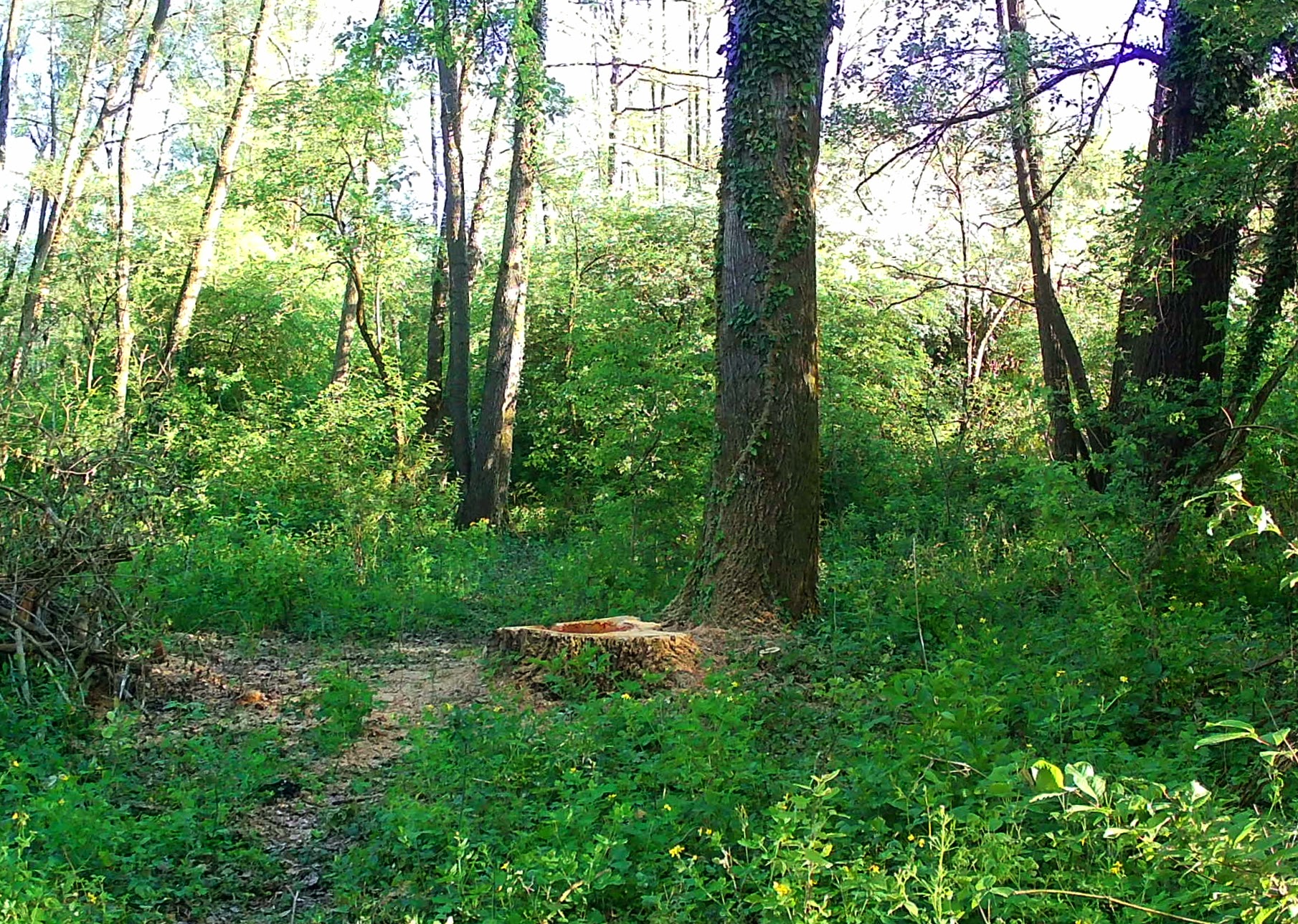
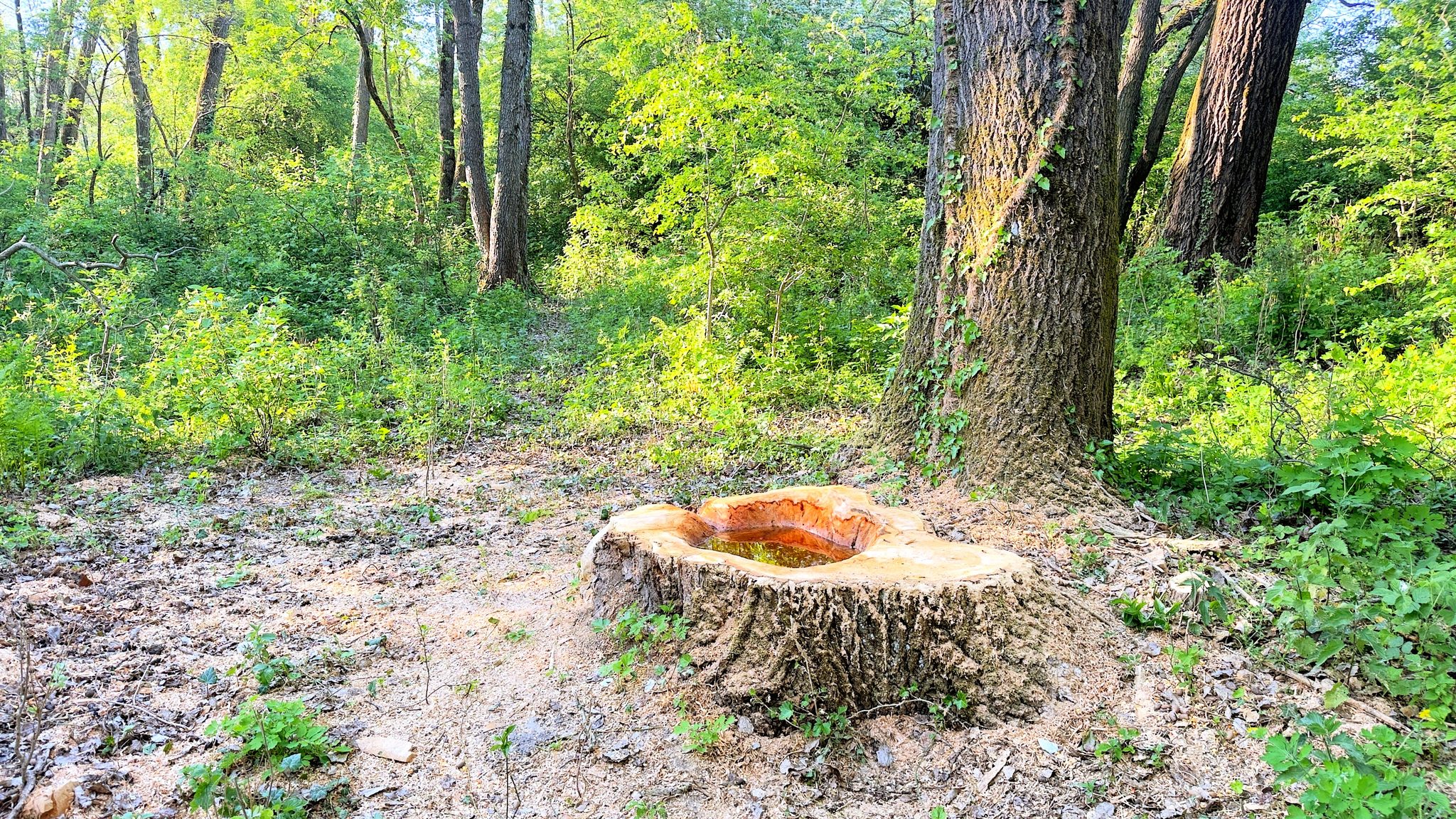
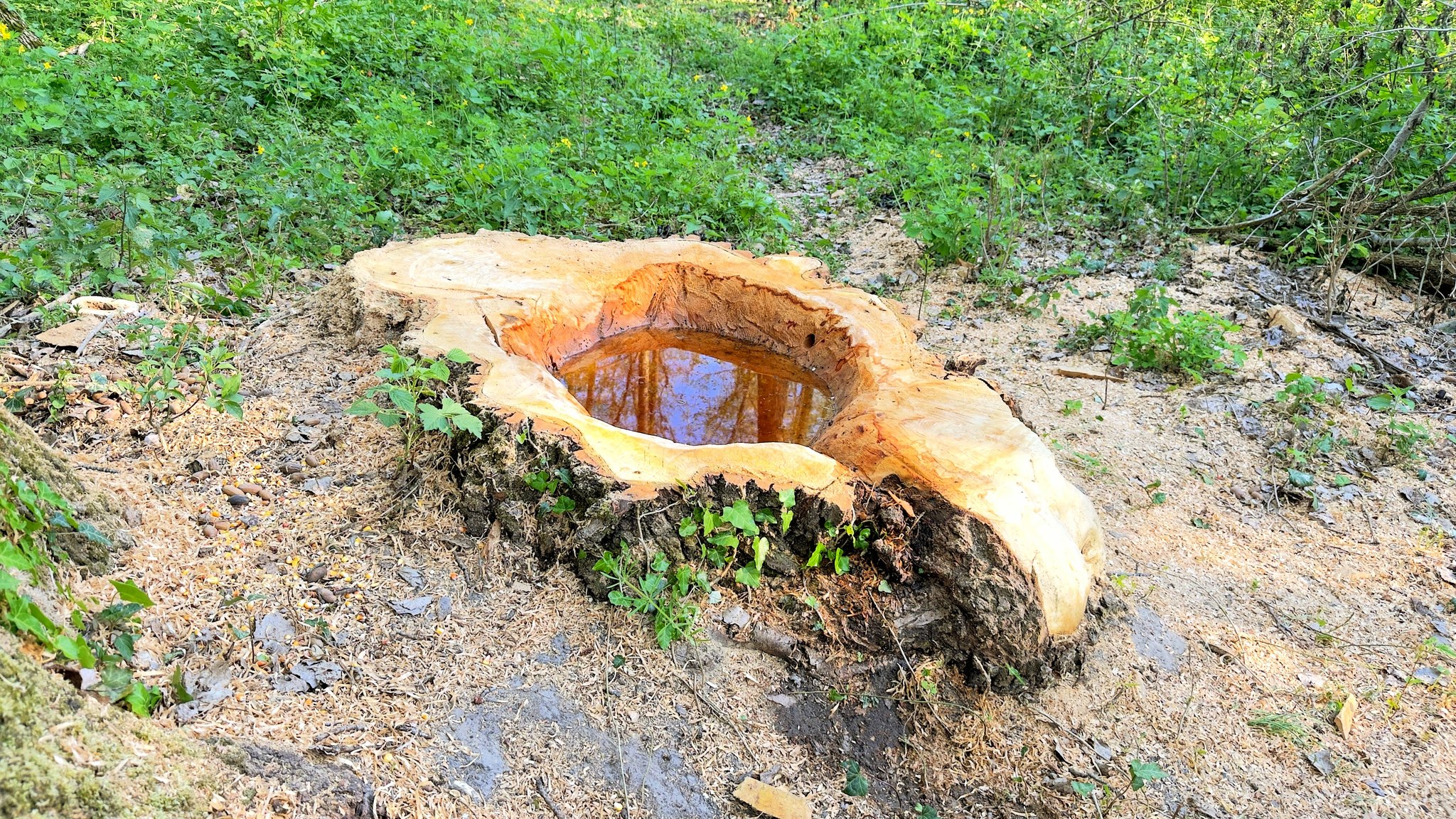
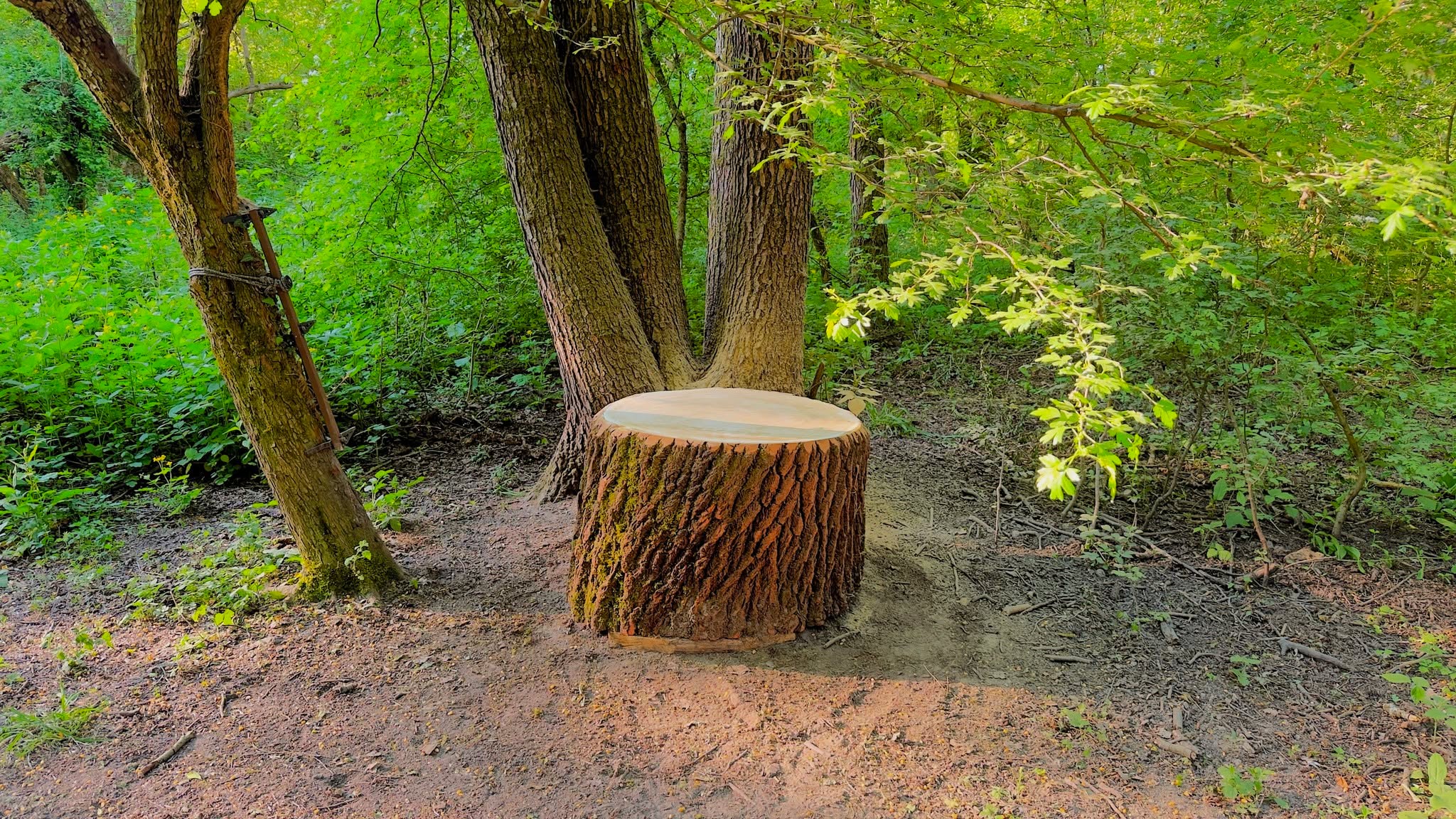
I hollowed out the upper part of the stump.
For the work I used the Stihl MSA 300 cordless chainsaw for the main material removal, the MSA 40 pole pruner for the inner corners and hard-to-reach spots, and smoothed the surface with a Metabo WB 18 LTX BL 15-125 Quick cordless angle grinder fitted with a flap disc.
Using cordless tools was a deliberate choice: no exhaust fumes, minimal vibration, no lingering scent trail on the ground.
I filled the hollow with water carried from a plentiful spring — about 25 liters. Not tap water.
Chlorine-free spring water is critical for amphibians (chlorine inhibits larval development), and birds also avoid disinfected water. The spring is nearby, so refilling is easy.
In a hollow over 80 cm in diameter, there is nearly half a square meter of water surface available. That is enough at once for the wild boar and its piglets, for roe deer, red deer, badger, fox, and pine marten to each take a sip.
The shallow depth, however, is intentional: birds, amphibians, and small mammals can also drink from it safely. Come spring it might even become a spawning site.
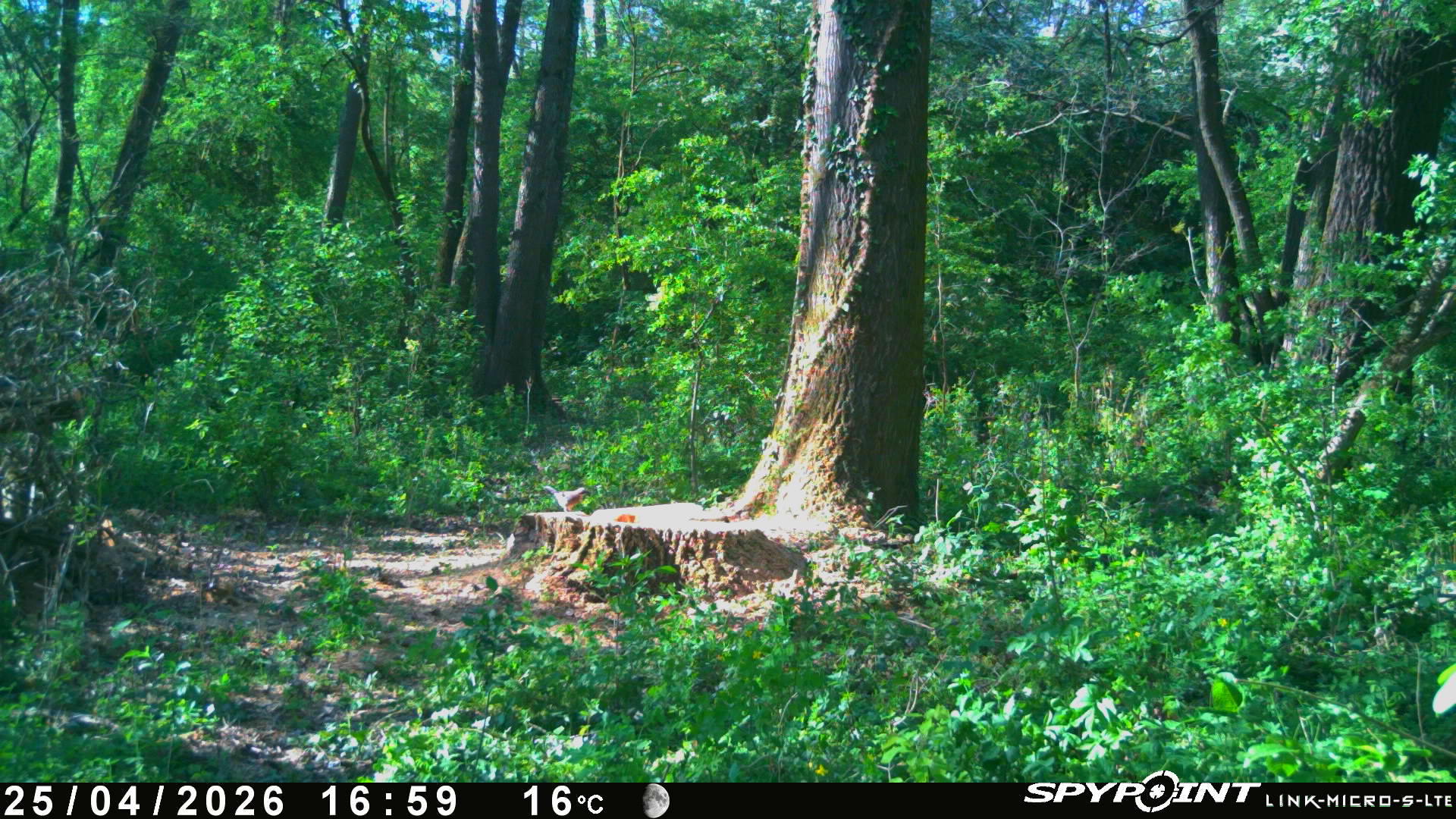
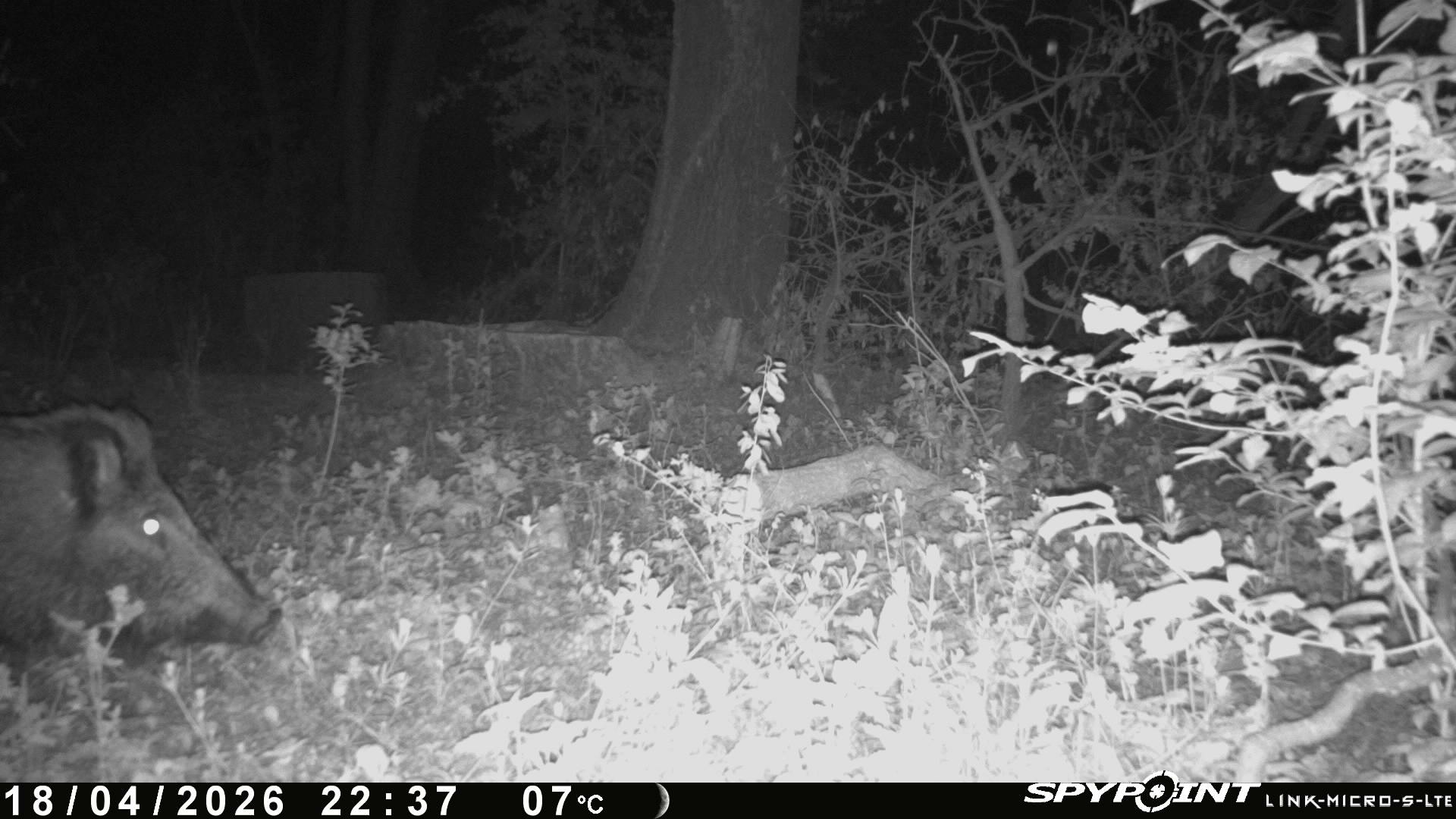
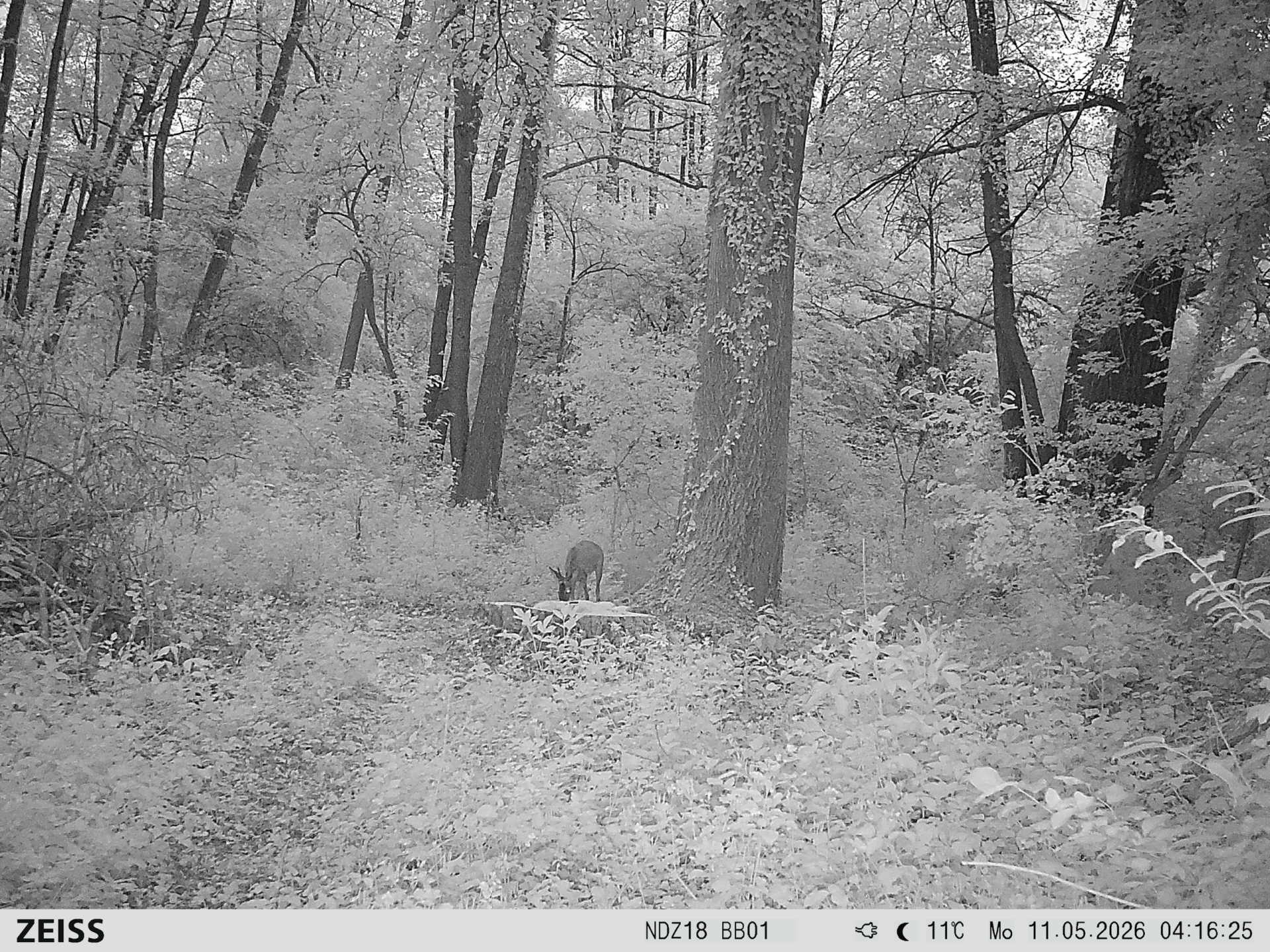
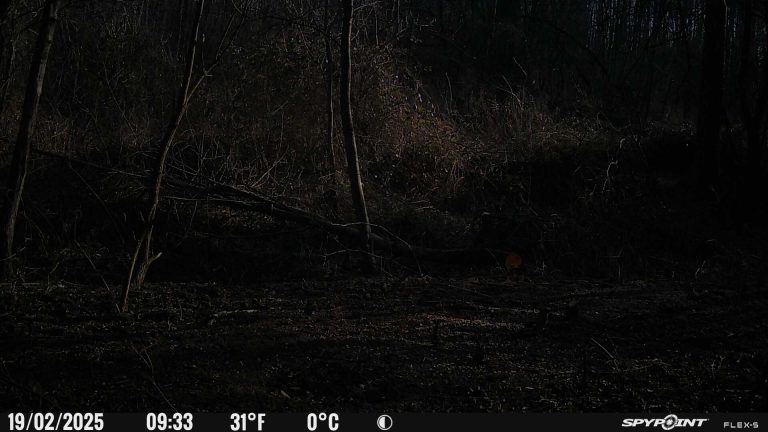
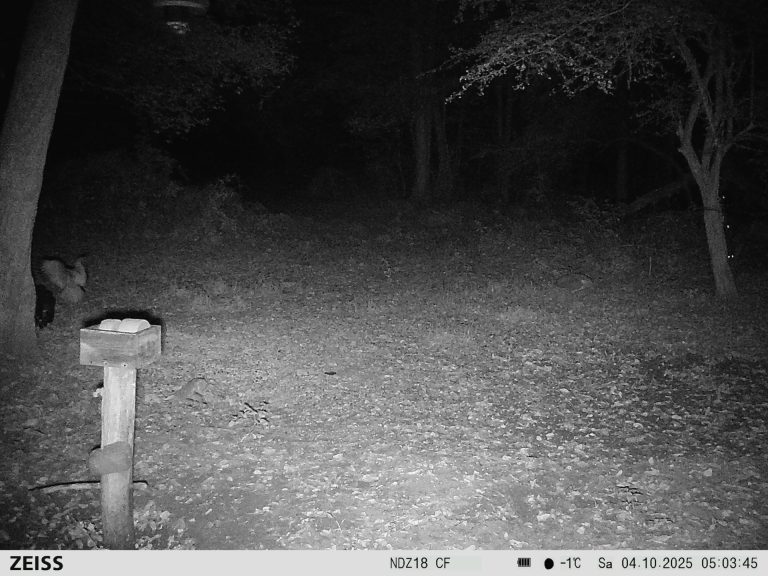
A trail camera watches over the watering hole.
Continuously. Without any human presence.
━━━━━━━━━━━━━━━━━━━━━━━━━━
🪵 THE TRUNK: A STALKING PATH MADE OF WOOD ROUNDS
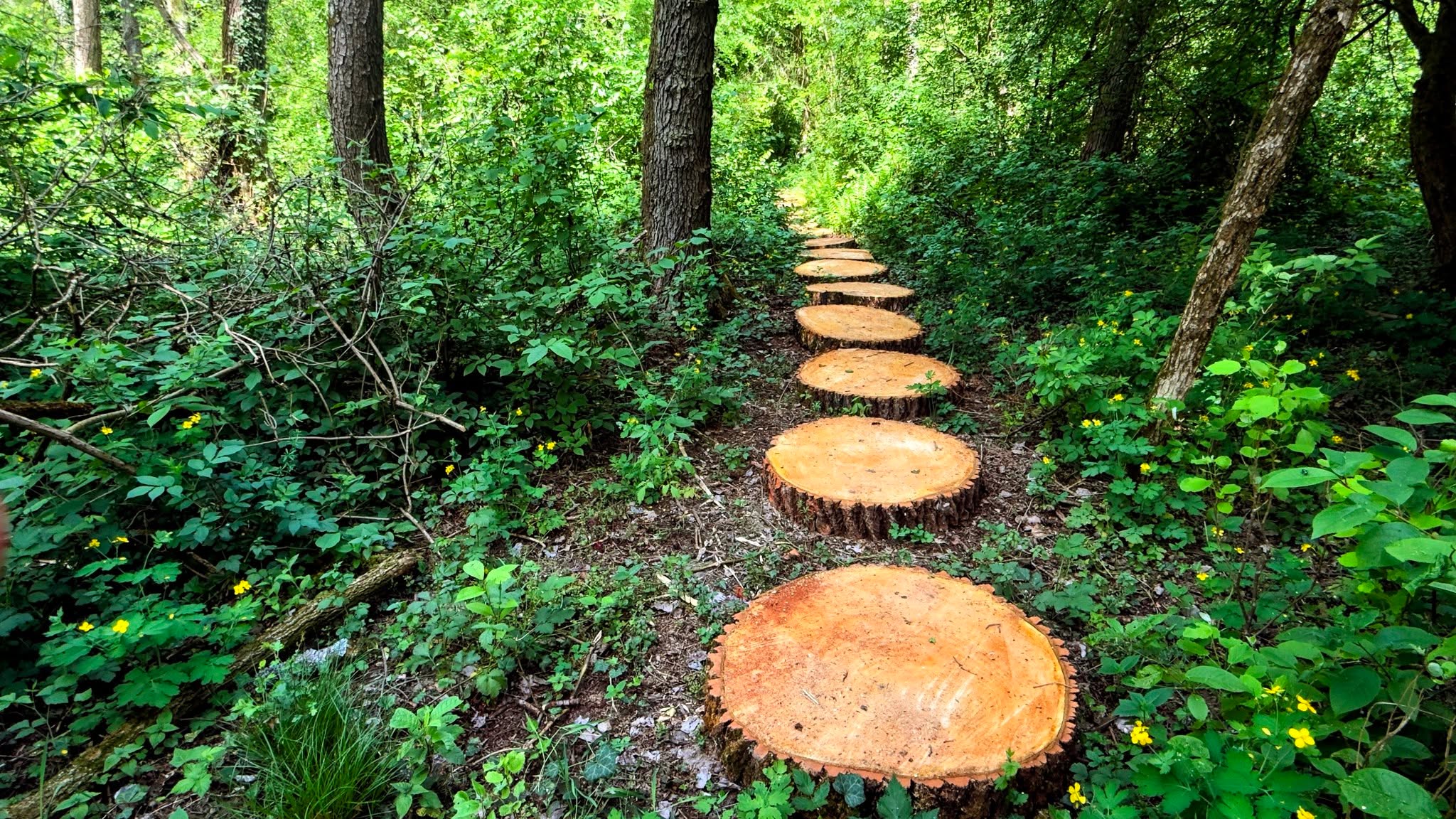
I cut the fallen trunk into 10–15 cm slices.
The rounds range from 60 to 80 cm in diameter — an unusually large surface area to work with. A single round covers about half a square meter. Freshly cut, each weighs between 25 and 55 kg, so there’s no need to nail or fasten anything — their own weight holds them in place.
I laid the rounds side by side with 10–15 cm gaps between them.
This wasn’t an aesthetic choice. The gap drains rainwater — if standing water collects underneath, the rounds would rot much faster. The gap also keeps the surface passable for the small creatures living beneath each round, and lets in just enough light to kick-start moss colonization.
In terms of sound dampening, poplar wood rounds are among the best natural materials available.
Dry leaf litter — loud.
Gravel — loud.
Compacted earth — moderate, and here and there saplings push through and take hold, which becomes a real obstacle for quiet stalking.
Poplar wood rounds — quiet.
Anyone who has ever walked a path like this can confirm it.
━━━━━━━━━━━━━━━━━━━━━━━━━━
🎯 WHY THERE? THE FULL PICTURE
Now comes the part that makes this whole thing work as a system, not just a nice idea.
The path provides a rear approach to an automatic feeder.
During the approach, if the game is already at the feeder, it also allows for a shot taken from cover.
25 meters from the feeder, at a height of 8 meters, my Summit Viper SD Pro climbing stand is mounted — fixed in place, so I don’t have to climb up freshly each time.
No mounting noise. No repeated scent trail on the bark.
The point of the rear approach is simple: I arrive via the path, avoid the immediate vicinity of the feeder, and reach the tree from the side opposite the stand. Human scent doesn’t settle around the feeder area — where the game actually is.
From a height of 8 meters, at a horizontal distance of 25 meters, the shot angle is about 17.7 degrees.
That’s a good angle for bowhunting: the vital organs are reachable, and the 25-meter effective range is within most hunters’ comfort zone.
━━━━━━━━━━━━━━━━━━━━━━━━━━
🐛 WHAT HAPPENS UNDER THE ROUNDS
Many people never think about this, but it might be the most fascinating part.
A large-diameter wood round lying on the ground creates its own ecological niche. A dark, moist space with stable temperature — exactly what centipedes, woodlice, millipedes, ground beetles, slugs, and earthworms look for.
Because of the 60–80 cm size, several colonies can live under a single round at once without disturbing each other.
This isn’t a trivial fact from a wildlife management perspective either. Wild boar actively flip the rounds over — a regular but beneficial disturbance that restarts the colonization cycle and aerates the soil. Blackbirds and woodcock pick food out of the gaps. Badgers also become regular visitors.
So the path has — even unintentionally — become a linear feeding corridor. The game would pass through here anyway.
Within 6–18 months, moss will appear on top of the rounds and ferns will sprout at their edges — the path will blend visually into its surroundings, and its sound-dampening will keep improving.
━━━━━━━━━━━━━━━━━━━━━━━━━━
📷 THE TRAIL CAMERA
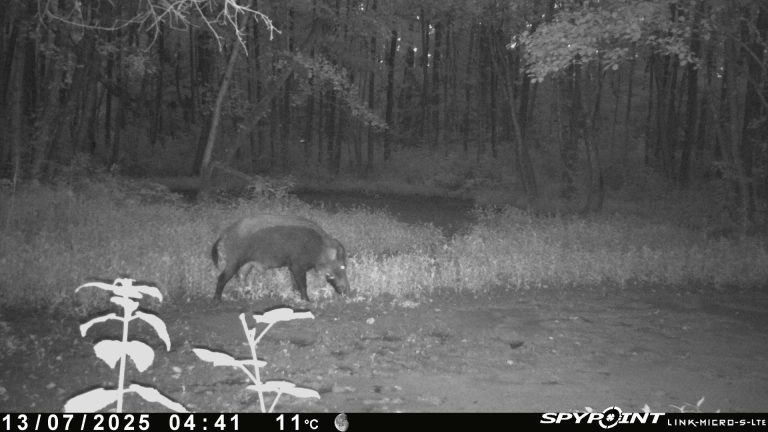
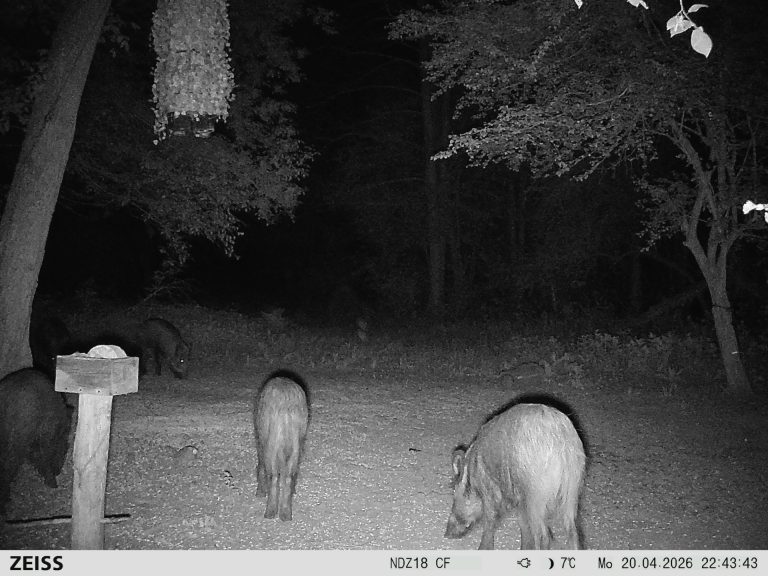
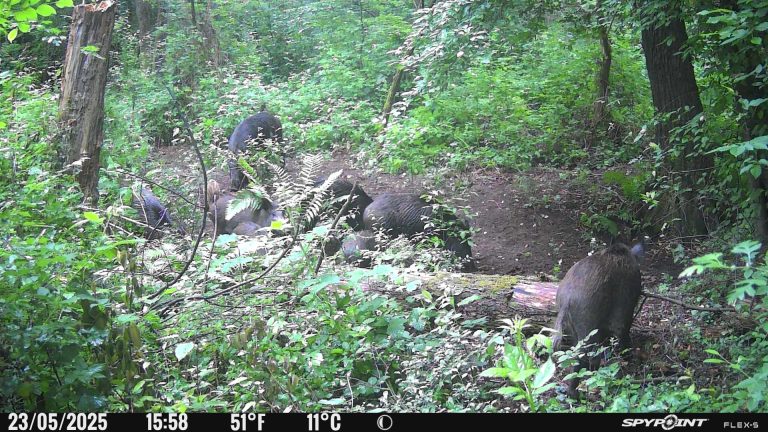
The camera set up at the watering hole watches over all of it. It triggers on motion, but also runs an hourly timelapse alongside — the latter reveals a lot about daily activity patterns. I’ll share the footage as it comes in.
There is no connection between the watering hole and the stand. I don’t hunt the game that visits there. Two separate places, two separate logics.
━━━━━━━━━━━━━━━━━━━━━━━━━━
In summary: a single fallen tree, zero extra material used, three functions at once — a nature-watching watering hole, a quiet stalking path, and a scent-free rear entrance to the stand.
The silver poplar’s soft wood, neutral scent, and fast colonization happened to fit this task perfectly, by pure chance.
The storm took a tree. We gave it back to the land in another form.
————
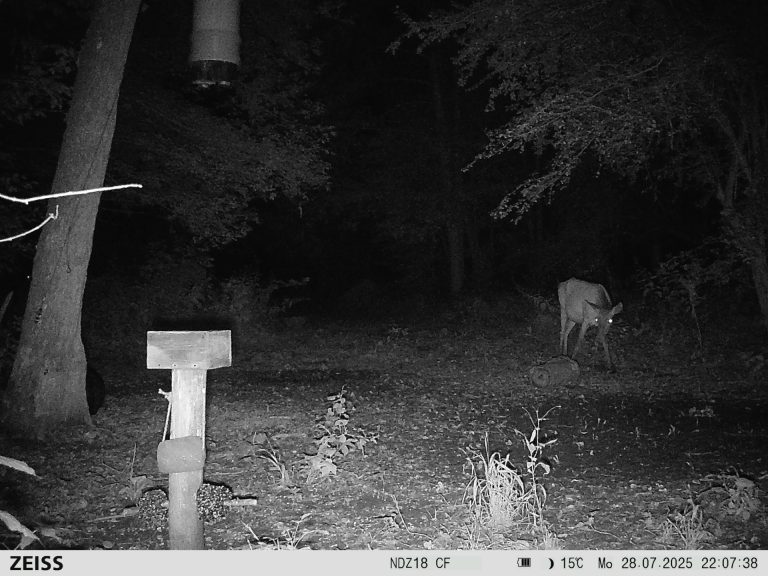
It’s quite likely that as I approached the watering hole built from the stump, the faint click of the camera’s shutter spooked this buck off too, which is why there aren’t more pictures of him.
Animals that have lived long enough to reach old age tend to be extraordinarily cautious.
#bowhunting #íjasvadászat #vadgazdálkodás #természetmegfigyelés #ezüstnyárfa #erdészet #vadkamera #cserkelés #SummitViper #Stihl #Metabo #BowhunterMoments