Wildlife feeders as micro-ecosystems: ecological effects and species community dynamics…
Wildlife feeders as micro-ecosystems: ecological effects and species community dynamics
Introduction
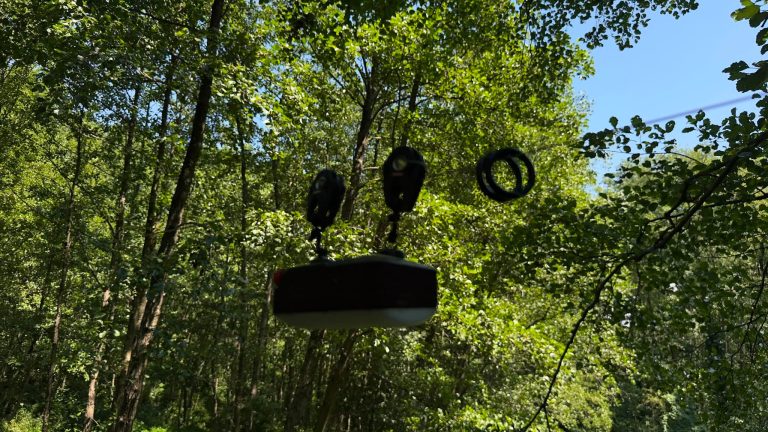
Wildlife management facilities, particularly feeding stations and feeders, are indispensable elements of modern game management. Although these facilities are primarily designed to keep economically valuable big game (Cervus elaphus – red deer, Capreolus capreolus – roe deer, Sus scrofa – wild boar) within a territory and to improve their condition, their ecological impact reaches far beyond their original purpose. This study aims to show how regularly operated feeders can become the hub of complex micro-ecosystems, what cascading effects they trigger in forest wildlife, and what trophic relationships organize around them.
Feeders as nutrient concentration points
Primary attraction effect
The grain feed placed at wildlife feeders (corn, wheat, barley, sunflower) represents a significant caloric mass concentrated in a small area. This anthropogenic food source shows a dramatic departure from the diffuse nutrient distribution of the natural forest environment. Within a 20-50 meter zone around a feeder, the available energy source can increase by as much as 100-1000 times compared to the natural state.
Response of target populations
Big game – especially red deer and wild boar – quickly learn the location and timing of the regular food source. During the winter months, when natural food sources are scarce, these animals visit the feeders daily. Placing salt licks further increases the area’s attractiveness, since replenishing minerals is vital for big game species.
Population dynamics of small rodents around feeders
Species composition and colonization
The microhabitat that forms around feeders primarily attracts the following small mammal species:
* Wood mouse (Apodemus sylvaticus)
* Yellow-necked mouse (Apodemus flavicollis)
* Bank vole (Myodes glareolus)
* Common vole (Microtus arvalis)
* Eurasian pygmy shrew (Sorex minutus)
These species are omnivores or granivores, for whom the deposited grain represents an optimal food source. Research shows that within a 30-50 meter radius of an active feeder, small rodent population density can increase to 3-8 times the background population.
Mechanism of the population boom
Regular food abundance affects rodent populations through several ecological mechanisms:
1. Shorter generation time: Continuous food supply allows females to produce more litters per year. While under natural conditions a female wood mouse may raise 2-3 litters annually, near feeders this can rise to 4-6.
2. Higher survival rate: Individuals living near feeders survive the critical winter period in better condition, which dramatically reduces winter mortality.
3. Earlier sexual maturity: Due to better nutritional status, young individuals reach sexual maturity earlier, which accelerates population growth.
4. Larger average litter size: Well-fed females are able to bear and raise larger litters.
Spatial structure and caching activity
Small rodents do not merely consume food on site but engage in intensive caching activity. A wood mouse can collect and transport as many as 50-100 grains per night to its storage site. This behavior creates concentric zones around the feeder:
* 0-10 meters: Intensive feeding zone, direct feed intake
* 10-30 meters: Nesting and caching zone, dense burrow systems
* 30-80 meters: Transitional zone, a gradient between artificial and natural food sources
Trophic cascade: the appearance of predators
Avian predators
The increased rodent population offers rich hunting grounds for the following birds of prey:
Nocturnal predators:
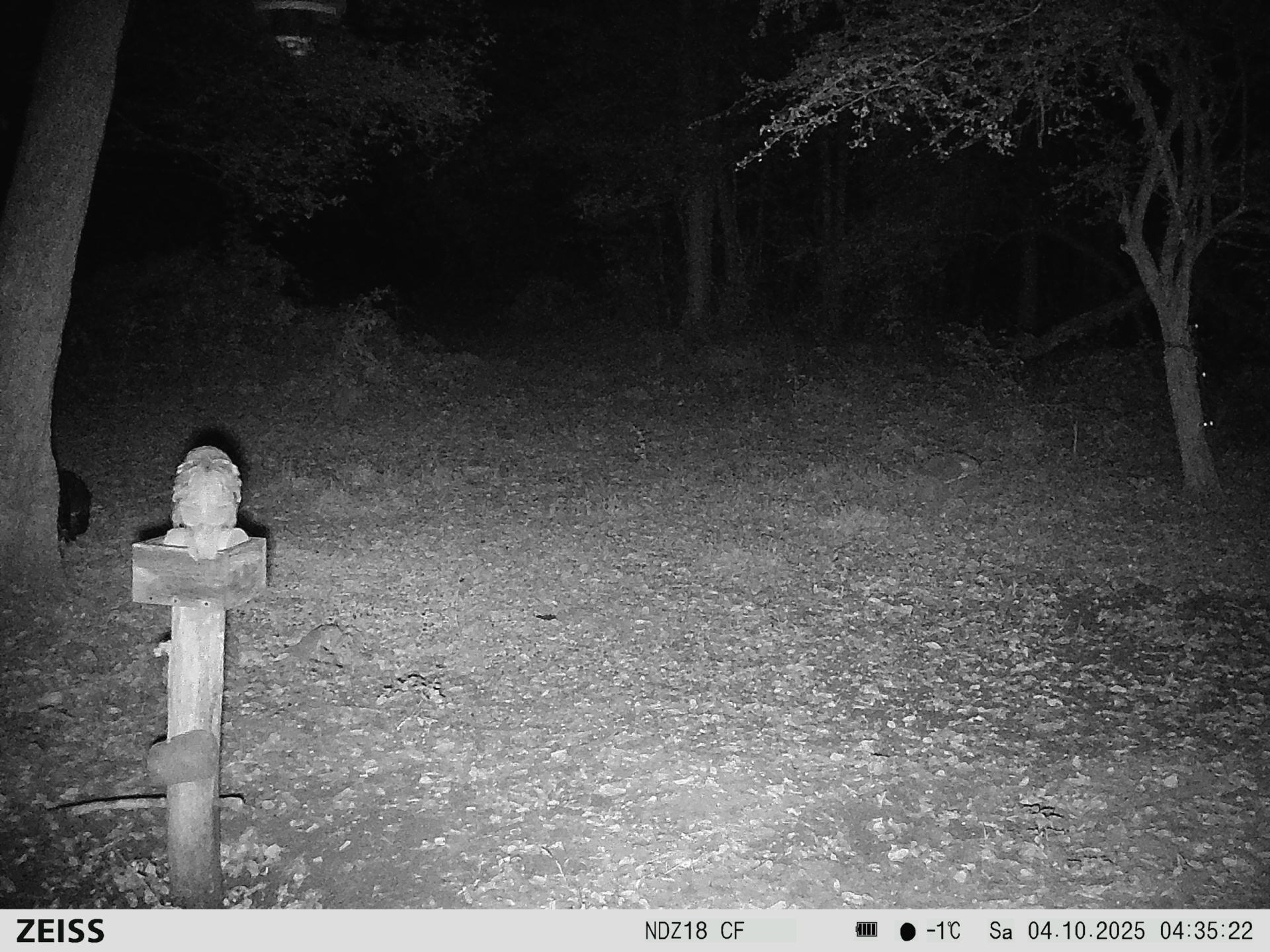
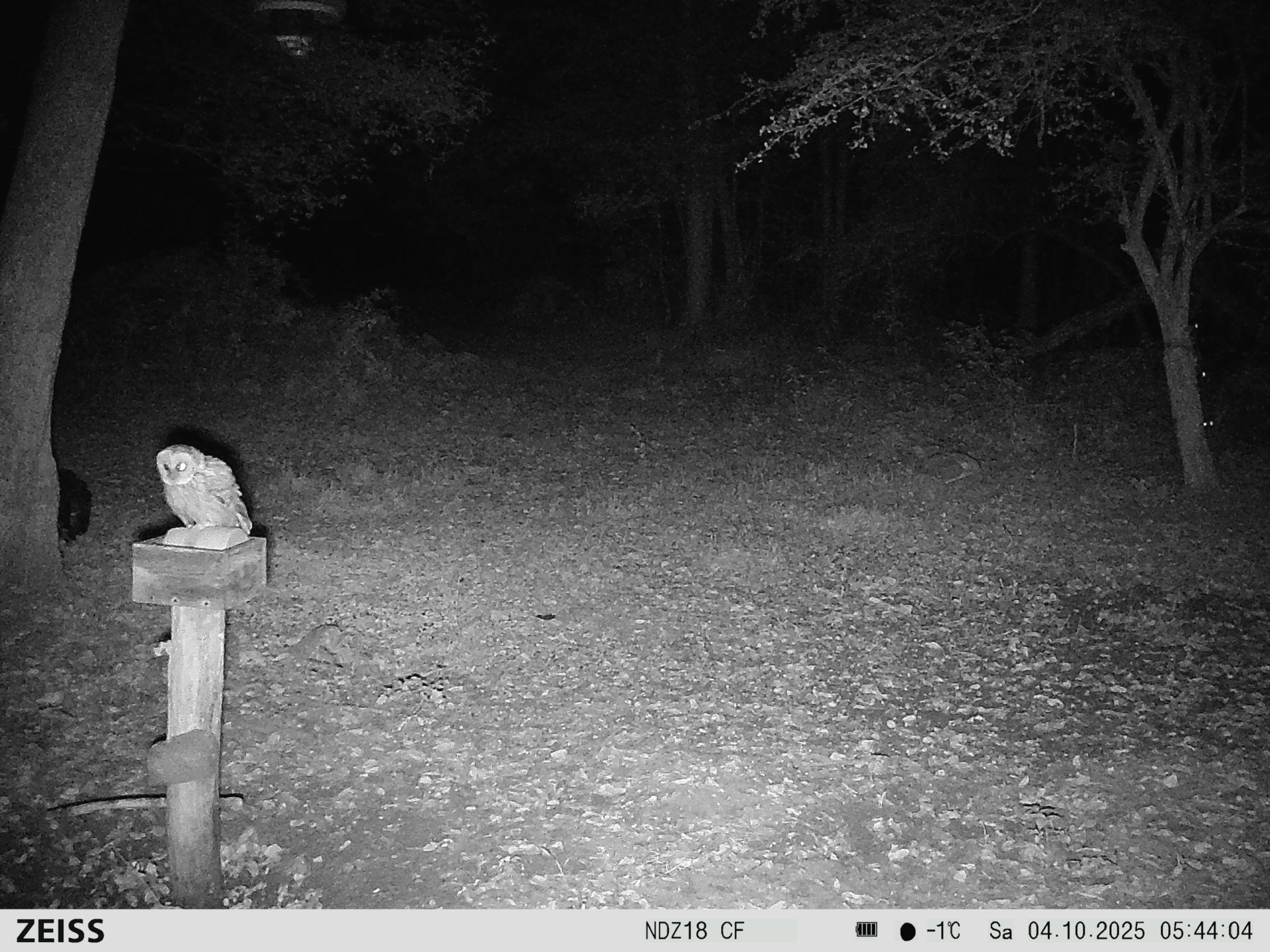
* Tawny owl (Strix aluco): may experience 2-3 times the prey density near feeders
* Long-eared owl (Asio otus): particularly favors habitats formed near open feeders
* Barn owl (Tyto alba): significant at feeders in agricultural surroundings
Diurnal predators:
* Common buzzard (Buteo buteo): a regular hunting ground
* Common kestrel (Falco tinnunculus): hunts by hovering above the area
Mammalian predators
Fur-bearing predators respond similarly to the increased prey base:
Small predators:
* Least weasel (Mustela nivalis): able to enter rodent burrows
* Stoat (Mustela erminea): a particularly effective hunter in winter
* European polecat (Mustela putorius): a nocturnal hunter with a varied prey spectrum
Medium-sized predators:
* Red fox (Vulpes vulpes): an opportunistic predator, quick to recognize the feeder as a hunting ground
* Eurasian badger (Meles meles): omnivorous, consuming both grain and rodents
* Stone marten (Martes foina): an agile, tree- and ground-dwelling predator
Structural elements of the micro-ecosystem
Spatial heterogeneity
Several distinct microhabitats form around the feeder:
1. Central zone: Open area where feeding takes place. Minimal vegetation, heavy trampling, compacted soil.
2. Transitional ring: Dense undergrowth, rich in nesting sites and hiding places, seed concentration in the soil.
3. Buffer zone: Gradual transition into the natural forest environment.
Complexity of food chains
At least 4-5 trophic levels can be identified in the system that forms around a feeder:
Level 1 (Producers):
* Anthropogenic-origin seeds
* Natural vegetation (roots, shoots, leaves)
Level 2 (Primary consumers):
* Small rodents
* Seed-eating birds (finches, thrushes)
* Big game (target population)
Level 3 (Secondary consumers):
* Small predators (mustelids)
* Small birds of prey
Level 4 (Apex predators):
* Owls
* Buzzards
* Fox
Detritus chain:
* Carrion beetles
* Soil-dwelling microorganisms
Temporal dynamics
The operation of the micro-ecosystem follows seasonal cycles:
Autumn-winter: Maximum activity, intensive feeding, highest rodent density, peak predator activity
Spring: Reproductive peak among rodents, large proportion of juveniles, predator nesting
Summer: Decreasing dependence on the feeder, natural food abundance, populations disperse
Ecological consequences and conservation considerations
Positive effects
1. Biodiversity hotspot: The feeder area sustains a higher species count and abundance
2. Predator support: Helps predator populations through the critical winter period
3. Genetic exchange: Facilitates encounters between individuals from different populations
4. Research opportunity: An ideal site for ecological studies
Potential negative effects
1. Disease transmission: High population density facilitates the spread of zoonoses (e.g. hantavirus)
2. Alteration of natural behavior: Development of dependence on anthropogenic food sources
3. Selective pressure: The natural selection of populations may change
4. Non-target effects: Favoring invasive species (e.g. golden jackal)
Management considerations
For optimal operation of feeders, the following factors should be considered:
Spatial arrangement:
* Minimum 300-500 meters between feeders
* Choosing a forest-edge but covered location
* Suitable approach routes
Timing:
* Gradual ramp-up from autumn
* Intensive feeding between December and March
* Gradual wind-down in spring
Hygiene:
* Regular cleaning (to prevent mold and infections)
* Removal of dead individuals
* Checking feed quality
Monitoring:
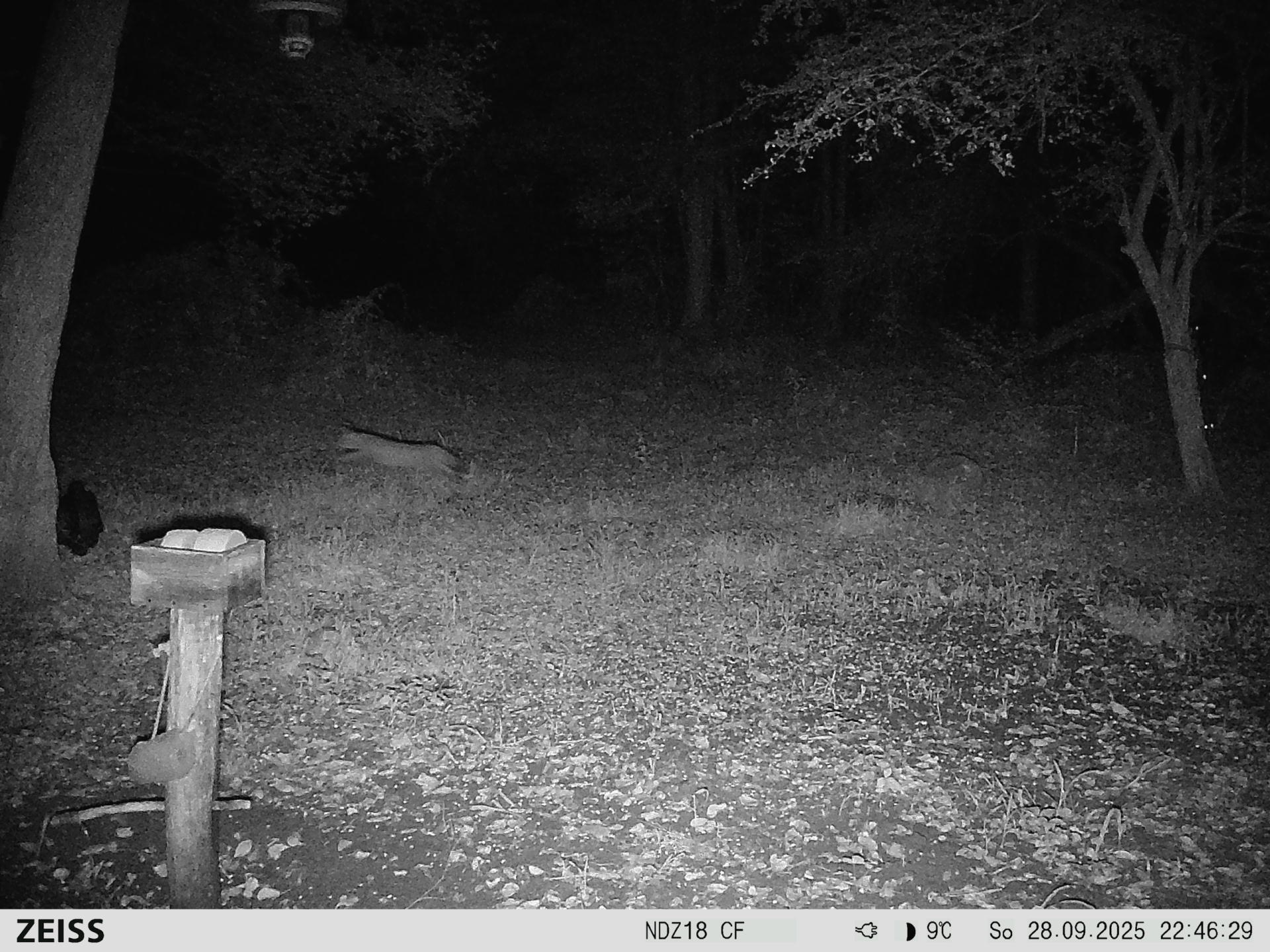
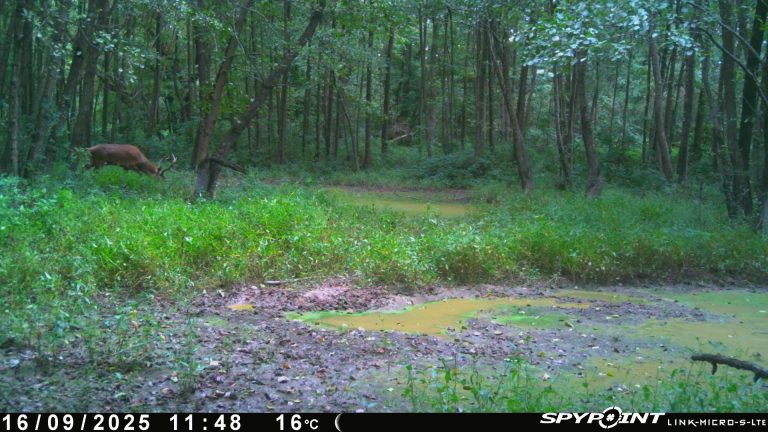
* Installing trail cameras
* Population estimates
* Tracking predator activity
The role of salt licks
The salt licks placed at feeders carry special significance:
Physiological function
* Replenishing sodium and other minerals
* Especially important for antler and horn growth
* Improving the condition of pregnant females
Ecological multiplier
The presence of salt further increases the area’s attractiveness:
* Longer time spent at the feeder
* More regular visits
* Appearance of more species (including birds)
Social hub
Social interactions develop around salt licks:
* Emergence of territorial behavior
* Manifestation of hierarchical relationships
* Exchange of information among game species
Case study: the Gemenc forests in Hungary
Monitoring research conducted on the grounds of Gemenc Forest Zrt. (2018-2023) showed that:
* Within a 50-meter radius of 15 active feeders, small mammal density was on average 4.2 times that of control areas
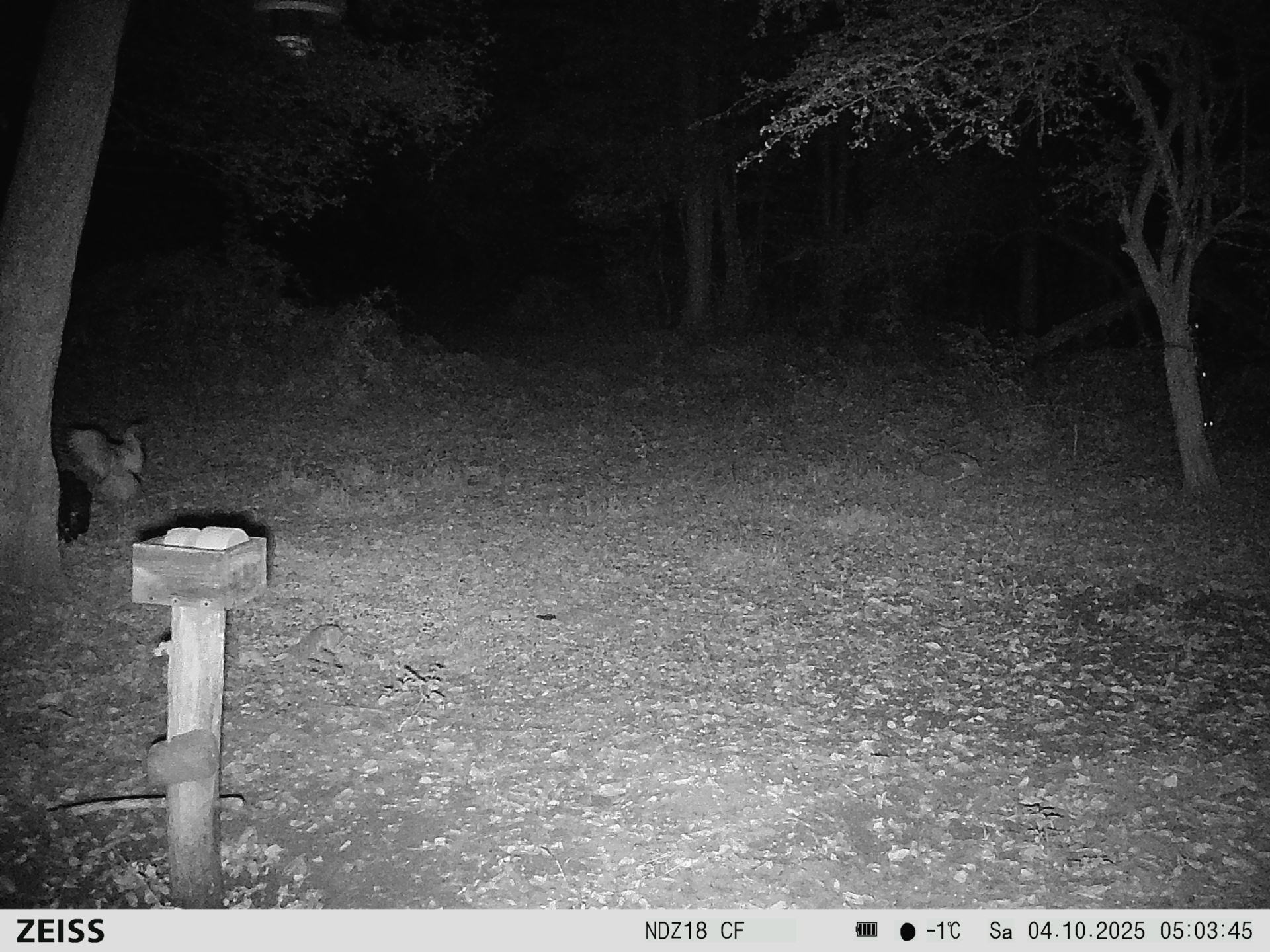
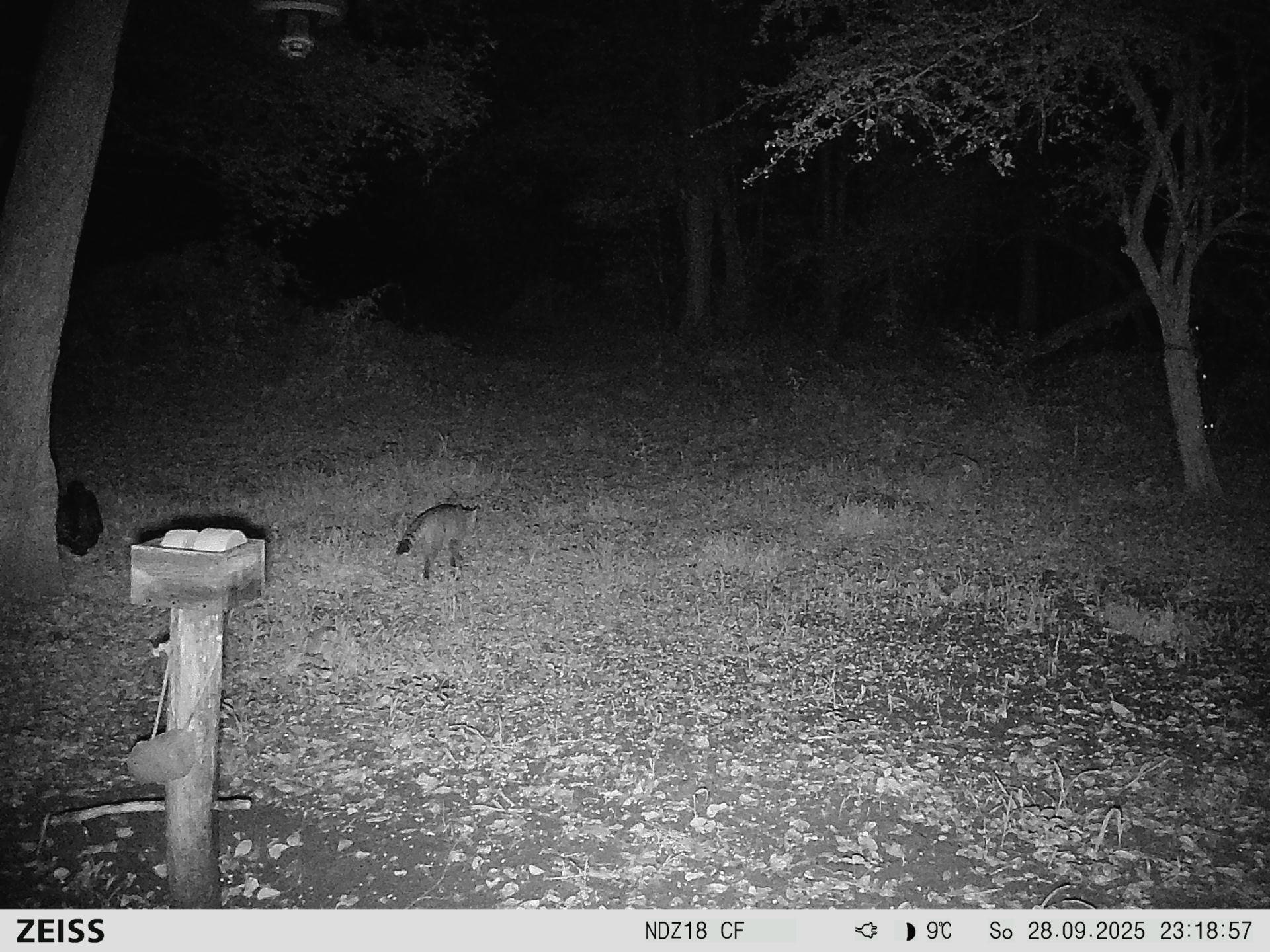
* Trail cameras documented 23 mammal species and 47 bird species around the feeders
* During the winter months, a single feeder supported an average of 8-12 red deer, 15-20 wild boar and countless small mammals
* Bird-of-prey activity was 60% higher within 100 meters of the feeders
Conclusion
Wildlife feeders go far beyond their original function of feeding big game. These facilities become the hubs of complex, multi-layered ecological systems that significantly influence the structure and functioning of the forest ecosystem. The trophic cascade – triggered by the explosive growth of the rodent population – offers a stable food base for numerous predator species, especially during the critical winter months.
Maximizing the ecological value of the micro-ecosystems sustained by feeders, and minimizing potential negative effects, requires a thorough scientific approach and adaptive management. Long-term monitoring, proper spatial arrangement, and professional operation can ensure that these facilities become tools not only of game management but also of nature conservation and biodiversity preservation.
References