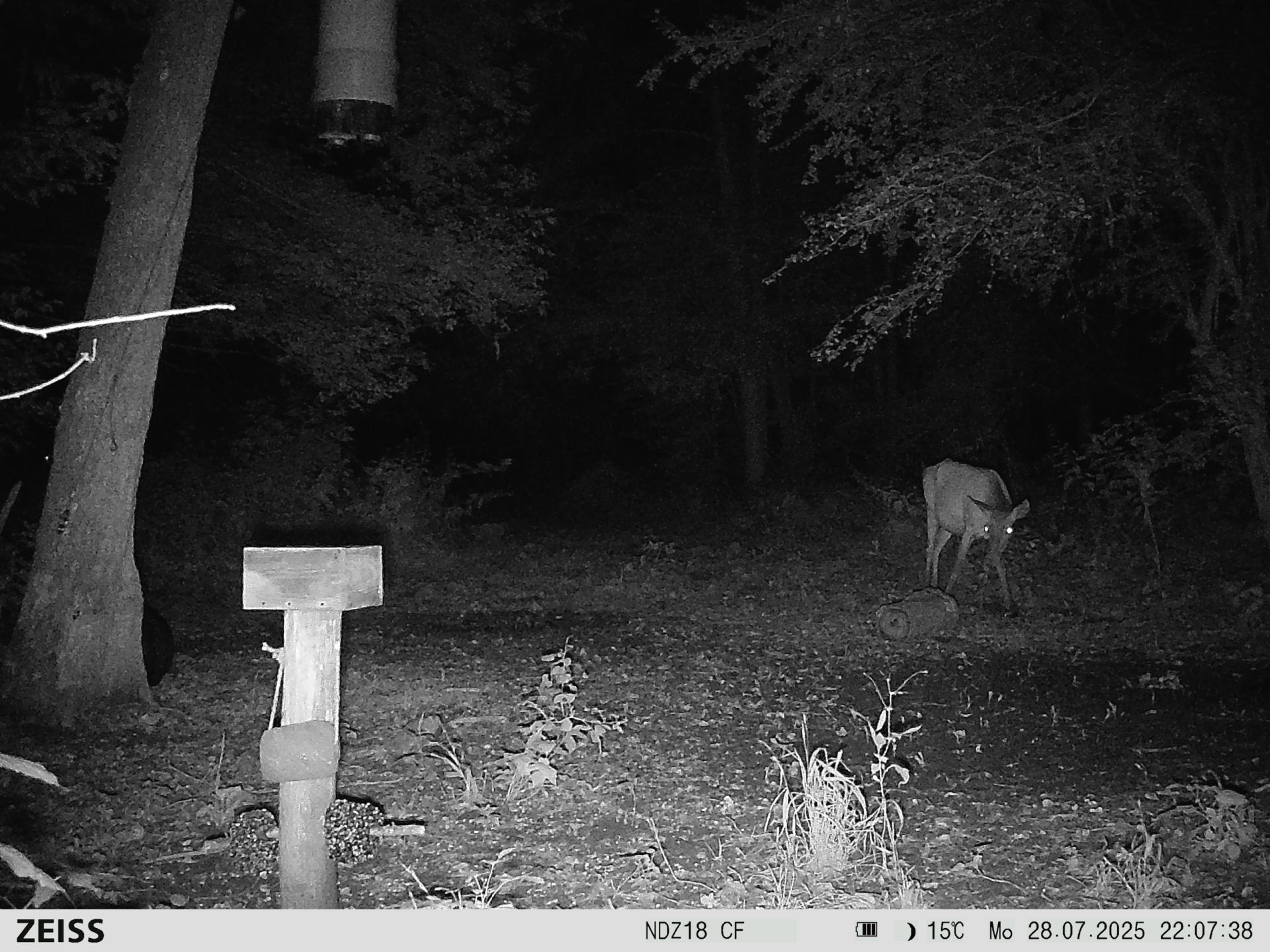
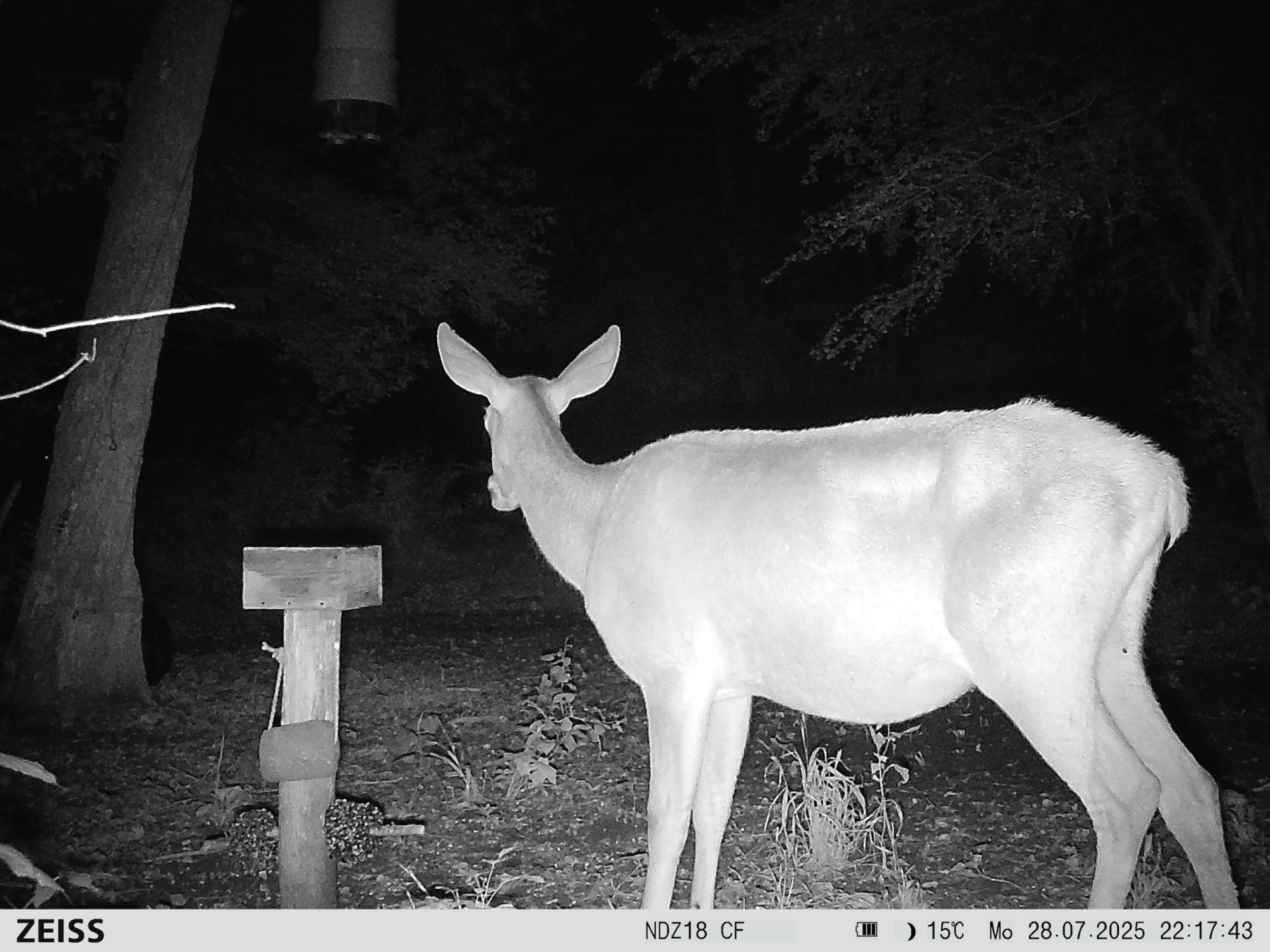
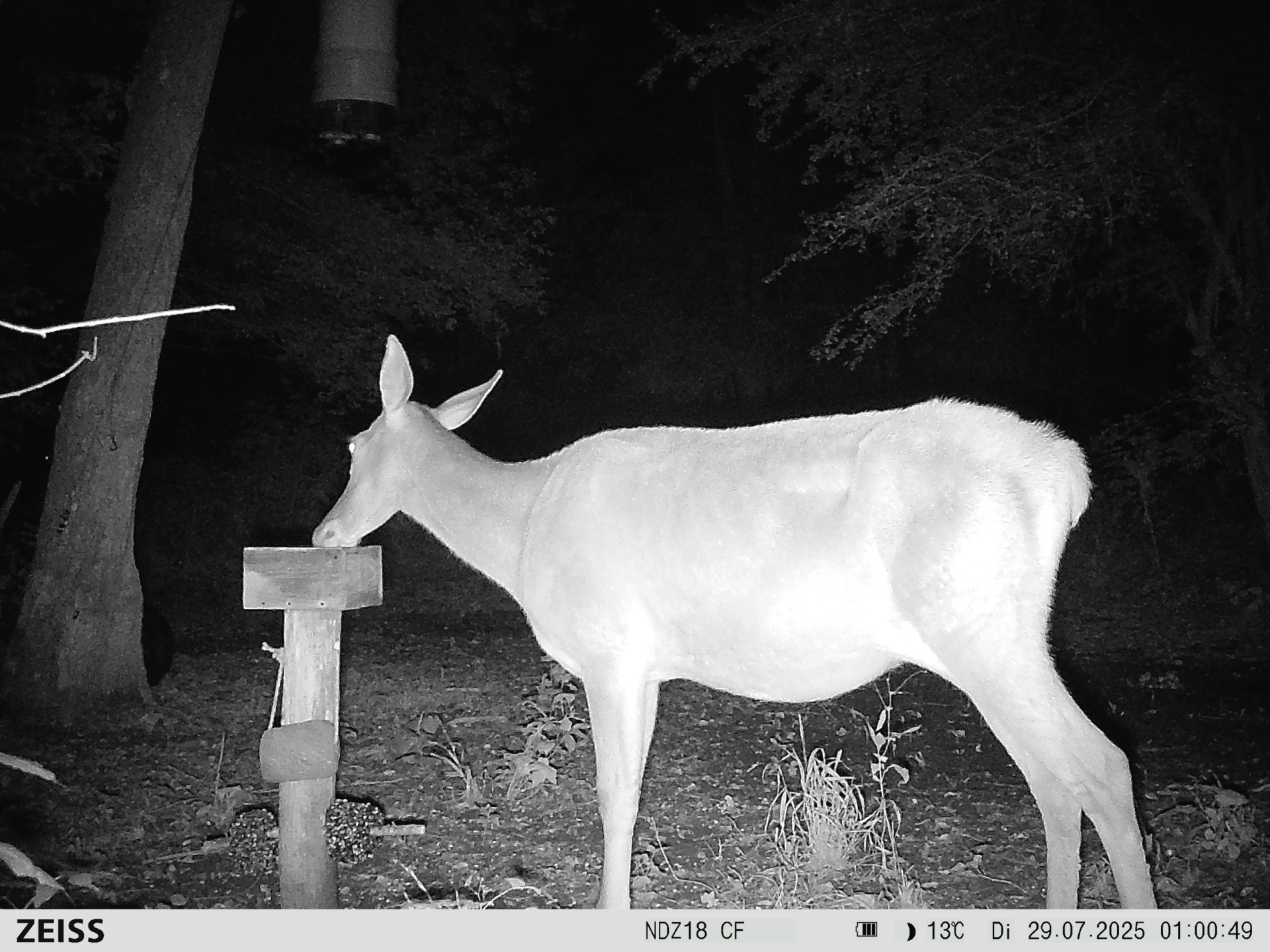
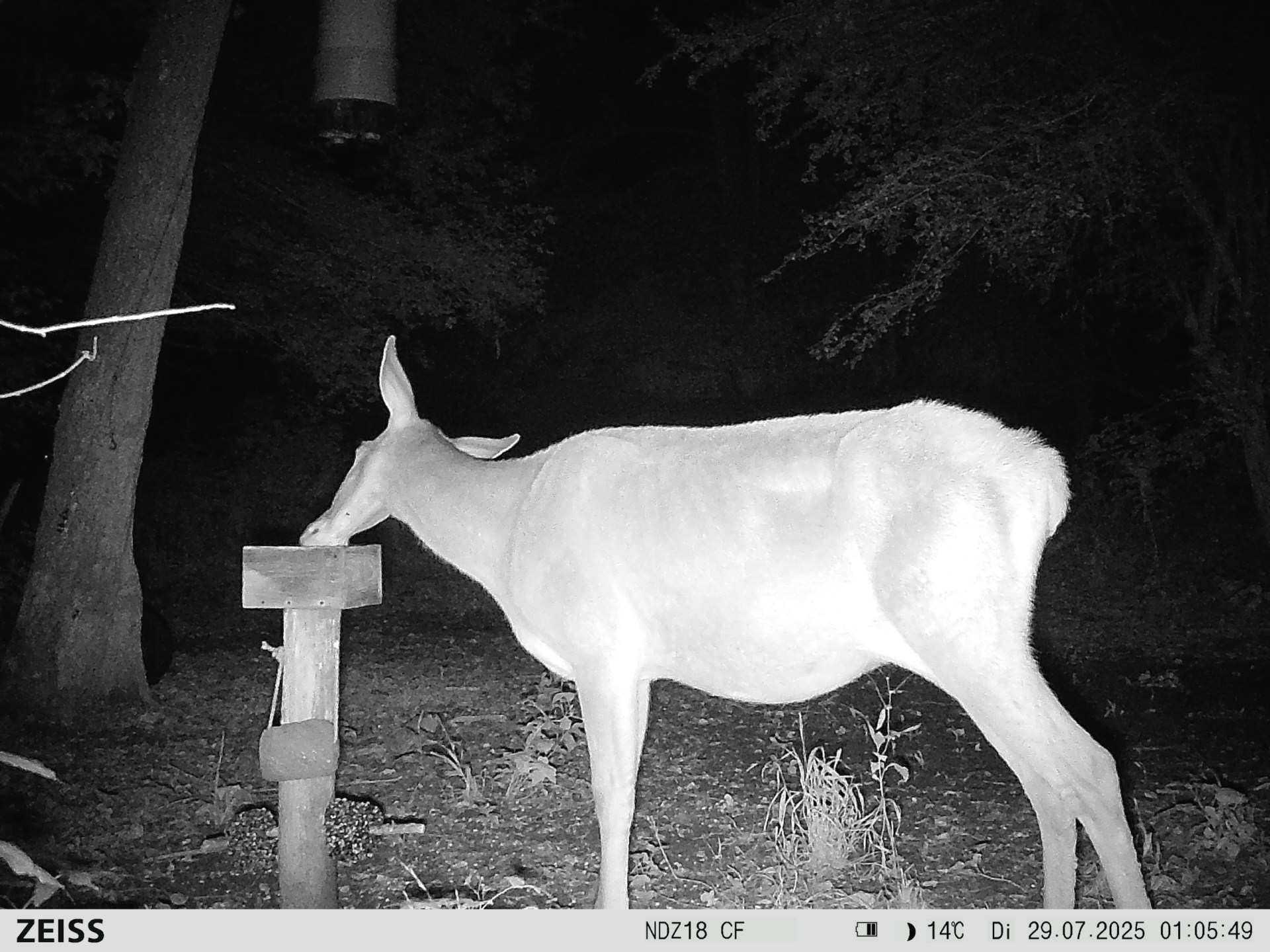
Why Deer Are Drawn to Herbal Mineral Licks: A Biological and Wildlife Management Perspective
Why Deer Are Drawn to Herbal Mineral Licks: A Biological and Wildlife Management Perspective
Cervids, especially red deer (Cervus elaphus), display remarkably sophisticated mineral-seeking behavior rooted in complex physiological needs and evolutionary adaptations.
Modern scientific research clearly demonstrates that minerals make up roughly 5% of a deer’s body mass and play a critical role in antler development, reproduction, immune function, and metabolic regulation.
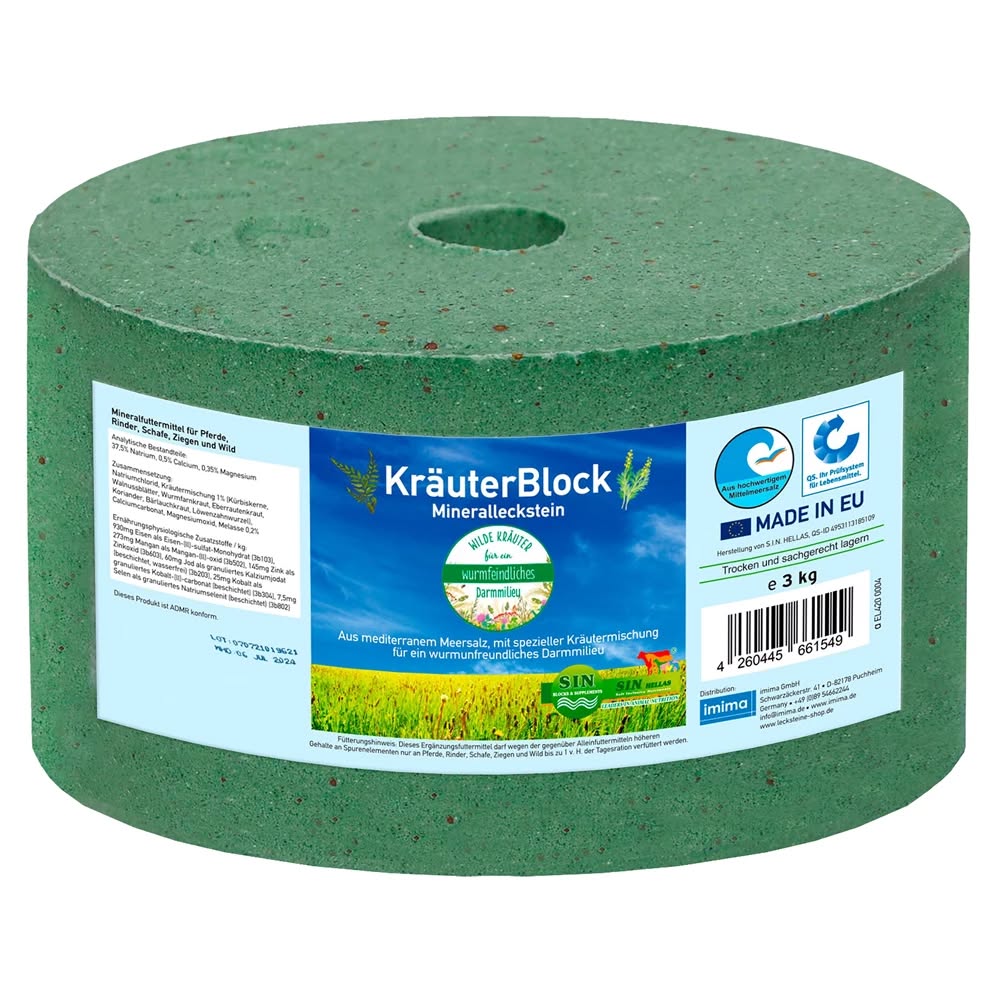
The mineral-herbal lick examined here offers a scientifically grounded combination of essential macro- and micronutrients along with bioactive plant compounds.
Its content of 37.5% sodium, 0.5% calcium, and 0.35% magnesium, supplemented with trace elements and an herbal blend, targets precisely the physiological needs that deer’s mineral-seeking mechanisms — honed over millions of years — recognize and actively seek out.
Mineral needs and physiological foundations of cervids
Macroelement requirements and their biological role
Deer’s mineral requirements are highly specific and closely tied to their unique anatomical and physiological traits.
According to research from Mississippi State University, 80-90% of the calcium and phosphorus in a deer’s body is found in the skeletal system, which explains the critical importance of these elements.
Calcium and phosphorus dynamics: Hardened antlers are 22% calcium and 11% phosphorus by mass, while growing antlers initially contain 80% protein before shifting to roughly equal proportions of protein and minerals.
This dynamic transformation requires a sophisticated "mineral banking" system, in which deer undergo controlled osteoporosis during antler growth, actively mobilizing calcium and phosphorus from their rib bones into the developing antlers.
The critical role of sodium:
Research shows that deer are physiologically sodium-deficient in spring and summer due to the high potassium and water content of green vegetation. This explains why they show such a strong attraction to salt-rich mineral supplements. Studies from the University of Tennessee found that high-sodium formulas generate four times as many visits as other mineral mixes.
Complex biological functions of trace elements
Iron and oxygen transport:
Iron is an essential component of hemoglobin and myoglobin, with 38% of the body’s total iron stored in muscle tissue. Iron deficiency leads to anemia and reduced oxygen-carrying capacity, which is especially critical for physically active stags.
Zinc and enzyme function: A cofactor for more than 100 enzyme systems, essential for collagen formation and wound healing. Research suggests that dietary zinc intake of up to 1000 ppm can support immune function and antler quality without causing toxicity.
The metabolic importance of copper:
Copper is a component of cytochrome oxidase and superoxide dismutase, and is required for the formation of elastin and collagen cross-links. It is the most common trace element deficiency among farmed deer, causing growth problems, reproductive disorders, and impaired immune function.
Selenium and the antioxidant system:
Selenium serves as a component of glutathione peroxidase enzymes and is critical for viral resistance and reproductive health. Its deficiency can cause "white muscle disease" in young animals and reduces protection against oxidative stress.
The appeal and biological effects of herbal components
Nutrient density of pumpkin seeds
Pumpkin seeds contain 25-37% protein and 37-45% healthy fats, along with valuable minerals: zinc, phosphorus, magnesium, and selenium. Research shows that deer digest pumpkin seeds easily, unlike hard nuts, and that they provide an excellent source of protein, essential fatty acids, and antioxidants.
Bioactive compounds in the herbs
Dandelion root — a nutrient bomb:
Extremely rich in vitamins A, B, C, D, and K (containing 25 times more vitamin A than tomato juice), as well as iron, calcium, magnesium, and potassium. It’s consumed by 33 wildlife species, including white-tailed deer. Its inulin acts as a prebiotic fiber that supports the gut microbiome.
Wild garlic’s sulfur compounds:
Allicin and other bioactive sulfur compounds have antimicrobial and anti-inflammatory effects. Research indicates that garlic preparations can reduce methane emissions in ruminants and exert antiparasitic effects.
Coriander’s aromatic appeal:
Contains a high concentration of linalool along with flavonoids. Studies show it improves growth performance and stimulates appetite. Its essential oils may have appetite-enhancing properties.
Rue as a natural dewormer:
Contains rutin, coumarins, and alkaloids, and has traditionally been used as an anthelmintic (deworming) agent. It has anti-inflammatory and analgesic properties.
Complex attraction mechanisms
The herbal blend creates a multilayered scent profile that piques deer’s interest through aromas both familiar (dandelion, pumpkin seed) and novel (the spice mix).
The high-quality proteins, fats, and minerals in pumpkin seeds and dandelion provide exactly the kind of nutrient density that deer instinctively seek out.
Seasonal mineral needs and physiological cycles
Mineral dynamics of the antler growth cycle
Deer show dramatic seasonal shifts in mineral needs, driven by antler development, the reproductive cycle, and lactation demands. Research shows that mineral-seeking behavior peaks from February through September.
Antler growth rates:
Antlers grow at an average rate of 1.95 cm per week, and up to 1.2 cm per day under optimal conditions, during the 70-day peak growth period. Red deer antlers show "the fastest known growth rate of any bone tissue."
Mineral mobilization mechanism:
During peak antler development, 25g of calcium and 12g of phosphorus are mobilized daily from the skeleton into the growing antlers.
This process creates a cyclical demand pattern that explains the seasonal nature of mineral-seeking behavior.
Mineral requirements of the reproductive cycle
Gestation phase (September-May):
Increased need for calcium and phosphorus to support fetal skeletal development. Maternal physiology mobilizes calcium from the skeleton to meet fetal demands.
Lactation phase (May-August):
Calcium requirements triple to support milk production. Magnesium is essential for proper milk composition. Research shows that mineral deficiency during lactation reduces milk yield and calf survival.
Rutting period (September-November):
Stags experience mineral depletion after the rut, with body condition and mineral reserves declining due to reduced feeding during mating activity.
Documented seasonal deficiencies
Spring/summer sodium deficiency:
High-potassium green vegetation causes a physiologically induced sodium deficiency, creating a compelling drive to seek out mineral licks.
Phosphorus limitations:
According to Mississippi State University research, soil phosphorus content is the best predictor of deer body size. Forage typically contains less than 0.21% phosphorus on a dry-matter basis.
Wildlife management considerations and scientific findings
Effectiveness of controlled research findings
The scientific literature shows mixed evidence regarding the effectiveness of mineral supplementation.
A 4-year controlled study by Auburn University found no measurable differences between supplemented and unsupplemented deer herds when both groups received a nutritionally complete diet.
By contrast, a 1950s Penn State University study found differences in yearling stag antler development, but only under nutritionally deficient conditions. When the same deer were examined at 2.5 years of age, no differences remained between the groups.
Optimal supplementation strategies
Attraction hierarchy: According to University of Tennessee research, high-sodium formulas generate 9.86 visits per day, compared to just ~2.0 visits for other formulas — a fourfold difference in appeal.
Timing recommendations: Research supports mineral supplementation during:
1. Late winter/early spring (February-April): Preparation for antler growth
2. Peak growth season (May-August): Maximum antler development and lactation demands
3. Post-weaning period (August-September): Doe recovery and stag antler hardening
Disease transmission risks
USGS Greater Yellowstone Ecosystem research points out that mineral licks can be potential hotspots for disease transmission, particularly for chronic wasting disease (CWD). No other single point-specific location in an animal’s habitat receives as much traffic from different individuals.
Evolutionary foundations of natural mineral-seeking behavior
Evolutionary adaptations and selective pressure
Mineral-seeking behavior in deer evolved as a key adaptation to mineral-poor environments. Research shows that mineral licks function as "keystone resources" in terrestrial ecosystems worldwide, playing an especially important role in tropical rainforests and grasslands, where nutrient availability is typically poor.
Chemoreceptor systems:
Deer employ sophisticated chemosensory systems to detect minerals. Research shows they can distinguish between different essential minerals based on physiological need, not merely taste preference.
Natural mineral licks and geological deposits
According to Rocky Mountain National Park research, deer most frequently visit moist, low-elevation licks with relatively high manganese and sodium concentrations.
Researchers believe the manganese association is a byproduct of deer primarily seeking supplemental sodium intake.
Space-use patterns: GPS collar studies show that mineral lick locations significantly influence deer movement patterns and habitat use, making them a critical component of territory utilization.
Social and ecological roles
Mineral licks serve as important social gathering points where courtship behaviors occur and reproductive success increases. Research at China’s Anzihe Nature Reserve documented courtship and mating behavior of various cervid species at mineral licks.
Ecosystem engineering role:
Deer activity at mineral licks alters the physical and chemical properties of the soil and its microbial communities through trampling, grazing, and defecation, effectively making deer ecosystem engineers.
Conclusions and practical application
The scientific evidence clearly supports the idea that cervids’ attraction to herbal mineral licks is rooted in complex physiological needs and evolutionary adaptations.
The scientifically grounded composition of the formula examined here contains precisely the critical minerals and bioactive components that deer’s sophisticated mineral-seeking mechanisms recognize and actively pursue.
Mechanisms behind the biological appeal:
• Recognition of physiological need: The high sodium content addresses the spring/summer sodium deficiency
• Support for antler development: The calcium-phosphorus ratio matches the mineral composition of antlers
• Aromatic complexity: The herbal blend provides a multilayered scent profile
• Nutrient-density signaling: Pumpkin seeds and dandelion supply high-quality proteins and vitamins
The optimal application strategy aligns with seasonal physiological needs: February-April for antler-growth preparation, May-August for peak development and lactation demands, and August-September for the recovery period.
This science-based approach maximizes biological effectiveness while supporting the natural behavioral patterns and physiological cycles of cervids.
Cited studies and sources, literature used:
Academic research and university publications
1. University of Missouri Extension Service – "Nutritional Requirements of White-tailed Deer in Missouri"
◦ https://extension.missouri.edu/publications/g9487
2. Mississippi State University Deer Ecology and Management Lab – "Nutrition & Genetics"
◦ https://www.msudeer.msstate.edu/nutrition-and-genetics.php
3. Mississippi State University Extension Service – "The Role of Genetics and Nutrition in Deer Management"
◦ http://extension.msstate.edu/publications/the-role-genetics-and-nutrition-deer-management
4. University of Tennessee Department of Forestry, Wildlife and Fisheries – "Mineral article TN Academy of Science"
◦ https://fwf.tennessee.edu/wp-content/uploads/sites/24/2020/07/Mineral-article-TN-Academy-of-Science.pdf
5. Canadian Science Publishing – "Effects of supplementation with different levels of calcium and phosphorus on mineral content of first antler, bone, muscle, and liver of farmed fallow deer"
◦ https://cdnsciencepub.com/doi/10.1139/cjas-2018-0234
Scientific journals and peer-reviewed publications
6. ScienceDirect – "Effect of dietary copper and zinc concentrations on white-tailed deer antler growth, body size, and immune system function"
◦ https://www.sciencedirect.com/science/article/abs/pii/S0921448806003415
7. PubMed – "Select tissue mineral concentrations and chronic wasting disease status in mule deer from North-central Colorado"
◦ https://pubmed.ncbi.nlm.nih.gov/20688718/
8. PubMed Central – "Salt craving: The psychobiology of pathogenic sodium intake"
◦ https://pmc.ncbi.nlm.nih.gov/articles/PMC2491403/
9. ScienceDirect – "Salt craving: The psychobiology of pathogenic sodium intake"
◦ https://www.sciencedirect.com/science/article/abs/pii/S0031938408001054
10. PubMed – "Can Iberian red deer (Cervus elaphus hispanicus) discriminate among essential minerals in their diet?"
◦ https://pubmed.ncbi.nlm.nih.gov/19860987/
11. PLOS One – "Mineral licks as environmental reservoirs of chronic wasting disease prions"
◦ https://journals.plos.org/plosone/article?id=10.1371/journal.pone.0196745
12. PubMed – "Mineral licks as environmental reservoirs of chronic wasting disease prions"
◦ https://pubmed.ncbi.nlm.nih.gov/29719000/
13. Springer – "Mineral licks: motivational factors for visitation and accompanying disease risk at communal use sites of elk and deer"
◦ https://link.springer.com/article/10.1007/s10653-014-9600-0
14. University of Nebraska-Lincoln – "Mineral licks: motivational factors for visitation and accompanying disease risk at communal use sites of elk and deer"
◦ https://digitalcommons.unl.edu/icwdm_usdanwrc/1704/
15. PubMed – "Mineral licks: motivational factors for visitation and accompanying disease risk at communal use sites of elk and deer"
◦ https://pubmed.ncbi.nlm.nih.gov/24711146/
16. Wiley Online Library – "Mineral Licks: An Overlooked Model System for Species Interactions"
◦ https://onlinelibrary.wiley.com/doi/10.1111/btp.70003?af=R
17. SPJ Science – "Ecological significance and risks of mineral licks to mammals in a nature reserve on the Eastern Qinghai-Tibet Plateau"
◦ https://spj.science.org/doi/10.1080/20964129.2022.2052764
18. PubMed – "The role of large mammalian herbivores in shaping and maintaining soil microbial communities of natural mineral licks"
◦ https://pubmed.ncbi.nlm.nih.gov/38304274/
Government and research institute sources
19. US Geological Survey (USGS) – "The influence of natural mineral licks on wildlife disease dynamics"
◦ https://www.usgs.gov/centers/norock/science/influence-natural-mineral-licks-wildlife-disease-dynamics
20. NCBI/NIH – "Trace Element Supplementation of Livestock in New Zealand: Meeting the Challenges of Free-Range Grazing Systems"
◦ https://www.ncbi.nlm.nih.gov/pmc/articles/PMC3539419/
21. PubMed Central – "Molecular Principles of Insect Chemoreception"
◦ https://pmc.ncbi.nlm.nih.gov/articles/PMC7604898/
Professional organizations and wildlife management associations
22. National Deer Association – "Minerals for Whitetails"
◦ https://deerassociation.com/minerals-for-whitetails/
23. Deer New Zealand – "Trace element deficiencies"
◦ https://www.deernz.org/deer-hub/health/major-issues/trace-element-deficiencies/
24. MSD Veterinary Manual – "Nutritional Requirements of Dairy Cattle"
◦ https://www.msdvetmanual.com/management-and-nutrition/nutrition-dairy-cattle/nutritional-requirements-of-dairy-cattle
Commercial research sources and blogs
25. Redmond Hunt – "Importance of minerals in deer herd management"
◦ https://blog.redmondhunt.com/importance-of-minerals-in-deer-herd-management
26. Redmond Hunt – "Seasonal Deer Food Sources & Mineral Schedule"
◦ https://blog.redmondhunt.com/seasonal-deer-food-source-mineral-schedule
Herbal and phytochemical research
27. ScienceDirect – "Potential use of garlic products in ruminant feeding: A review"
◦ https://www.sciencedirect.com/science/article/pii/S2405654523000847
28. Nature Scientific Reports – "Analysis of the phytochemicals of Coriandrum sativum and Cichorium intybus aqueous extracts and their biological effects"
◦ https://www.nature.com/articles/s41598-022-10329-2
29. ScienceDirect Topics – "Coriander Seed – an overview"
◦ https://www.sciencedirect.com/topics/agricultural-and-biological-sciences/coriander-seed
30. University of Texas at El Paso – "Rue – Herbal Safety"
◦ https://www.utep.edu/herbal-safety/herbal-facts/herbal%20facts%20sheet/rue.html
31. HerbaZest – "Rue medicinal properties"
◦ https://www.herbazest.com/herbs/rue
32. Tua Saúde – "Rue: Health Benefits, How to Make Rue Tea & Side Effects"
◦ https://www.tuasaude.com/en/rue-plant/
33. Allfit Well – "Dandelion Root Benefits: Top 8 Healing Properties"
◦ https://www.allfitwell.com/dandelion-root-benefits/
Professional forums and community sources
34. Iowa Whitetail Forums – "Mineral Supplement Questions"
◦ https://iowawhitetail.com/community/threads/mineral-supplement-questions.9837/
35. EBSCO Research Starters – "Chemoreception"
◦ https://www.ebsco.com/research-starters/health-and-medicine/chemoreception
Encyclopedic sources
36. Wikipedia – "Deer – General Biology and Ecology"
◦ https://en.wikipedia.org/wiki/Deer