Increased Game Movement Following Summer Thunderstorms
Increased Game Movement Following Summer Thunderstorms
Summary
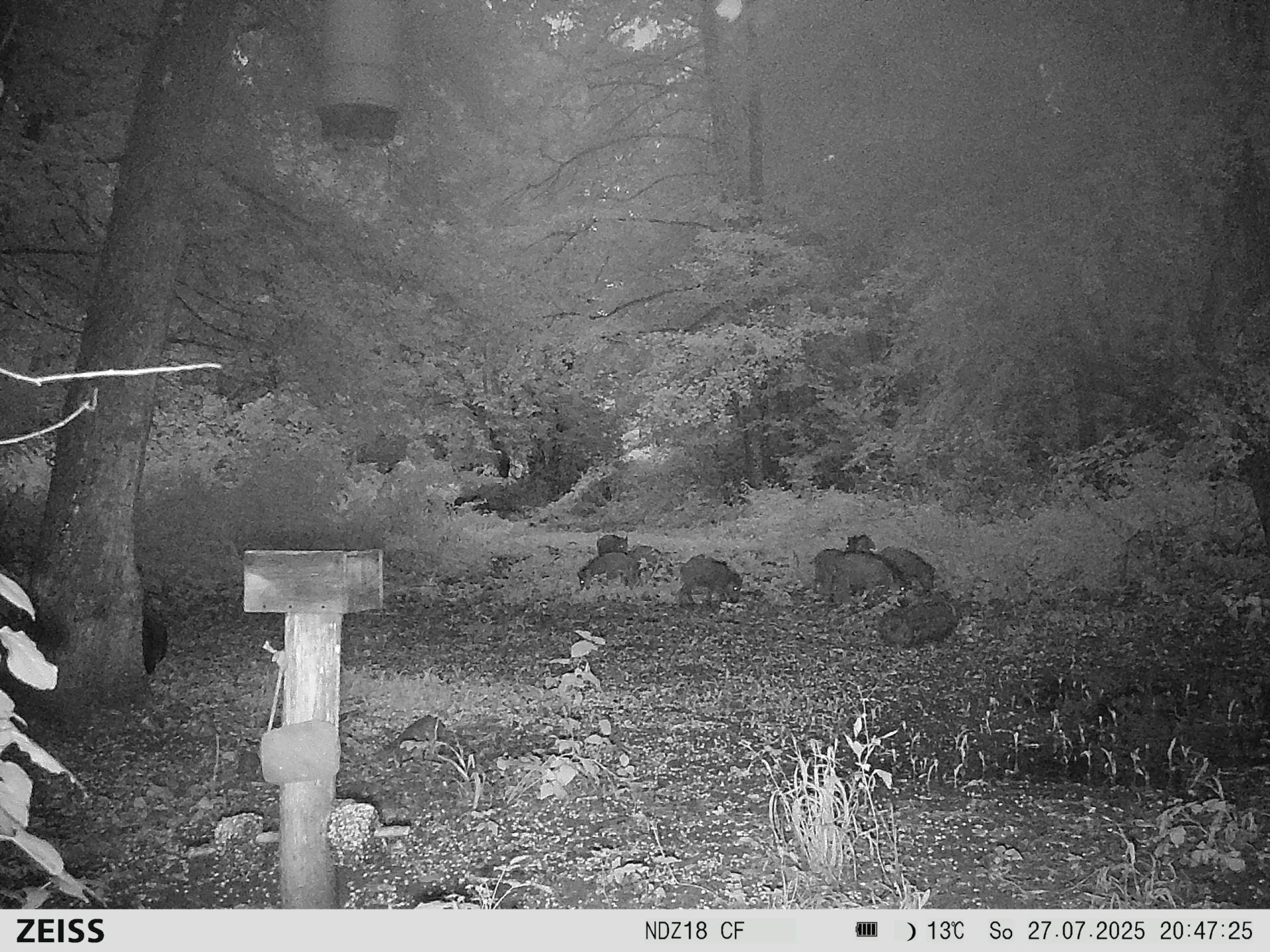
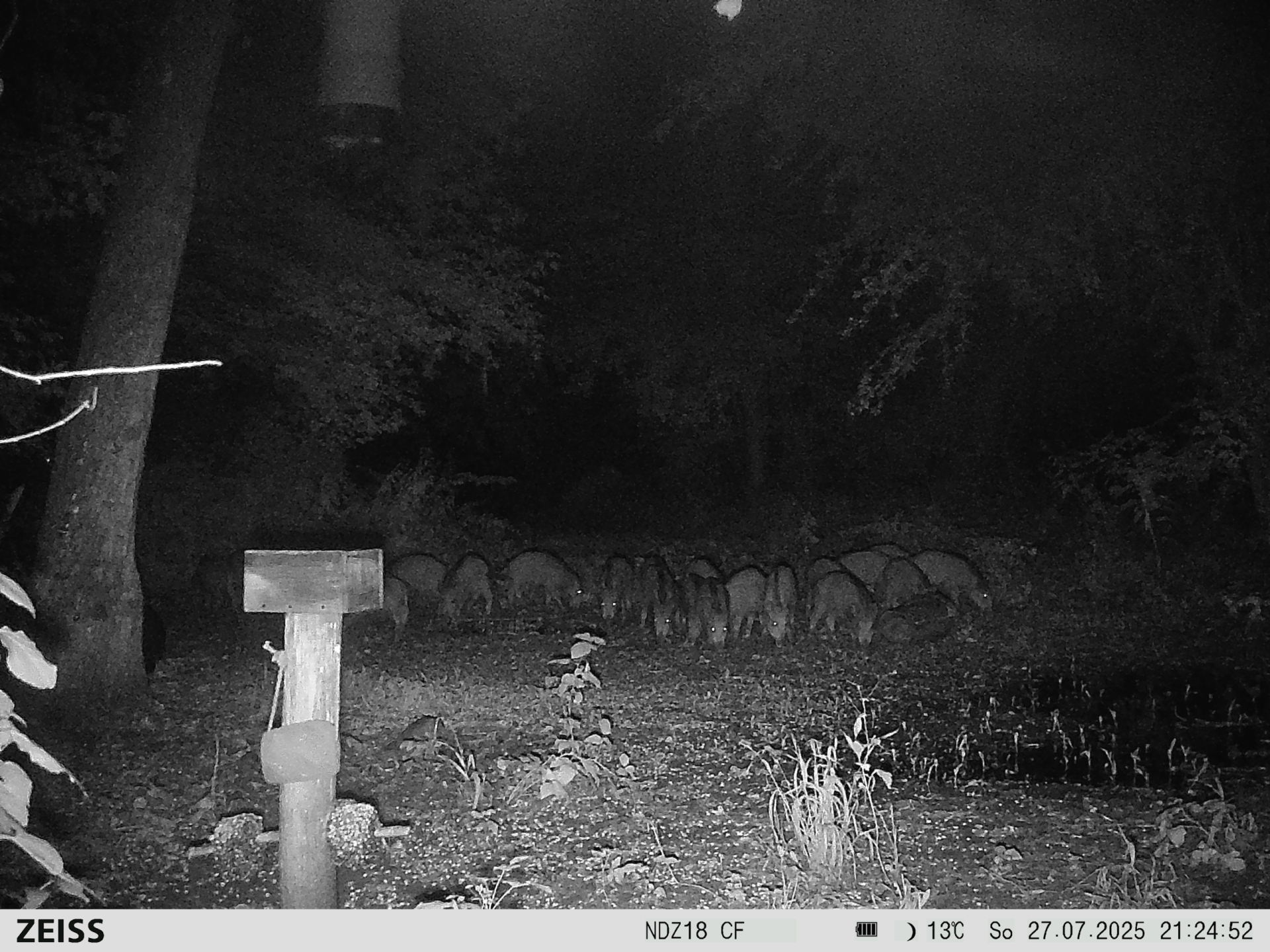
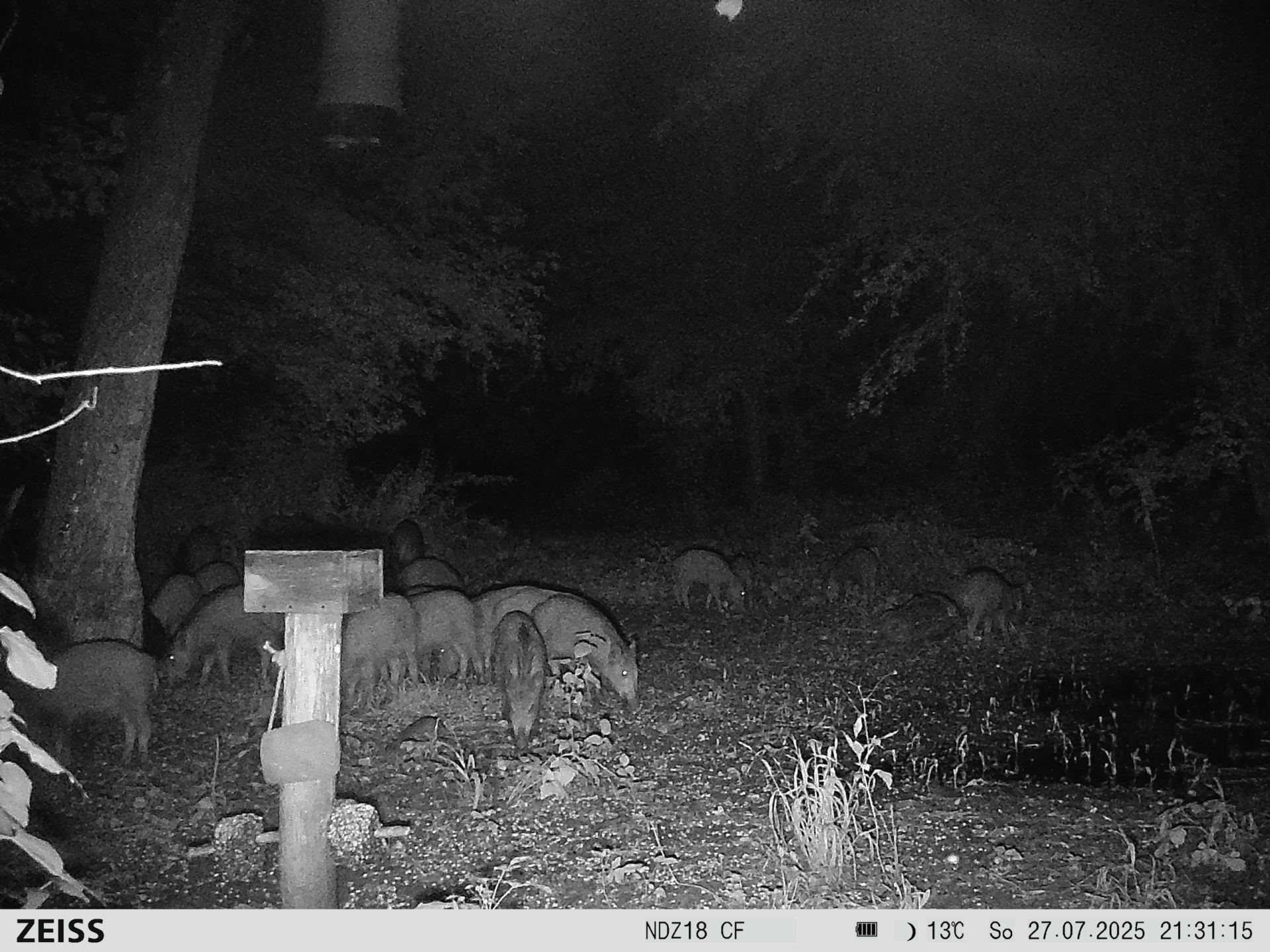
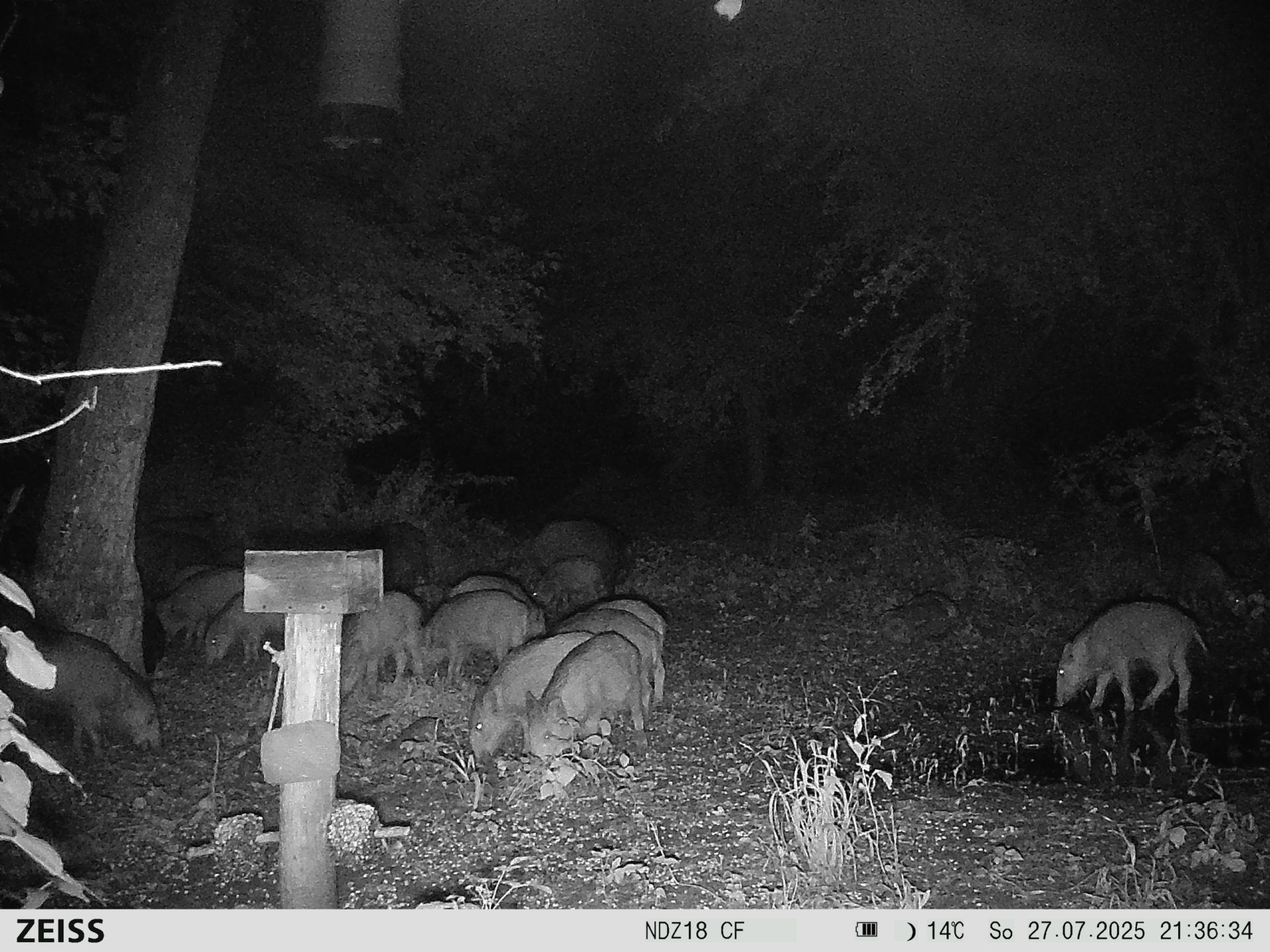
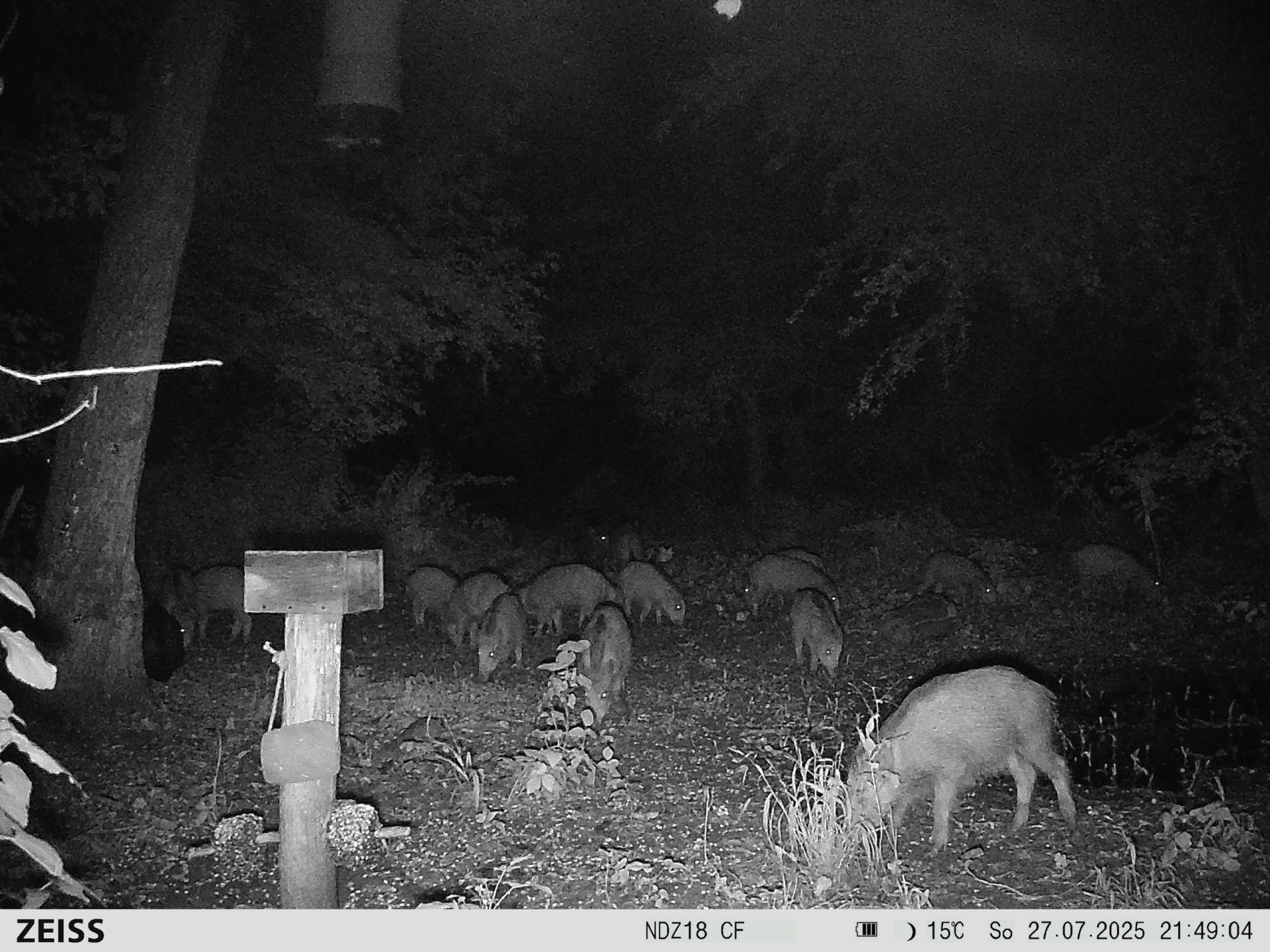
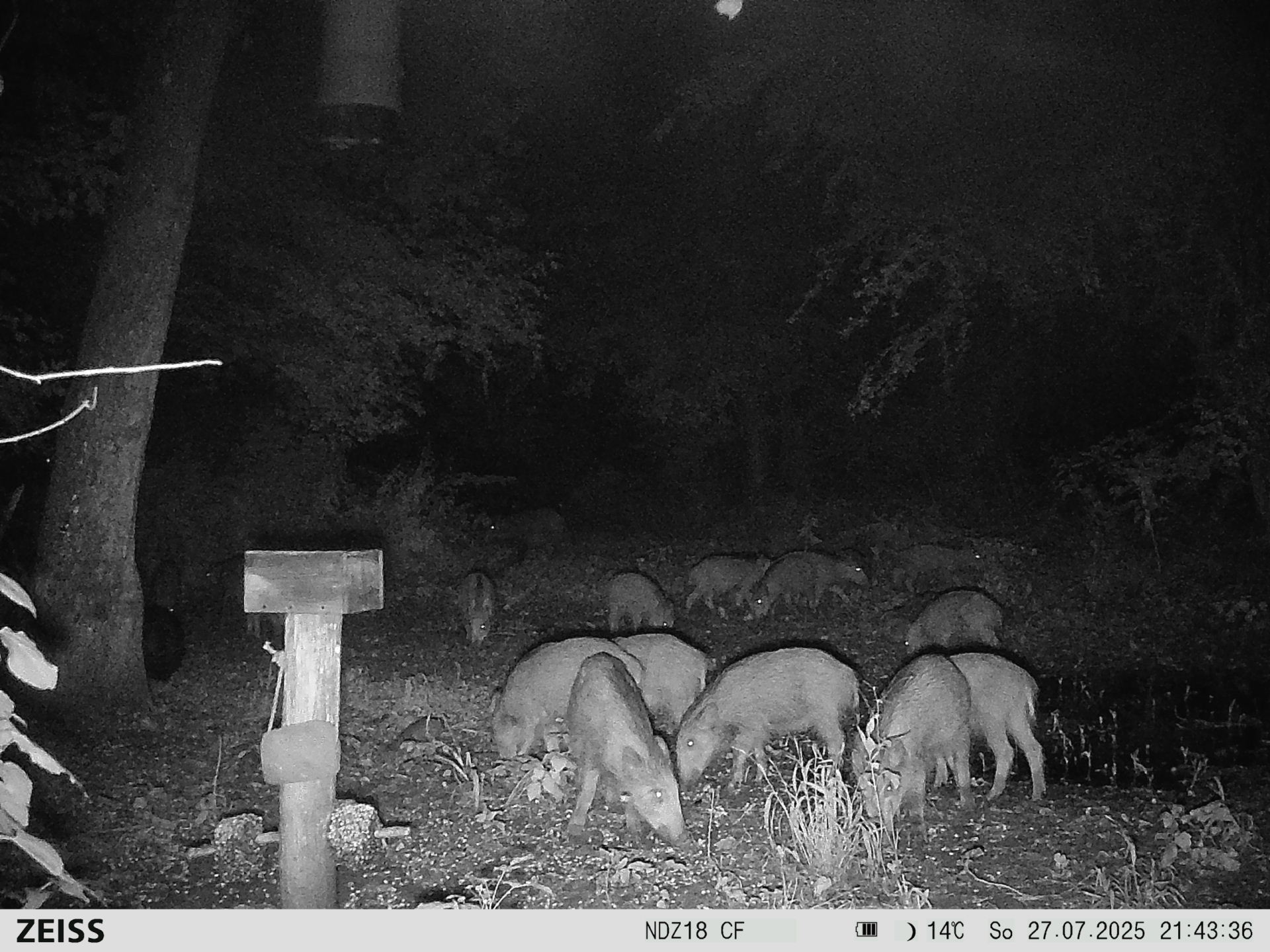
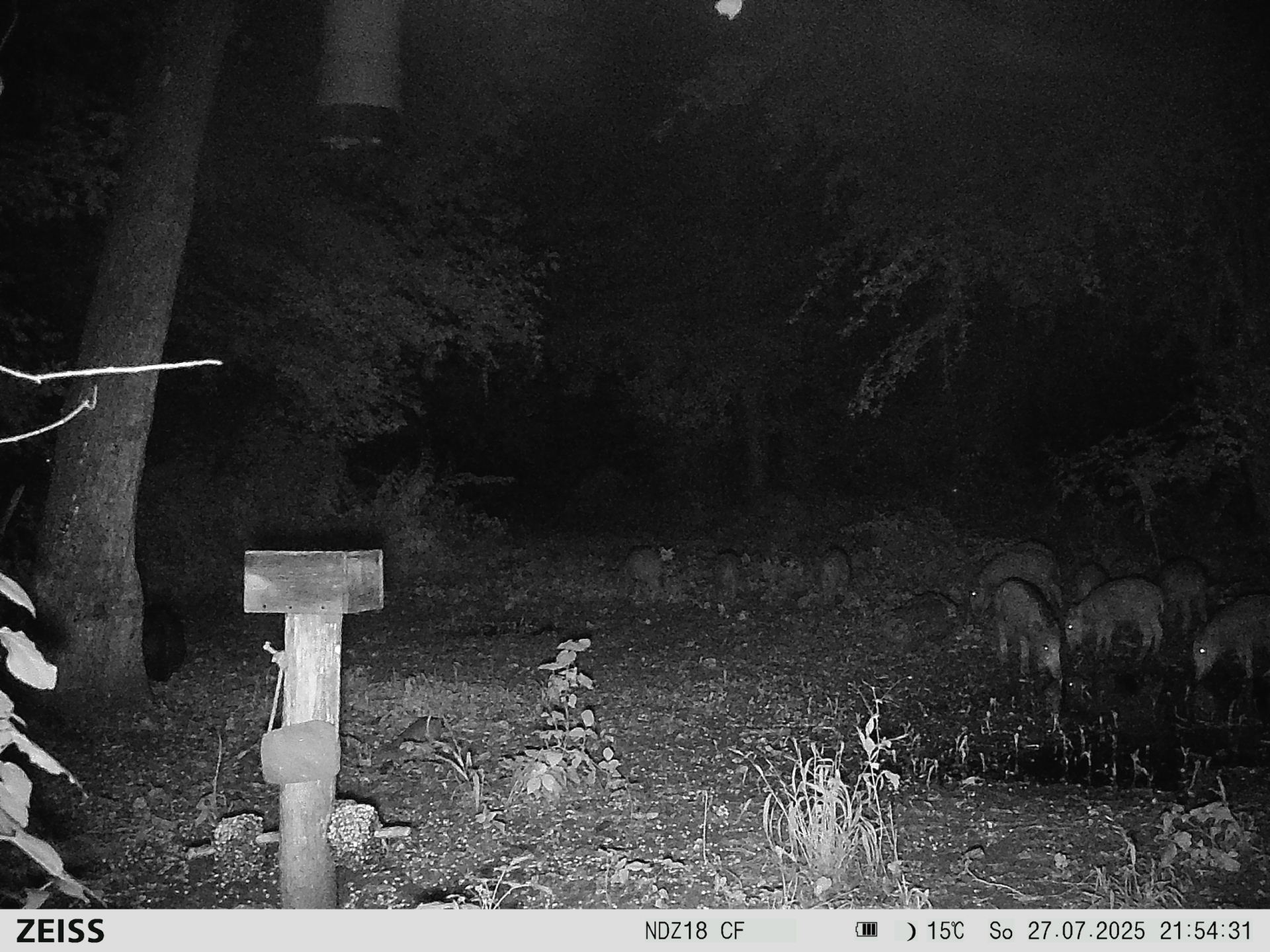
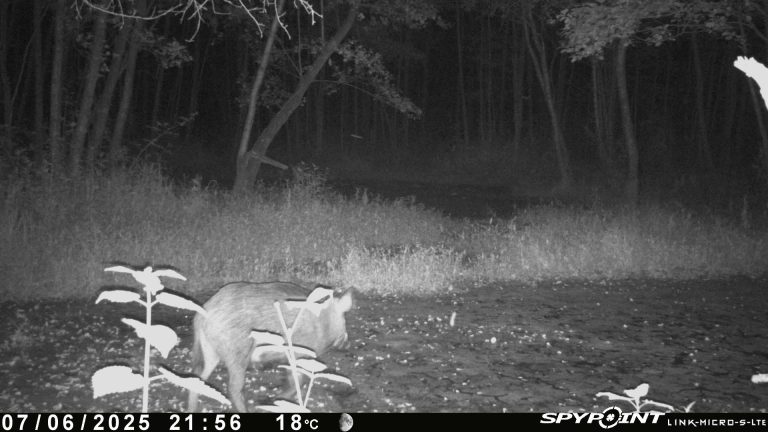
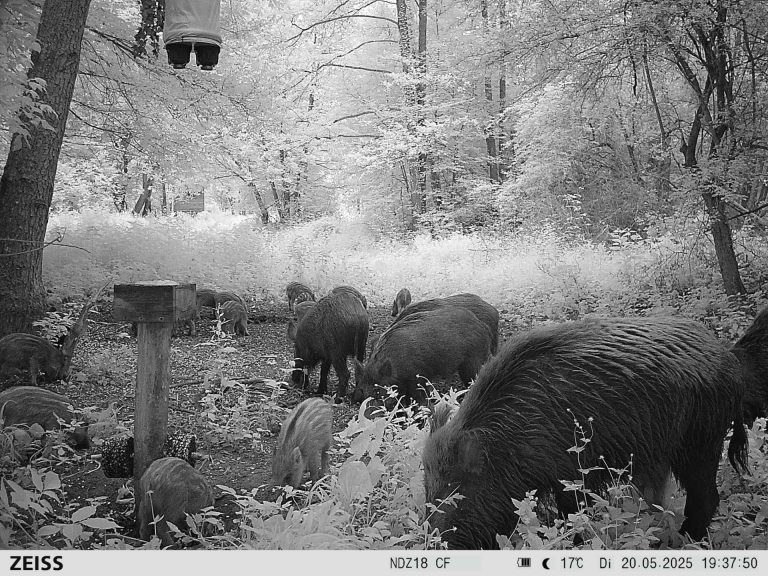
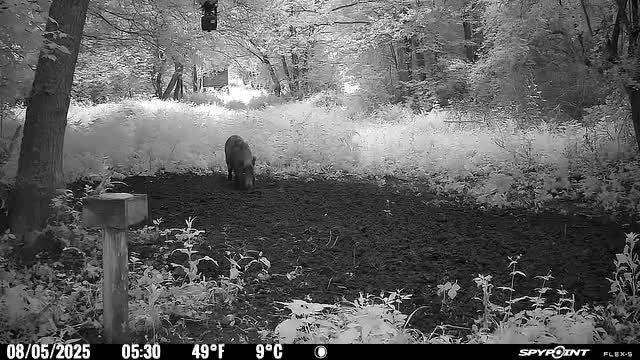
The increase in game movement observed after summer showers and thunderstorms, particularly in wild boar, is the result of a combined effect of complex ecological, physiological, and behavioral factors.
The phenomenon is not rooted in a fundamental increase in the animals’ energy needs, but rather in the more favorable environmental conditions created by rainfall, which allow the existing energy demand to be met more efficiently and safely.
1. Introduction
As an opportunistic omnivore, the wild boar (Sus scrofa) possesses excellent adaptive capacity to changing environmental conditions. Increased activity following summer rainy periods is an evolutionarily advantageous behavioral pattern that optimizes food intake and energy management.
2. The Scientific Background of the Phenomenon
2.1 Soil Condition Changes and Food Accessibility
Mechanical effects:
* Rainfall significantly loosens and softens the topsoil layer
* The energy cost of rooting drops drastically
* A larger area can be explored in a shorter time
Biotic activation:
* Soil-dwelling invertebrates (earthworms, insect larvae, pupae) come to the surface
* Moisture activates these animals
* A significant protein source becomes more easily accessible
Chemical changes:
* Moist soil conducts scent molecules better
* Wild boars’ well-developed chemoreceptors detect food more efficiently
* The concentration of volatile compounds increases
2.2 Microclimatic Optimization
Temperature regulation:
* Thunderstorms cool the air and increase relative humidity
* Heat-stress load on large-bodied, densely-furred animals decreases significantly
* Energy is freed up from thermoregulation for foraging instead
Improvement of water balance:
* Transpiration losses decrease
* The amount of water taken in along with food increases
* The energy cost of trips to drinking sites decreases
2.3 Diversification of Food Sources
Fungi and plant parts:
* The warm, humid environment is ideal for the development of mycorrhizal fungi
* The moisture content of plant roots and tubers increases
* Fresh shoots and fruiting bodies appear
Increased insect activity:
* The activity of many insect species increases after showers
* Pupae hatch and larval movement is stimulated
* A valuable, easily digestible protein source
3. Behavioral and Ecological Adaptations
3.1 Phenological Adaptation
The behavior of wild boar is a classic example of phenological adaptation – the synchronization of the animals’ life rhythm with environmental changes. This includes:
* An optimized foraging strategy
* Increased social activity (sounders moving together)
* Exploitation of reduced predation risk
3.2 Energetic Optimization
Cost-benefit optimization:
* Reduced search energy due to concentrated food sources
* Increased caloric content in moist soil
* Easier digestibility due to moisture
Metabolic benefits:
* Reduced water loss
* Improved food intake
* Optimized internal temperature
3.3 Risk-Reduction Strategies
* Stormy weather reduces predator activity
* A noisier environment masks the sounds of movement
* Safer foraging opportunities open up
4. Seasonal and Reproductive Correlations
4.1 Summer Energy Needs
* Maintaining the sows’ milk production
* The rapid growth demands of young animals
* Laying the groundwork for autumn fat storage (hyperphagia)
4.2 Condition and Immune System
* Natural defense against parasite load
* The importance of a nutrient-rich, varied diet
* Increased availability of medicinal plants
5. Implications for Game Management and Forestry
5.1 Positive Ecological Effects
Ecosystem services:
* Soil loosening and aeration
* Seed dispersal and natural reforestation
* Assisting the process of litter fragmentation and composting
5.2 Damage-Prevention Strategies
Game management recommendations:
* Increased crop-damage monitoring in periods following showers
* Optimizing the timing of protective measures (fencing, feeding points)
* Fine-tuning population control strategies
Forestry considerations:
* Improving habitat quality by ensuring a natural food base
* Preserving wetland habitats
* Reducing incursions onto agricultural land
5.3 Monitoring and Hunting Strategies
* Making use of the hours after showers for effective hunting
* Optimal timing of population monitoring
* Developing crop-damage forecasting systems
6. Scientific Model and Correlations
6.1 Integrative Model
Game movement after rainfall = Physiological need + Ecological opportunity + Behavioral response
Factor Effect Consequence
Soil loosening Easier rooting Increase in wild boar activity
Biotic activity More food organisms Activation of omnivores
Temperature drop Reduced heat stress Increase in daytime activity
Scent molecules Better food detection Increased ethological motivation
Energy demand Reproductive cycle Activity of sows and yearlings
6.2 Ecophysiological Correlations
The combination of water availability and lower heat stress activates metabolic processes, creating a positive feedback loop in foraging behavior.
7. Conclusions
7.1 Main Findings
1. Adaptive behavior: Post-rain game movement is an evolutionarily developed, optimal strategy
2. Multifactorial phenomenon: A complex interaction of physiological, ecological, and behavioral factors
3. Practical significance: Can serve as a basis for game-management and forestry decisions
7.2 Practical Applications
The research findings can be used:
* In crop-damage forecasting systems
* In developing adaptive game-management strategies
* In forestry planning
* In nature conservation programs
8. References and Scientific Foundations
The scientific grounding of the phenomenon draws on numerous sources in the literature, including the results of wildlife biology, ecology, and forestry research.
The most important references include works dealing with the behavioral ecology, thermoregulation, and feeding biology of wild boar.