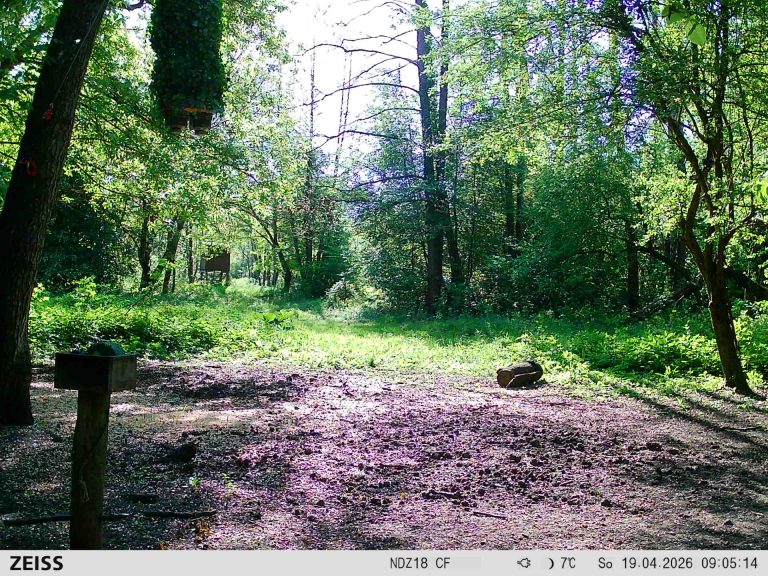
Study: The importance of the alder-ash and Turkey oak-oak wetland habitats of the Somogy hills…
Study: The importance of the alder-ash and Turkey oak-oak wetland habitats of the Somogy hills for big game during summer droughts
Introduction:
The wet woodland-interior habitats of the Somogy hills in Hungary (mainly alder-ash and Turkey oak-oak associations) are key, though often underappreciated, elements of the landscape. These habitats become especially vital during the increasingly frequent and intense summer droughts aggravated by climate change. The aim of our study is to analyze how these wet zones serve the fundamental life functions of big game (mainly red deer, wild boar, roe deer) during drought periods, and what role they play in maintaining the stability and health of the populations.
1. Description of the habitat and its hydrological role
Characteristics: The alder-ash (Alno-Ulmion) and Turkey oak-oak (Querceto-Ulmetum) forests typically develop in stream valleys, seepage slopes, or low-lying flat areas. Their soils are alluvial or meadow soils with good water-holding capacity.
* Hydrology: These habitats are zones with significant groundwater connectivity. Their vegetation (especially the dense root system of the alder) and the high soil moisture reduce evapotranspiration, helping to preserve local humidity. The deeper soil layers retain moisture longer than the surrounding drier forests or agricultural areas.
* Microclimate: The density of the undergrowth, the humidity beneath the canopy, and the lower temperature significantly ease heat stress on hot, dry summer days. The average temperature can be as much as 3-5°C lower than in neighboring sunlit areas.
2. The effect of summer drought on the habitat and on big game
* Environmental stress: During prolonged drought, most forest types and agricultural areas struggle with water shortage. Vegetation dries out, and the quality of forage sources (grasses, weeds, saplings) deteriorates (drought toxins, lower nutritional value) while their quantity drops drastically.
* Big game needs: During drought, big game (red deer, wild boar, roe deer) have the following basic needs:
* Water intake: A daily, vital necessity.
* Quality forage: Moister, greener plants, roots, fungi, which are richer in nutrients and easier to digest.
* Reducing heat stress: A cool, shaded, humid refuge.
* Concealment and safety: Dense undergrowth offers protection from predators and human disturbance.
3. The importance of wet woodland-interior habitats for big game during drought
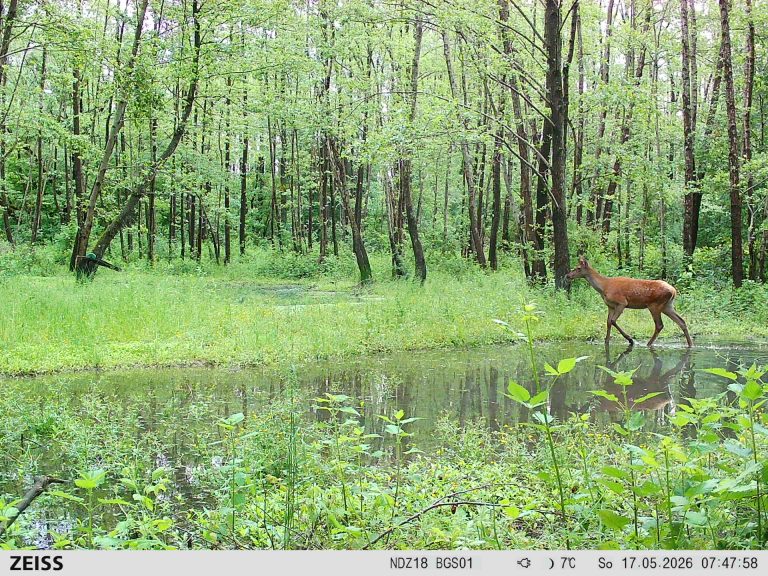
* Critical water source: These zones are often the only reliable water source in the surrounding dry areas in late summer/early autumn. The survival of streams, puddles, and wet hollows is vital for the hydration of big game, particularly for lactating females and young animals.
* "Green oasis" – a forage source: While the surrounding areas dry out, the vegetation of the wet habitats (for example:
* Alder stands: marsh plants (willow species, reed species), weeds favoring moist soil, fungi.
* Turkey oak-oak stands: saplings greening in moist hollows, roots (especially important for wild boar), fallen acorns (where oaks stand here)
These plants stay green and more nutritious for longer, providing vital forage when supply is scarce elsewhere. Higher soil moisture also promotes the plants’ nutrient uptake.
* Heat-stress relief: The cooler, more humid microclimate allows big game to conserve energy (no need for extreme panting or heavy breathing to cool off). This is especially important for the heavy body mass of red deer and wild boar, as well as for the young. Animals rest and digest here during the hottest hours of the day.
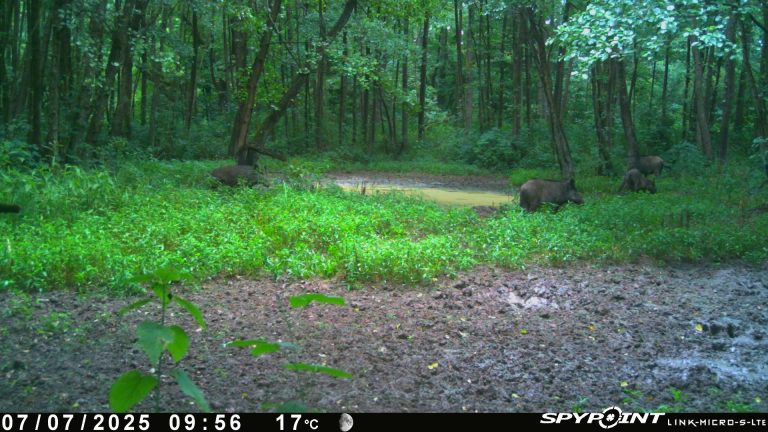
* Safe refuge and social space: The dense undergrowth and moist soil reduce noise (avoiding brittle branches), improving concealment. These areas often become the focal point of big game’s daily activity range during drought, concentrating individuals. This creates opportunities for social interaction (e.g. wild boar) and reduces predation pressure (dense vegetation makes hunting harder for predators).
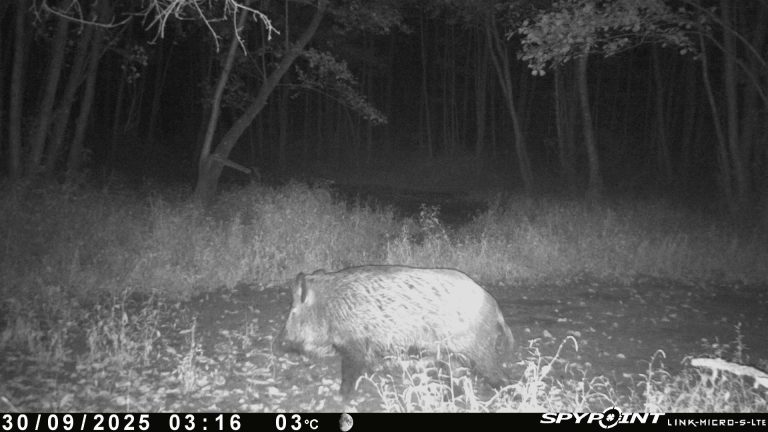
* Health benefits: The moister environment can promote the formation of wallows (red deer, wild boar), which is important in defending against external parasites (ticks, flies). Greener forage ensures the intake of essential vitamins and minerals needed to maintain the immune system.
4. Implications for wildlife management and nature conservation
* Preserving key biotopes: These wet habitats are irreplaceable "life insurance" for big game populations in the age of climate change. Their preservation and restoration (e.g. reversing stream regulation, forestry practices that help maintain groundwater levels) are of paramount importance.
* Habitat connectivity: Ensuring passability between the wet zones and the surrounding drier forests/fields is essential so that big game can safely access water and forage.
* Water management: Forestry and water management practices must take into account the water yield and soil moisture of these habitats. Artificially lowering the groundwater level (e.g. deep drainage) can have catastrophic effects on these biotopes.
* Minimizing disturbance: During drought, game concentrated in wet habitats is especially sensitive to human disturbance (hiking, forestry operations). The timing (e.g. thinning) and intensity of activities carried out here need to be planned with sensitivity.
Summary and conclusions:
The alder-ash and Turkey oak-oak wet woodland-interior habitats of the Somogy hills are vital refuges for big game under the harsh conditions of summer droughts. These habitats:
1. Provide a reliable water source when it dries up elsewhere.
2. Offer green, nutritious forage when vegetation withers in dry areas.
3. Create a cool, humid microclimate that reduces heat stress and saves energy.
4. Provide dense concealment opportunities and safe social spaces.
5. Contribute to the health and wellbeing of big game.
Preserving and restoring these habitats, and managing their surroundings with sensitivity, is not merely local biodiversity conservation but an absolute prerequisite for maintaining the long-term stability, health, and natural behavior of the big game populations of the Somogy hills in the age of climate change and more frequent droughts. They deserve special attention in the area’s wildlife management and nature conservation plans.
Recommended sources (in Hungarian):
* Attila Borhidi: Magyarország növénytársulásai (Plant Communities of Hungary)
* Tibor Standovár & Richard Primack: Erdőtermészetvédelem (Forest Nature Conservation)
* KSH / OMSZ data: Climate change trends and drought indices of Southern Transdanubia.
* Publications of the Hungarian Forest Research Institute (ERTI): Forestry and climate change, the role of wetland habitats.
* Nature Conservation Bulletins: Descriptions and monitoring of the protected habitats of the Somogy hills.
* Materials of the Southern Transdanubian Wildlife Management Association.
This mini-study focuses on the specific local conditions of the Somogy hills and the practical needs of big game, highlighting the critical role of wet woodland-interior habitats in the fight against one of the most serious challenges of climate change: summer drought.
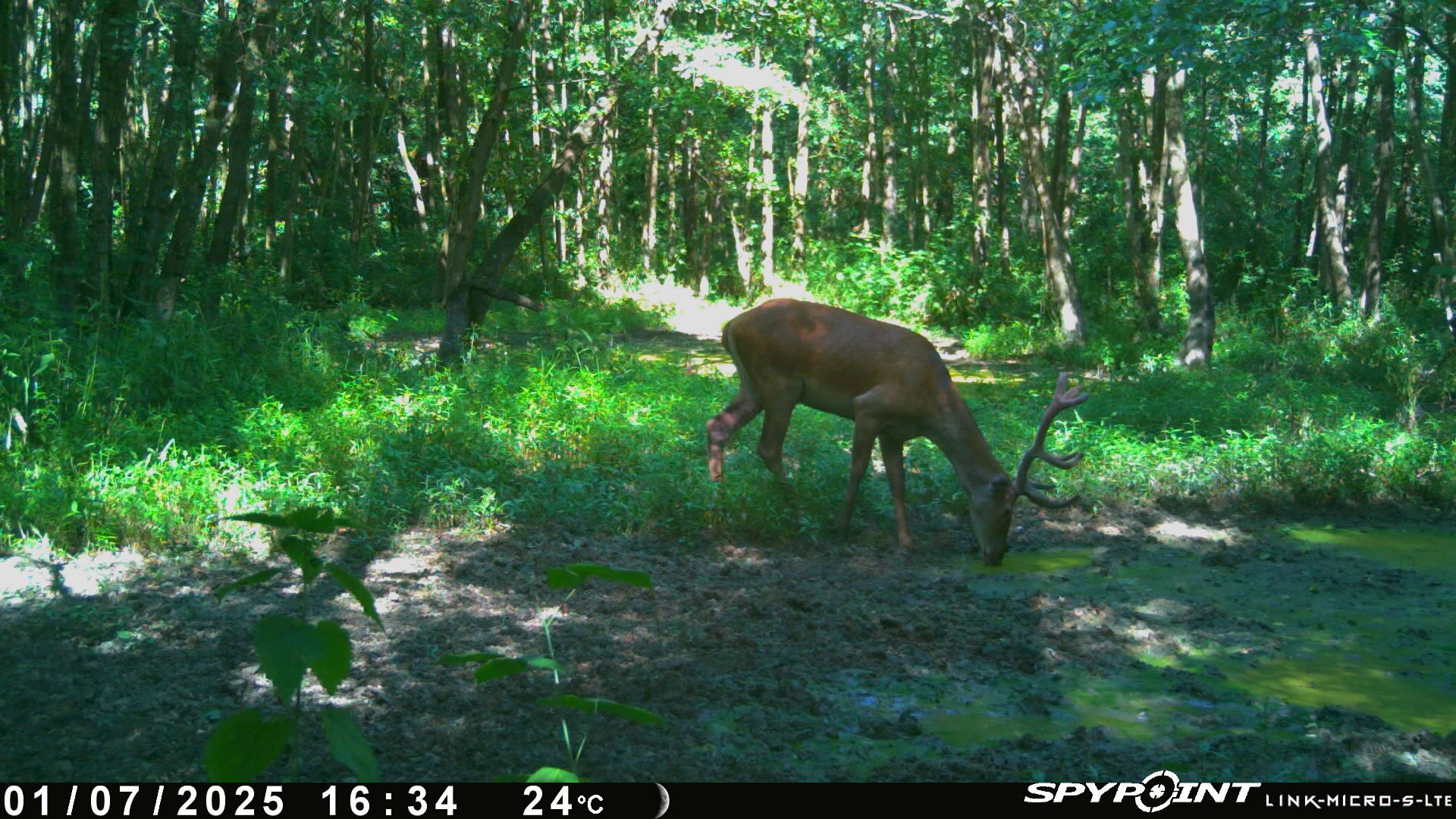
In the photo, a fine, healthy, 3.5-4.5-year-old,
( relatively lean build, notably thin neck, but nice antlers for its age )
young red deer stag quenches its thirst from the dwindling but still remaining water of the big green wallow deep in the forest.