The Use of Beech Tar in Wildlife Management and Conservation:
The Use of Beech Tar in Wildlife Management and Conservation:
A Case Study in Wild Boar Population Management
Abstract
Beech tar, as a natural substance, has long been a tool used in wildlife management, particularly in managing wild boar (Sus scrofa) populations. This paper reviews the attractive effect of beech tar on wild boar, its methods of use, and its ecological implications. It highlights the role of beech tar in preventing wildlife damage, in wildlife monitoring, and in population control, all while taking conservation considerations into account. Empirical observations (such as the attached trail camera footage) confirm the effectiveness of beech tar in luring wild boar to feeding plots or feeders, thereby contributing to responsible wildlife management practices.
1. Introduction
The goal of wildlife management is the sustainable management of wild animal populations, which includes regulating population dynamics, preventing wildlife damage, and managing hunting use. Within this, wild boar receive particular attention, since their adaptability and high reproductive rate often lead to overpopulation, which can cause significant agricultural and forestry damage as well as disrupt the balance of local ecosystems. Beech tar is a traditional and relatively simple tool that helps game managers address these challenges.
2. Properties of Beech Tar and Its Attractive Effect
Beech tar is a dense, dark, oily substance obtained from the dry distillation of beech wood (Fagus sylvatica), with a distinctive, strong odor. This odor, which is highly attractive to wild boar, can be attributed to several factors:
Pheromone-like effect: The compounds found in the tar may resemble scents naturally present in the wild boar’s environment, or may even behave like pheromones that carry social signals.
Behavioral needs: Wild boar like to wallow and rub against trees, especially in mud, to rid themselves of parasites, cool down, and mark their territory. The sticky substance of the tar can help clean the skin of parasites, and its scent can also reinforce territorial marking.
Feeding association: Although tar is not food, its smell may become associated with foraging or with searching for roots and insects hidden in the mud.
3. Methods of Application in Wildlife Management
Beech tar is primarily used for the following purposes:
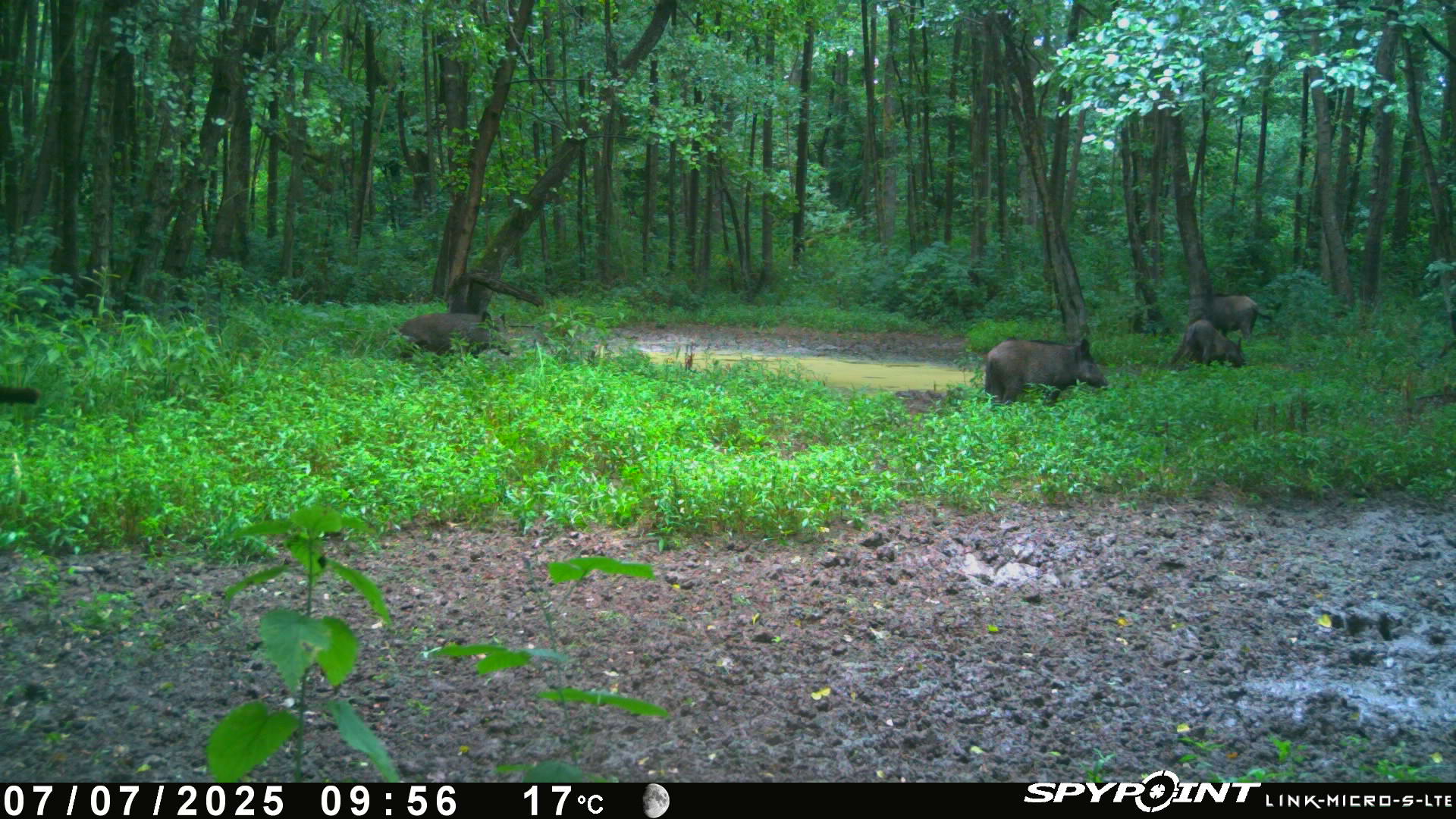
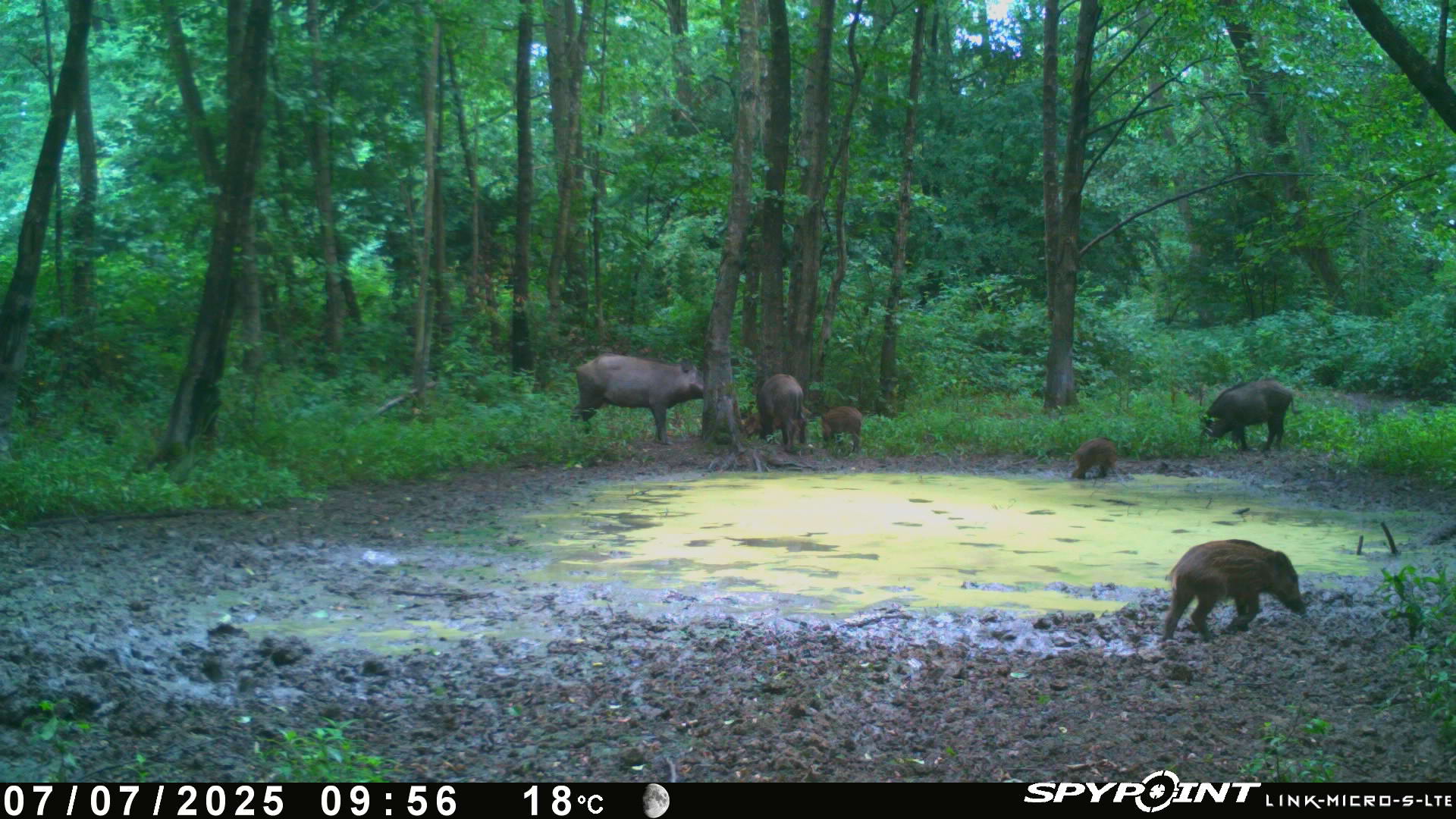
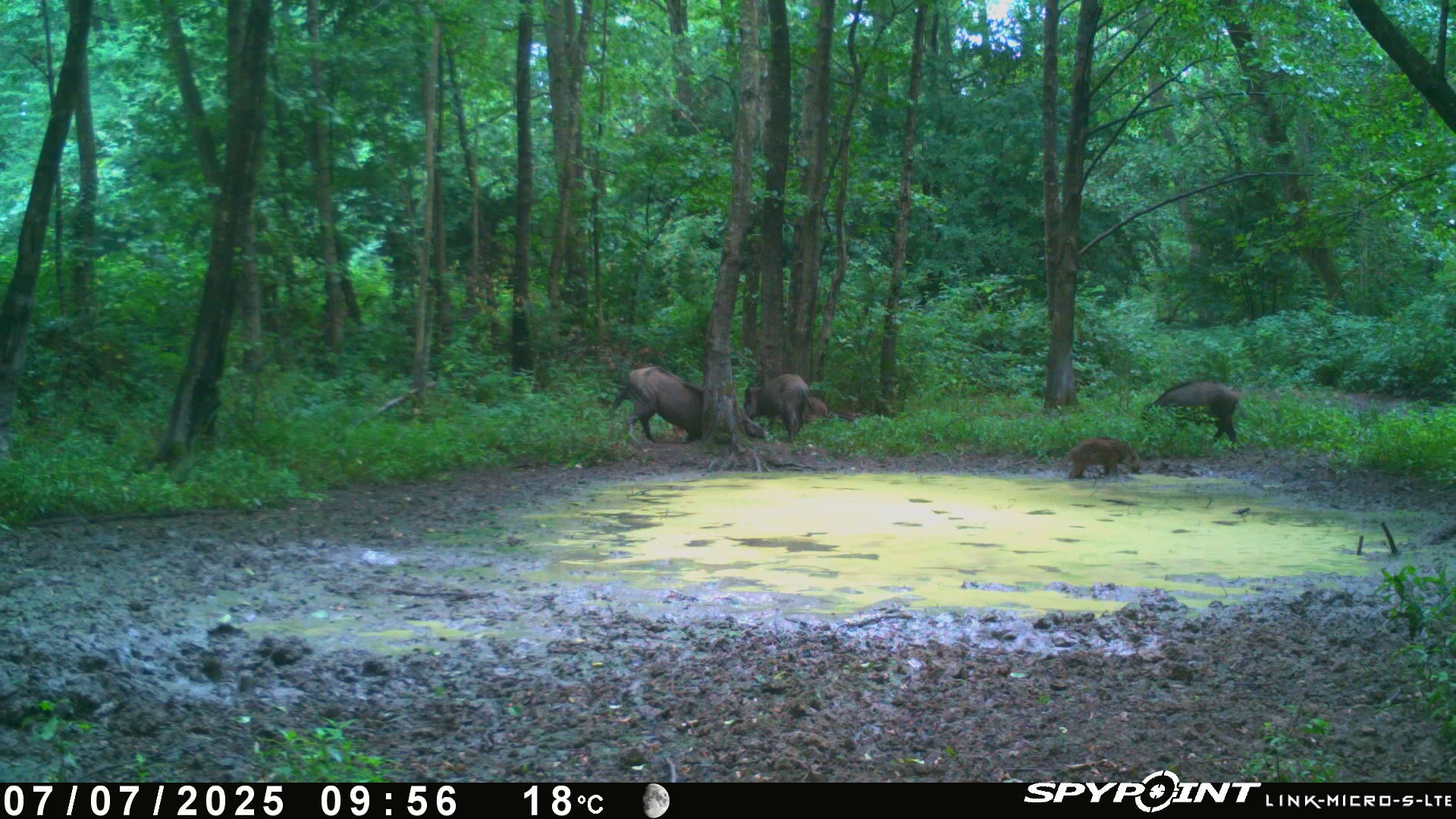
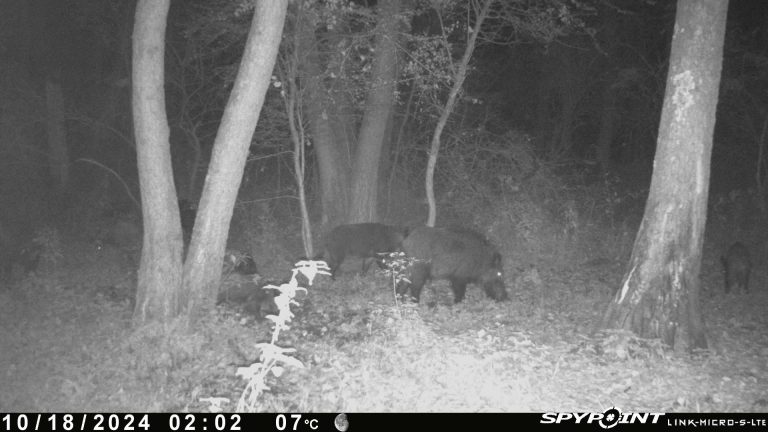
Luring to feeding plots/feeders: By applying tar to tree trunks or designated rubbing trees, wild boar can be drawn to a specific area. This allows for population monitoring, counting, and, if necessary, concentrating hunting pressure. The attached photos illustrate this very phenomenon, showing wild boar gathering around the tarred wallow site.
Prevention of wildlife damage: It can also be used as a diversionary measure to protect agricultural areas, crops, or young forest plantations. Tarred points draw wild boar away from areas farther from the feeding plot, reducing the damage caused.
Wildlife monitoring and research: Placing trail cameras near tarred trees can provide more accurate data on wild boar behavior, population dynamics, sex ratio, and age composition. This data is essential for developing effective wildlife management plans.
4. Conservation Considerations
Although beech tar is a useful tool, it is important to consider conservation aspects when applying it:
Sustainability: Beech tar is a naturally derived material, but responsible sourcing is important, as is avoiding excessive use, which could also disturb other wildlife species.
Non-target-specific effects: Although it is primarily attractive to wild boar, other animals (e.g., bear, red deer) may also be drawn to it, which can influence their behavior. Therefore, careful selection of application sites is crucial.
Ecosystem integrity: Tarring cannot replace the preservation of natural habitats and the maintenance of a balanced ecosystem. Its purpose is to assist population control, not to completely override natural processes.
Ethical wildlife management: The use of tar can be part of ethical hunting practices, insofar as it contributes to maintaining a healthy game population and minimizing wildlife damage.
5. Case Study: The Attached Trail Camera Footage
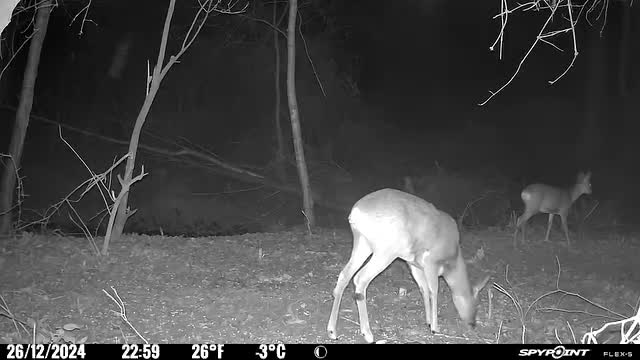
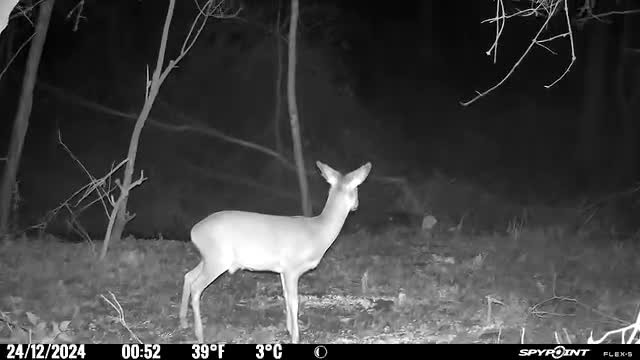
The images below (PICT0940_H_202507070801bHR0t.jpg, PICT7987_H_202507070800xlXRM.jpg, PICT0939_H_202507070801RVOkW.jpg), taken by a trail camera on July 7, 2025, at 09:56, illustrate the effectiveness of beech tar. In the footage, several wild boar individuals (presumably a sounder, with animals of various ages, including piglets) can clearly be seen at a wallow site. The ground is muddy, and traces of the tar can also be observed in the area. The wild boar are visibly active at the site, confirming that the tar successfully drew them to this particular spot. The temperature data (17-18°C) may also be relevant, since cooler weather can also affect the need to wallow.
6. Conclusion
Beech tar is a simple but effective tool in modern wildlife management. It can attract wild boar to a given area, thereby helping with damage prevention, population monitoring, and the optimization of hunting strategies. However, it is important to apply the material responsibly, mindfully, and with conservation considerations in view, so that sustainable and ethical wildlife management can be achieved in the long term. Continuous research and the gathering of empirical data, such as that provided by the attached trail camera footage, are essential to ensuring the optimal use of beech tar in maintaining harmony between wildlife and human activity.