Today, getting ready for the coming hunting weekend, going through and…
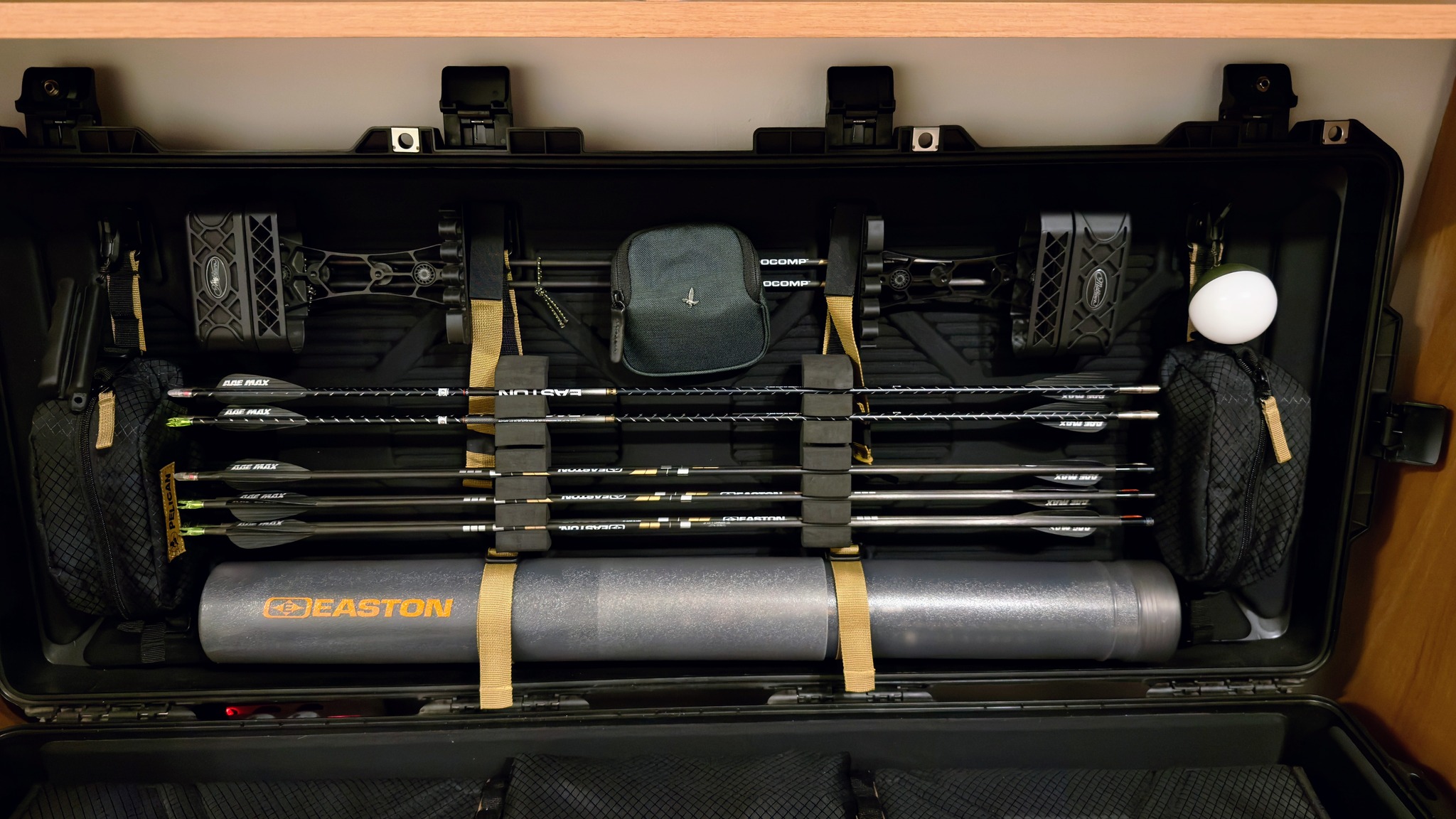
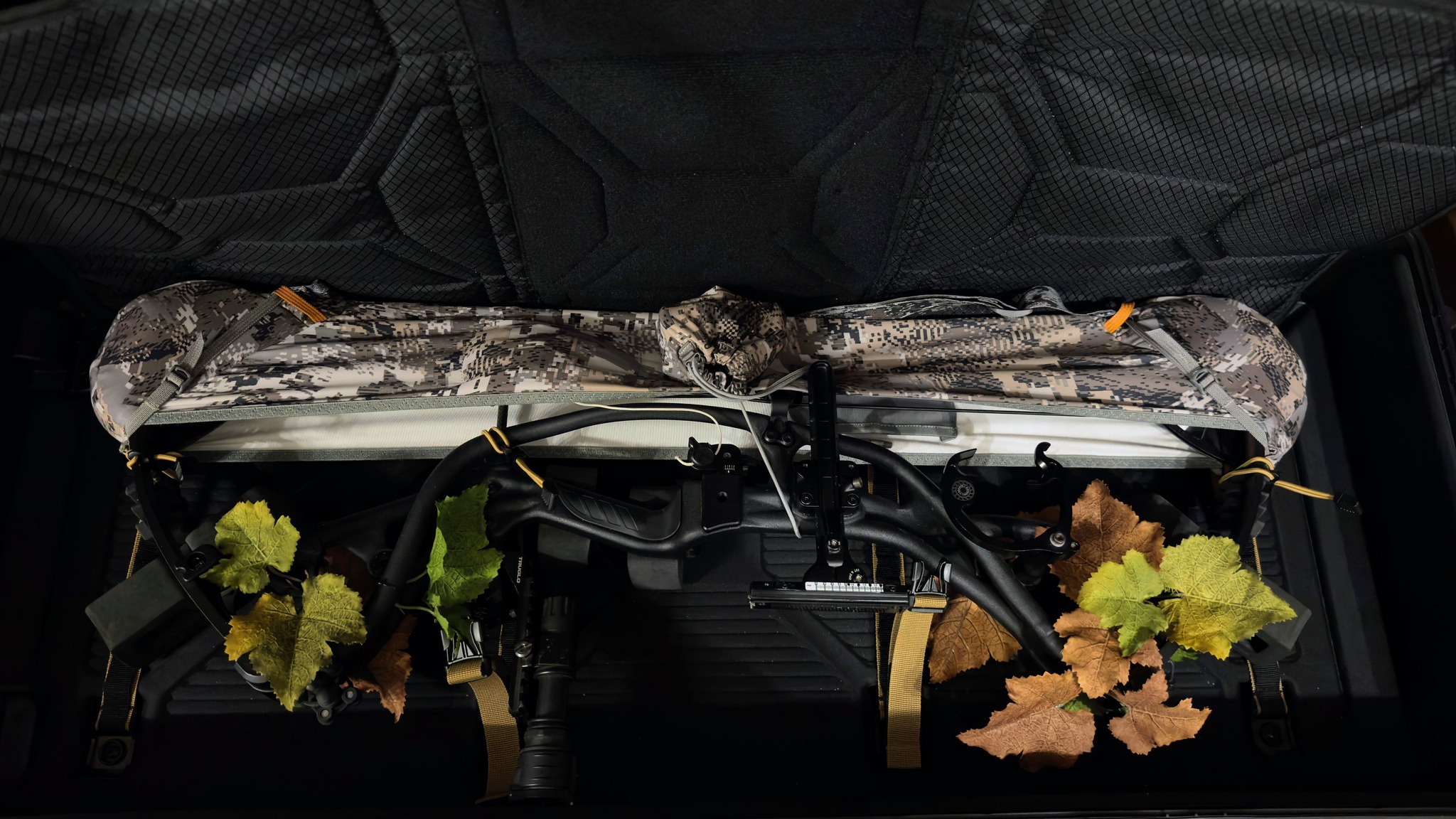
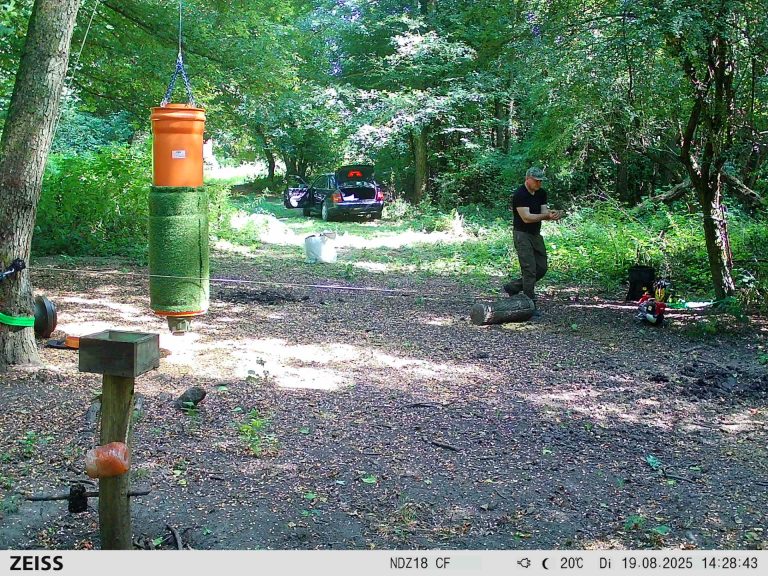
Today, getting ready for the coming hunting weekend, as I go through and, based on experience, reorganize the contents of the crates, boxes, bags and backpacks I use to store my gear, this photo was taken.
In 2003, when I bought my very first bow (a Mathews Ultra2), I decided that I would pursue my childhood dream, my inexhaustible curiosity and wonder toward nature, through hunting.
The fact that I would pursue this activity, as far as possible, on equal terms, in the most ethical way possible, using nothing but a bow — with all its hardships and all its beauty — only truly became conscious in me with the purchase of that first real hunting bow.
Since then, more than 20 years have passed.
I’ve had 3 bows in that time (a Mathews Ultra2, a Mathews LX, and my current Hoyt RedWRX Carbon RX-4).
I never imagined that, alongside my job, the ever-growing experience I’ve gained in bowhunting would let me develop myself — and my gear — to the level I’m at now.
A huge contribution to this came from the wealth of experience I’ve accumulated thanks to the particular nature of my current hunting ground (an extremely intensively "crop-damage-controlled", free-range area).
What exactly does that mean?
Just a few highlights:
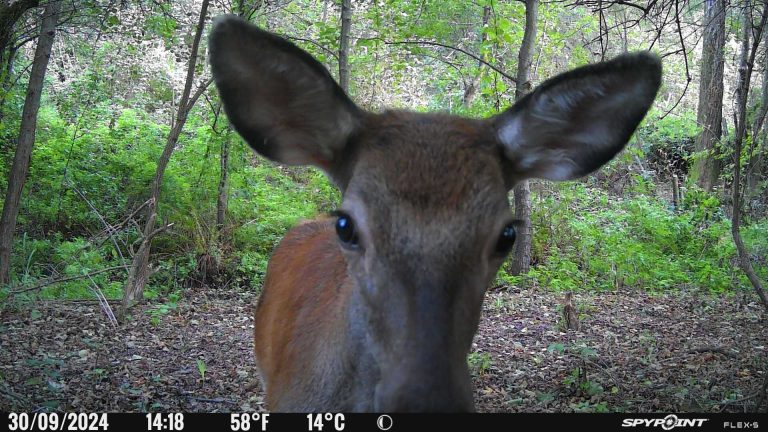
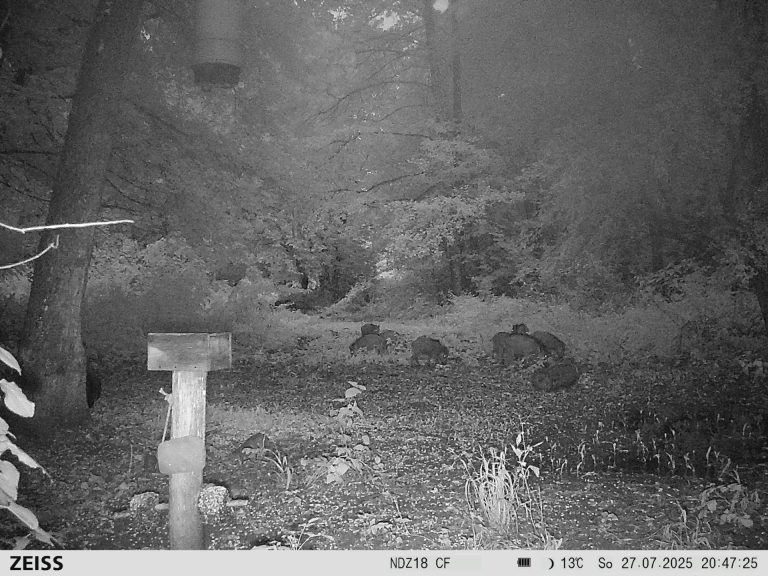
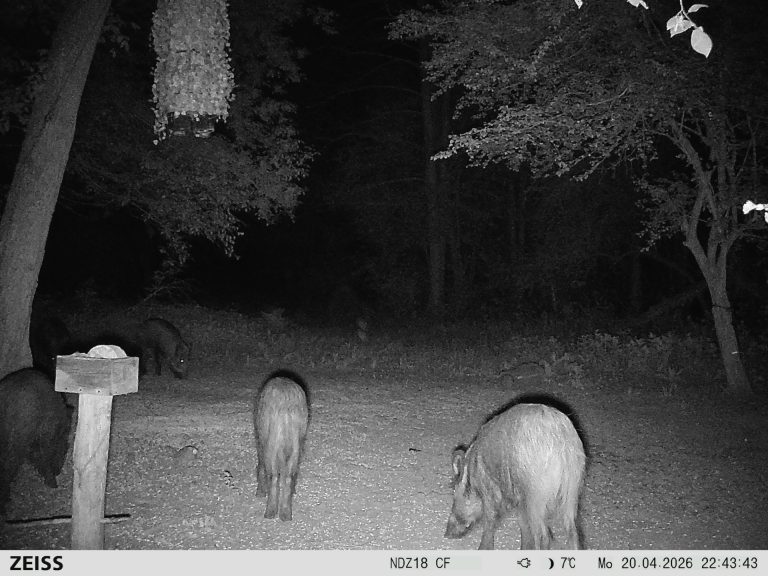
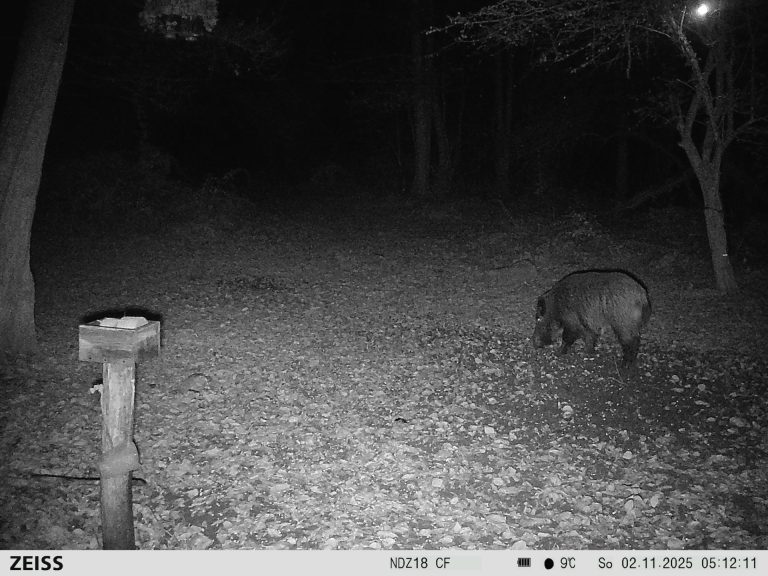
– The game barely moves at all during daylight hours.
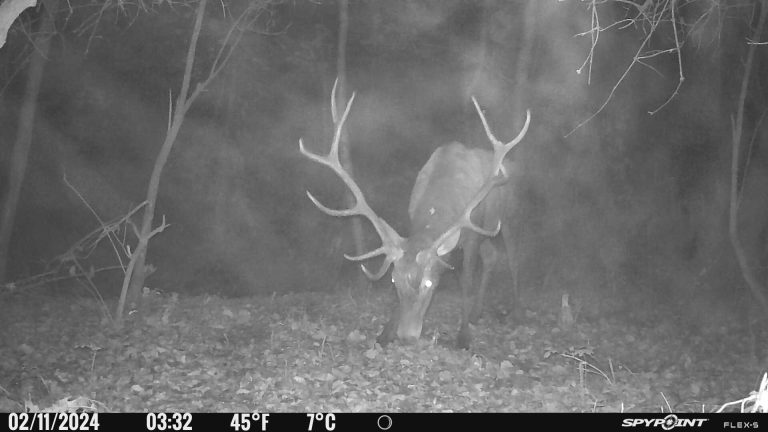
– It only stirs late in the evening, at night, in full darkness, and withdraws back into cover even before first light — and in the meantime it is wary beyond anything the human imagination could conjure.
(there was once a stag that waited and watched in dead silence next to the feeder for more than 4 hours before it dared approach)
– Whenever it possibly can, it avoids the feeders entirely (from the moment any agricultural crop appears until it’s harvested, and even afterward, until every last grain scattered on the stubble by the machinery has been cleaned up).
– Fruit ripening over the summer, and the acorn drop from the oaks in autumn, also draw the game away from the feeders.
On top of all this, it’s not only the intensive, thermal-scope hunting that disturbs the peace of the local game population — the social fabric of the area contributes to it as well.
In this deeply impoverished region, where the residents of the surrounding villages largely live off the forest, they go antler-hunting (and here that doesn’t just mean gentle searching, but actively harassing and tracking down antlered stags, then organizing group chases on small motorbikes, hoping some branch will knock the eagerly awaited, soon-to-be-shed antler off the animal’s head), and during mushroom season they go mushroom-picking — not just by day, but at night too, with spotlights, as a loud family outing. . .
In a place like this, it’s a miracle that game even exists at all.
And it’s just as much a miracle if you manage to take even one or two animals with a bow in a year.