Morphological and Ethological Characteristics of Old Red Deer (Cervus elaphus) Stags, and Their Significance in Sustainable Wildlife Management…
Morphological and Ethological Characteristics of Old Red Deer (Cervus elaphus) Stags, and Their Significance in Sustainable Wildlife Management
Abstract
This paper examines the complex characteristics of old red deer stags, linking morphology, ethology, and wildlife management practice.
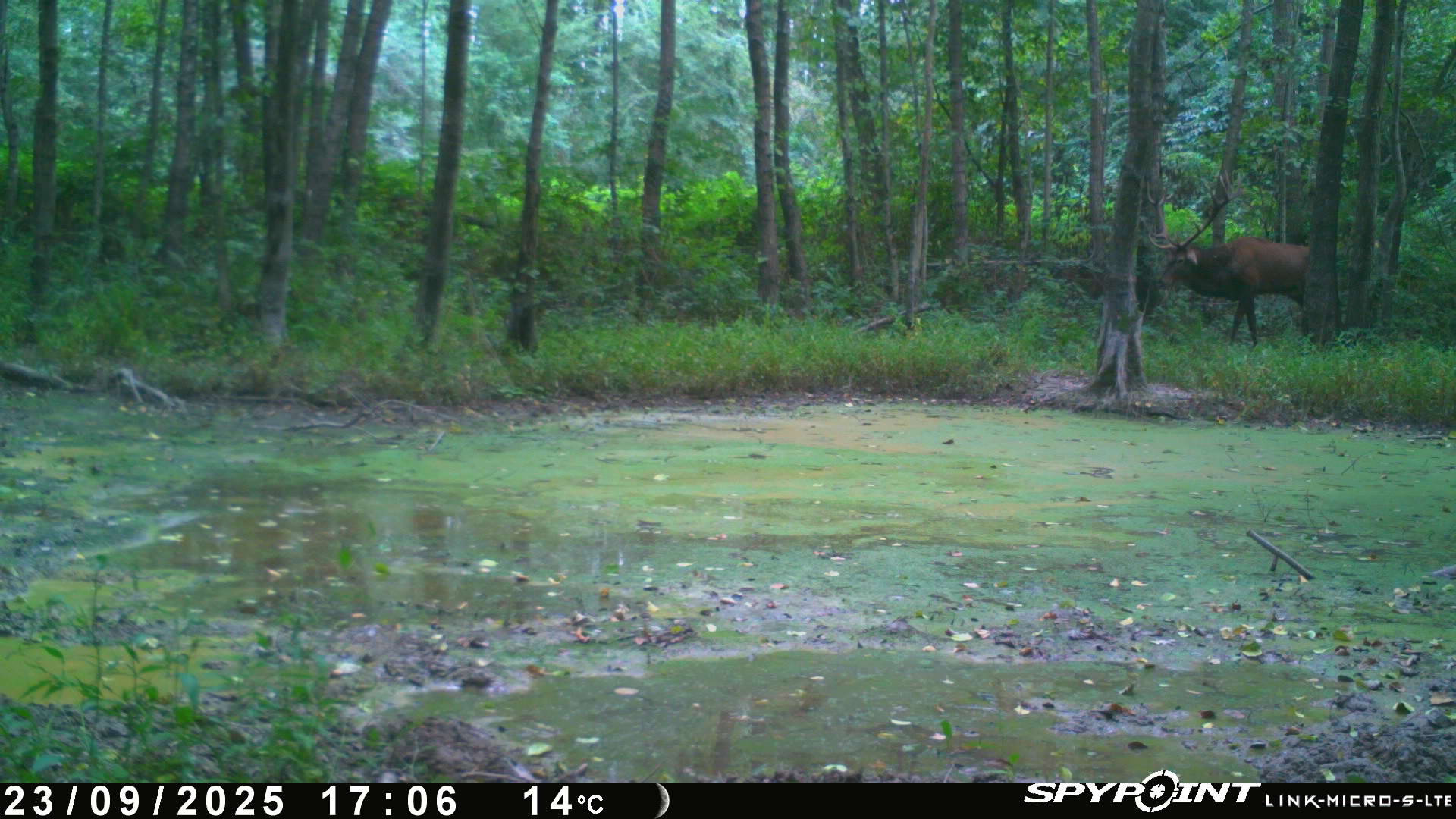
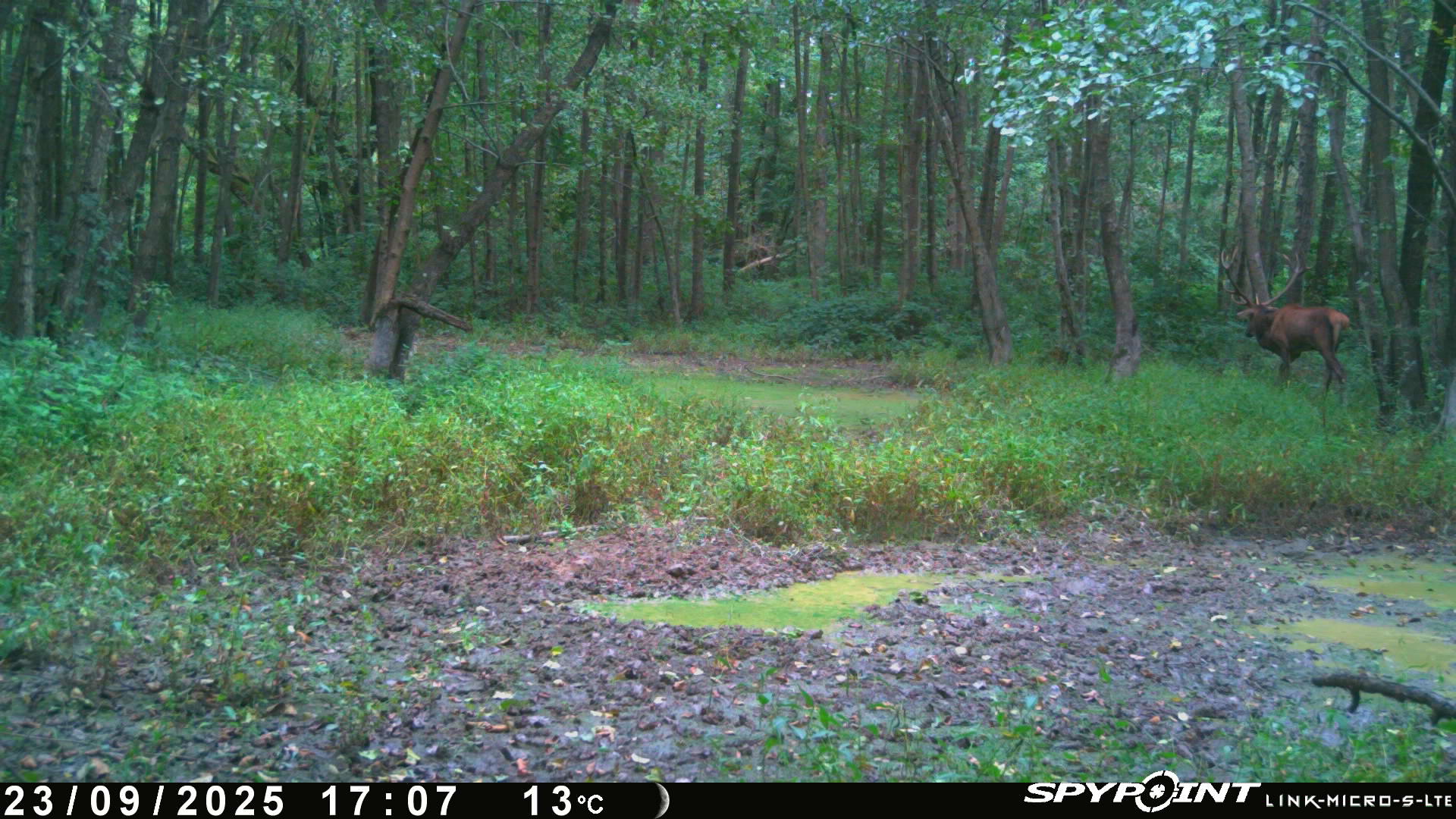
We support a case study developed from a specific observation near the Nagy-Zöld wallow with generalizable scientific findings. Our aim is to demonstrate that the distinctive traits of old stags (e.g., a monumental neck, a low eye position, a deep roar) are not anecdotal but biological adaptations that are key to the healthy maintenance of populations.
The traditional, observation-based field knowledge represented by Dr. Oszkár Firbás (“Uncle Oszi”) and the findings of modern ethological research complement one another synergistically in the service of sustainable wildlife management.
1. Introduction
The red deer is a keystone species of Palearctic ecosystems, and managing its populations is one of the most complex tasks in wildlife management. A cornerstone of this is the accurate field assessment of individuals’ age and dominance status, particularly of stags, in their natural habitat. This paper examines the morphological and ethological foundations of field age determination, showing how these traits serve an individual’s reproductive success and the stability of the population.
2. Morphological Characteristics as Indicators of Age and Dominance
The build of old stags (generally 8+ years old) differs markedly from that of their younger counterparts. These morphological traits develop under the influence of testosterone and through physical condition acquired over the years.
Neck Thickness and Muscle Development: The monumental neck of old stags is the result of hypertrophy of the neck muscles (m. rhomboideus, m. splenius, m. brachiocephalicus) and the development of fat pads. This muscle mass is functional: it serves the carrying of heavy antlers, the physical strength required for rutting battles, and the protection of the neck. During the rut, rising testosterone levels cause further swelling.
Eye Position and Posture: The “eye below the line of the back” phenomenon is an optical effect caused by the developed neck and shoulder musculature, a strengthened spine, and the characteristic, lower head carriage of old stags. This posture is a visual signal of condition and experience.
3. Ethological Characteristics and Sexual Selection
Morphology is closely tied to behavior, which has been shaped by sexual selection.
Vocal Communication (the “Deep Baritone”): The frequency and volume of the roar correlate with body size and condition. The deep, resonant roar of old stags is made possible by a larger larynx, a wider neck cavity, and the caudal (downward) displacement of the larynx. This sound is an honest signal, one that advertises the individual’s fitness, deters rivals, and attracts hinds.
Dominance Behavior: Old, experienced stags often avoid physical confrontation. Their mere appearance and deep roar are frequently enough to unsettle and put to flight younger rivals who, despite high testosterone levels, are less experienced.
This is an energy-efficient strategy that reduces the risk of injury for both parties.
4. The Role of the Old Stag in the Population and Implications for Wildlife Management
Old stags are not merely trophies but fundamental elements of a population’s genetic and behavioral stability.
Genetic Diversity: Stags that reach old age and dominant status likely carry adaptive genes that contribute to the population’s long-term resilience.
Stabilizing Effect: Through their experience, they contribute to the population’s “collective knowledge” (e.g., of food sources, dangers). Their presence stabilizes the dominance hierarchy, reducing unnecessary aggression among younger individuals.
Wildlife Management Practice: Accurate field age determination (the combined interpretation of morphological and ethological signs) enables selective hunting. The goal of modern wildlife management is to maintain a healthy age and sex ratio, which includes preserving valuable old stags within the population, not merely selecting them out. Integrating traditional hunting wisdom (such as Uncle Oszi’s teachings) with modern scientific knowledge is essential to achieving sustainability.
5. Conclusions
The morphological (thick neck, distinctive eye position) and ethological (deep roar, dominant yet tactical behavior) characteristics of old red deer stags are interconnected adaptations that maximize an individual’s fitness and reproductive success. These traits are reliable indicators of age and status, and thus essential tools for wildlife managers’ decision-making. The genetic and social stabilizing role that old stags play within the population underlines the importance of their conservation within a sustainable management framework. The challenge for the future will be to further strengthen the synergy between traditional observational knowledge and ongoing scientific research, for the effective protection and utilization of red deer populations.