Behavioral Adaptation and Feeding Ecology of a Wild Boar (Sus scrofa) Population Under Anthropogenic Influence, Through the Example of a Site-Specific Feeding Location…
Behavioral Adaptation and Feeding Ecology of a Wild Boar (Sus scrofa) Population Under Anthropogenic Influence, Through the Example of a Site-Specific Feeding Location
Introduction
The wild boar (Sus scrofa) is one of Europe’s most adaptable big game species, possessing an outstanding capacity to adjust to anthropogenic (human-modified) environments.
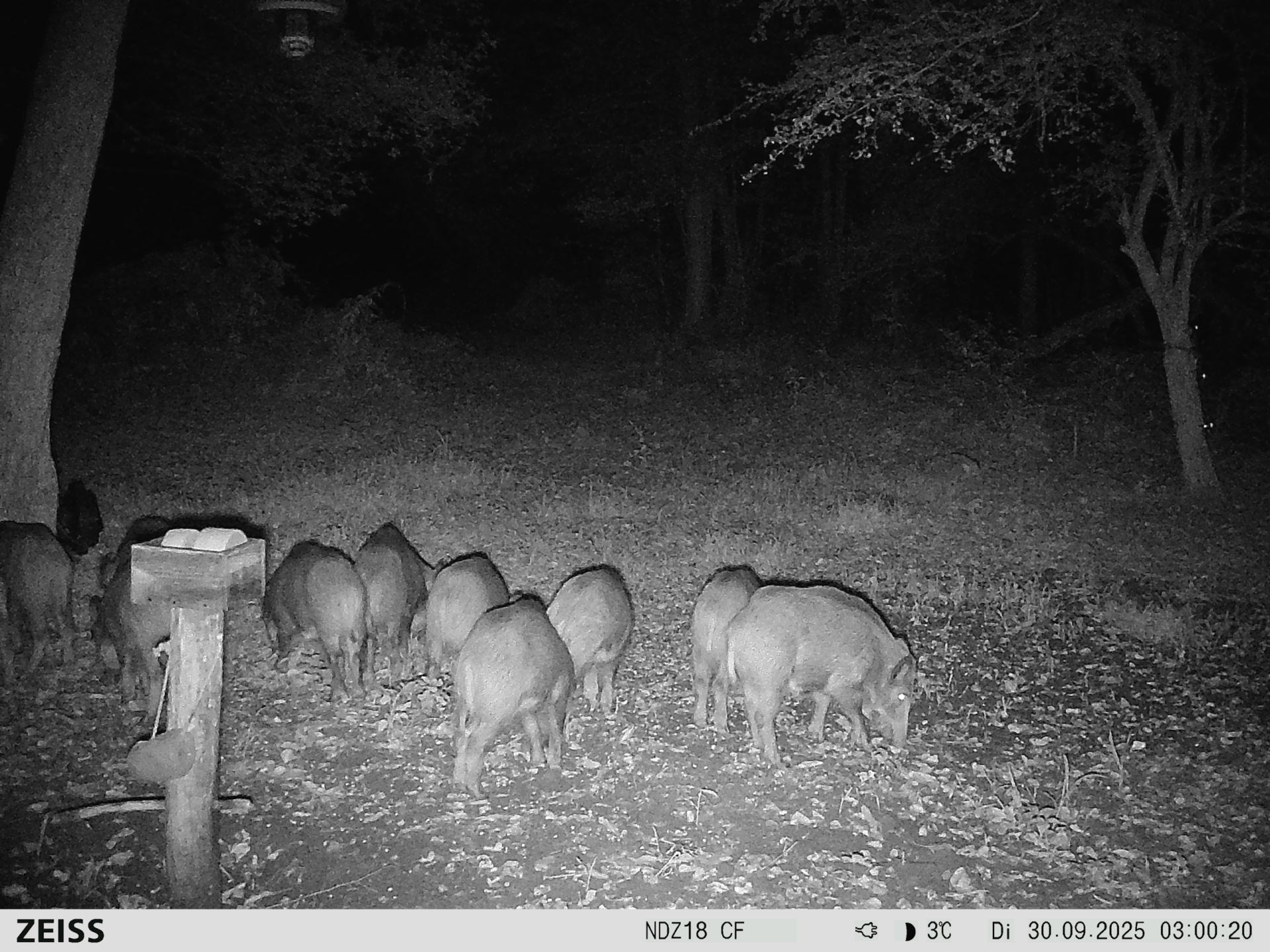
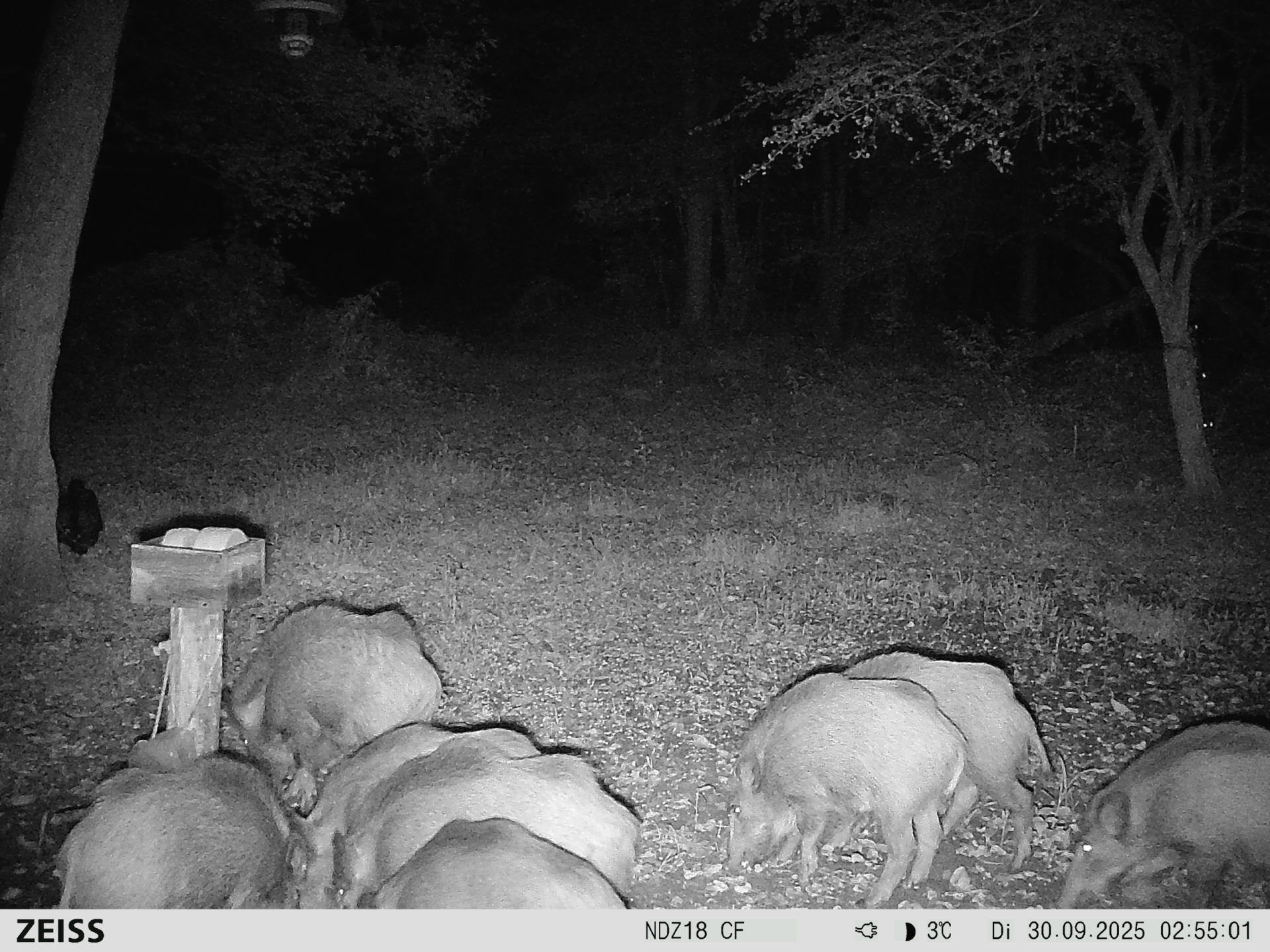
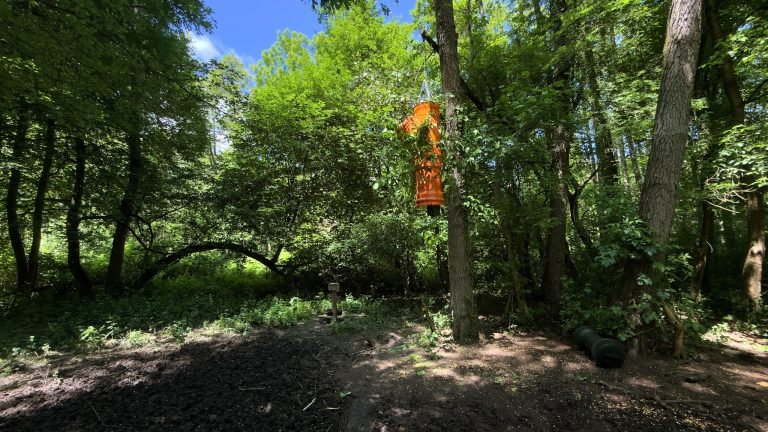
The purpose of this study is to analyze observations gathered at a long-established feeding site (hereinafter: "feeder") located in a transitional zone between hill-country forest and farmland.
The data shed light on the behavioral changes, feeding ecology, and population dynamics of a local sounder of orphaned piglets, with particular attention to environmental stress factors and the process of generational learning.
1. The Observed Behavioral Change and Its Possible Ecological Explanations
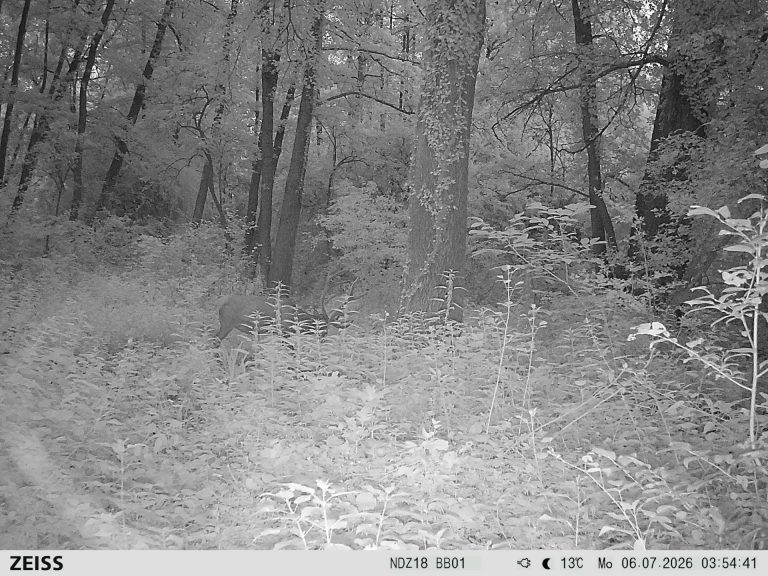
According to observations, the sounder’s time spent at the feeder has decreased significantly: the previous ~90-minute stay has shortened to ~30 minutes.
Several interrelated ecological explanations are possible for this behavioral change:
Reduced Sense of Security:
The loss of the adult, experienced sows ("intensive thermal-scope wildlife damage control") may have caused a radical drop in the sounder’s sense of security.
The young animals, having lost the watchful attention and experience of their older companions, may feel more vulnerable.
This heightened predation pressure (here: humans as a mortal, predatory threat) may force the group into shorter, more intensive feeding bouts, minimizing exposure time.
Modification of Foraging Strategy:
A shorter stay does not necessarily mean reduced food intake. The group may consume the feed available at the feeder more efficiently and quickly, since food sources are currently abundant in their environment (e.g. agricultural remnants, roots, invertebrates). During this period, the feeder is merely one of several alternative sources.
2. The Strategic Role of the Feeder in Seasonal Changes in Food Supply
Missing Acorn Crop:
The "young oak stands" in the area are not yet mast-bearing, so one of the most important, energy-dense staples of the wild boar’s autumn-winter diet is absent.
This represents a severe ecological shortfall for the population.
Agricultural Harvest:
The harvesting of crops from agricultural land deprives wild boar of an additional, easily accessible source of calories.
Together, these factors make the feeder the dominant, reliable food source for winter survival.
In this context, "regularly fed feeders" represent not merely supplementary feeding but a compensatory feeding opportunity that can contribute to population stability during a critical period.
This situation highlights the ambivalent role of feeding practices used in wildlife management: on one hand it aids the survival of the game, on the other it influences its territorial behavior and population dynamics.
3. Generational Learning and Social Flexibility
This observation provides extremely valuable data on the social behavior and learning capacity of wild boar.
Early Socialization and Sounder Stability:
The piglets were born here… together with their mother, they visited the feeder almost every day. The maternal individual passed on to her offspring the knowledge of the feeder as a safe and reliable food source.
This early socialization laid the foundation for the sounder’s loyalty to the site.
Social Flexibility in a Crisis Situation:
After the loss of the sows, the young animals survived the trauma by "sticking together." This observation supports the idea that wild boar sounders do not necessarily disband upon the loss of the dominant individuals.
The social bonding of the younger animals and their collective protective behavior (sticking together) allow the group to persist. This is an adaptive behavioral pattern that increases the resilience of the population.
Summary and Conclusions
The case study presented illustrates the workings of a micro-ecological system in which the behavior of the wild boar population is shaped by complex factors:
1. Hunting intensity has a direct effect on group dynamics and safety behavior (reduced visit duration).
2. The seasonal availability of food sources determines the strategic importance of feeding sites, which can become key elements for winter survival.
3. Generational learning and social flexibility allow the population to adapt to environmental changes and to the loss of group members.