Experiences with the feeder system’s operation and the necessary setting adjustments…
Experiences with the feeder system’s operation and the necessary setting adjustments
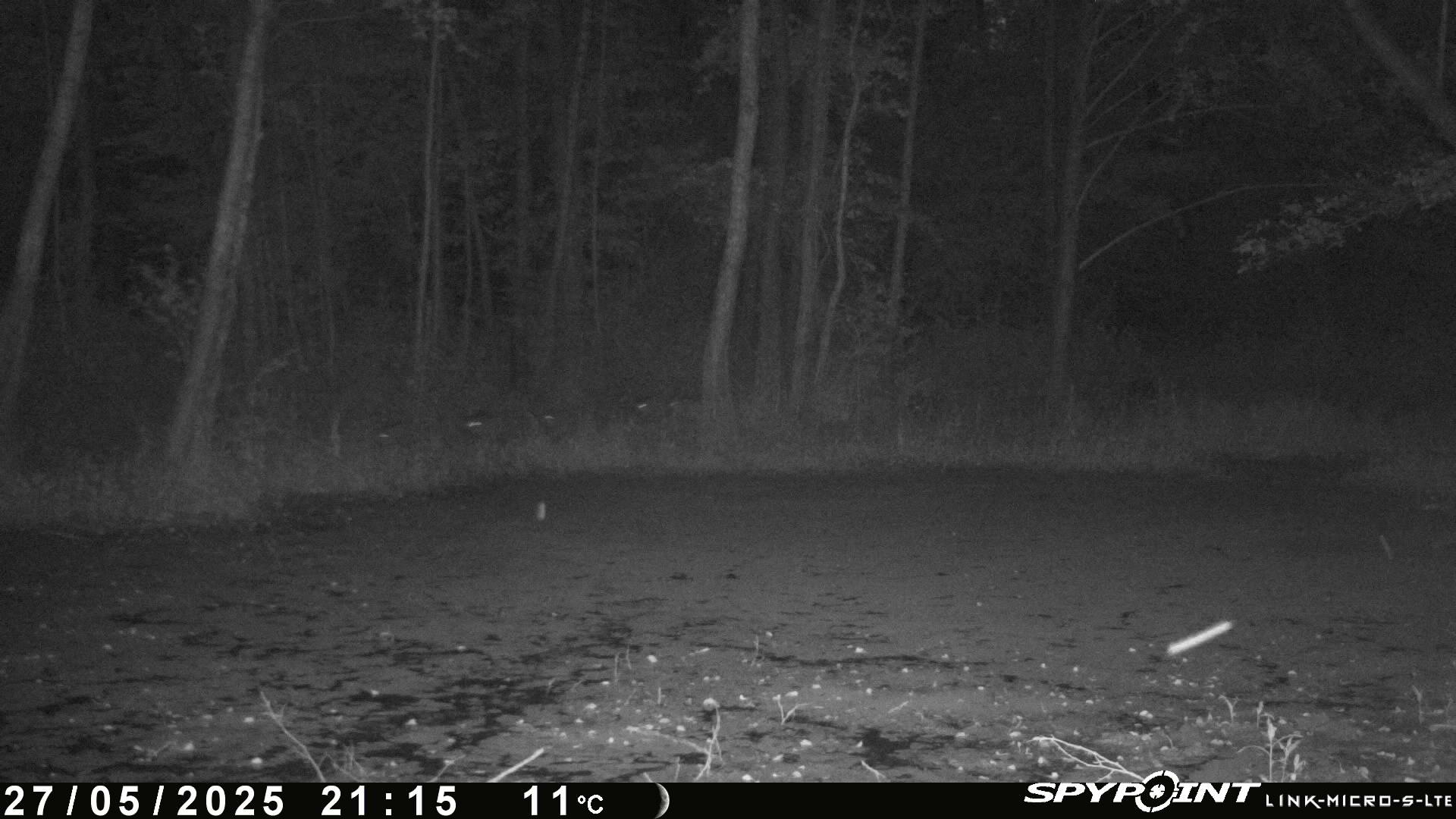
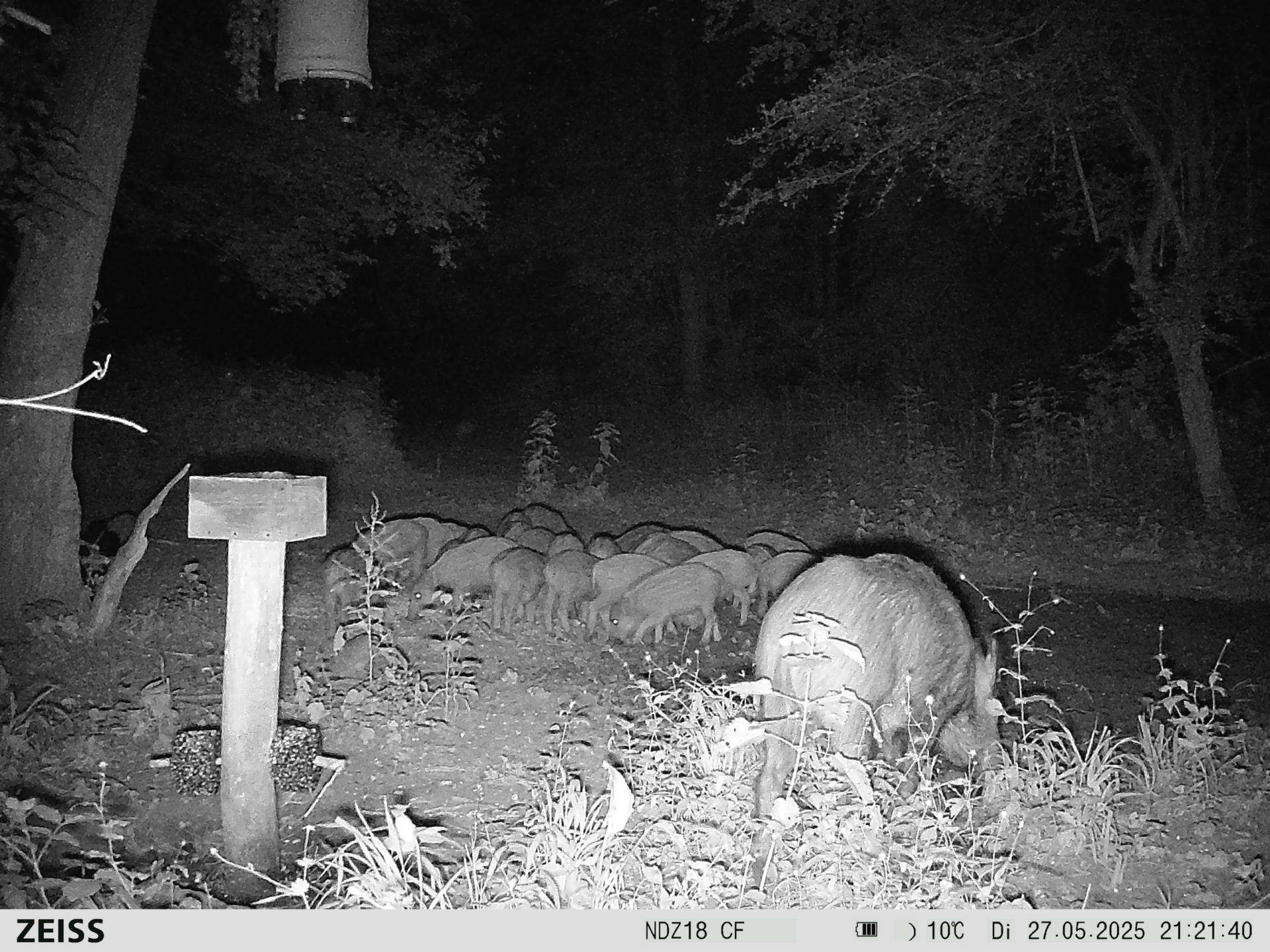
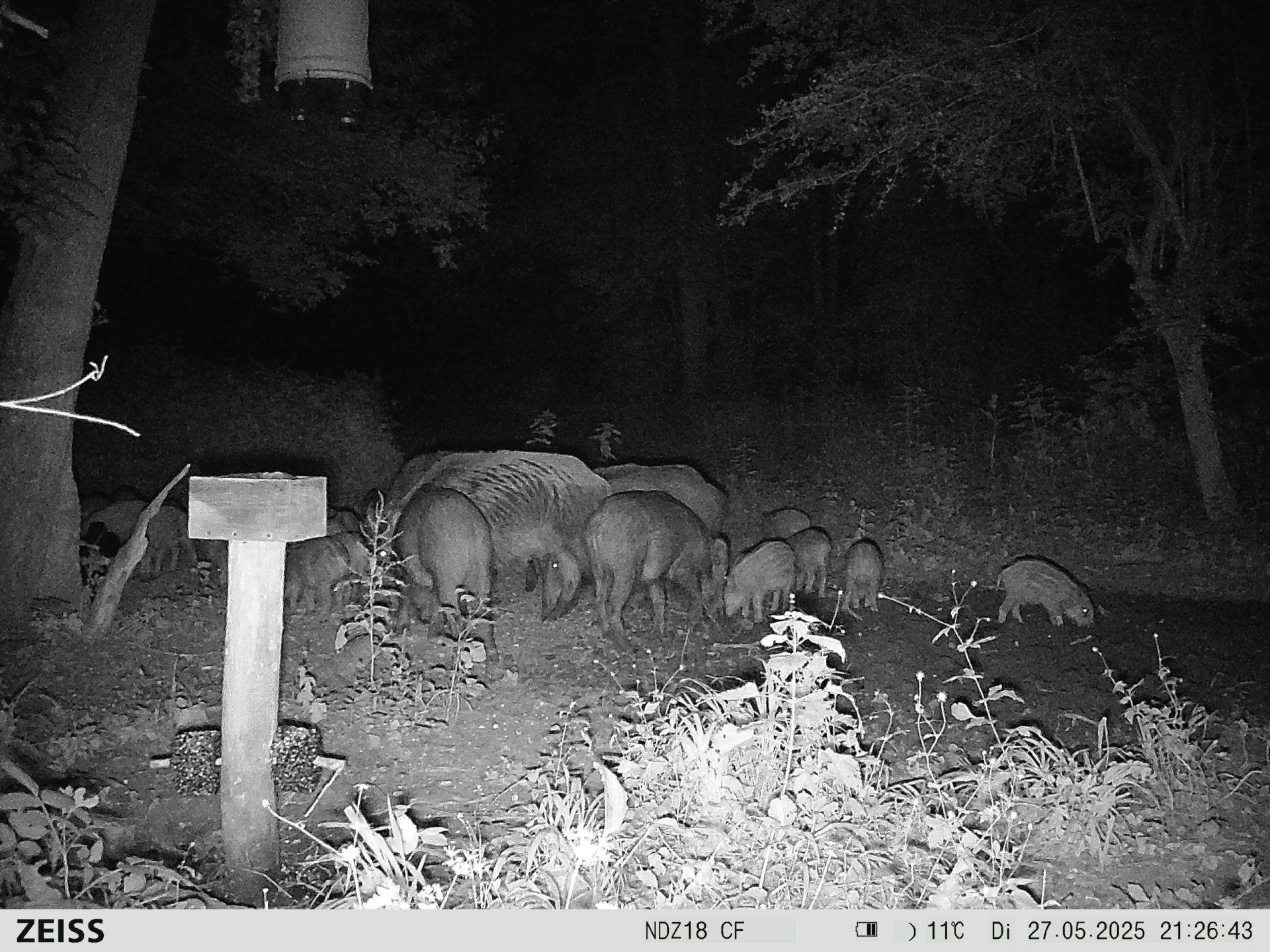
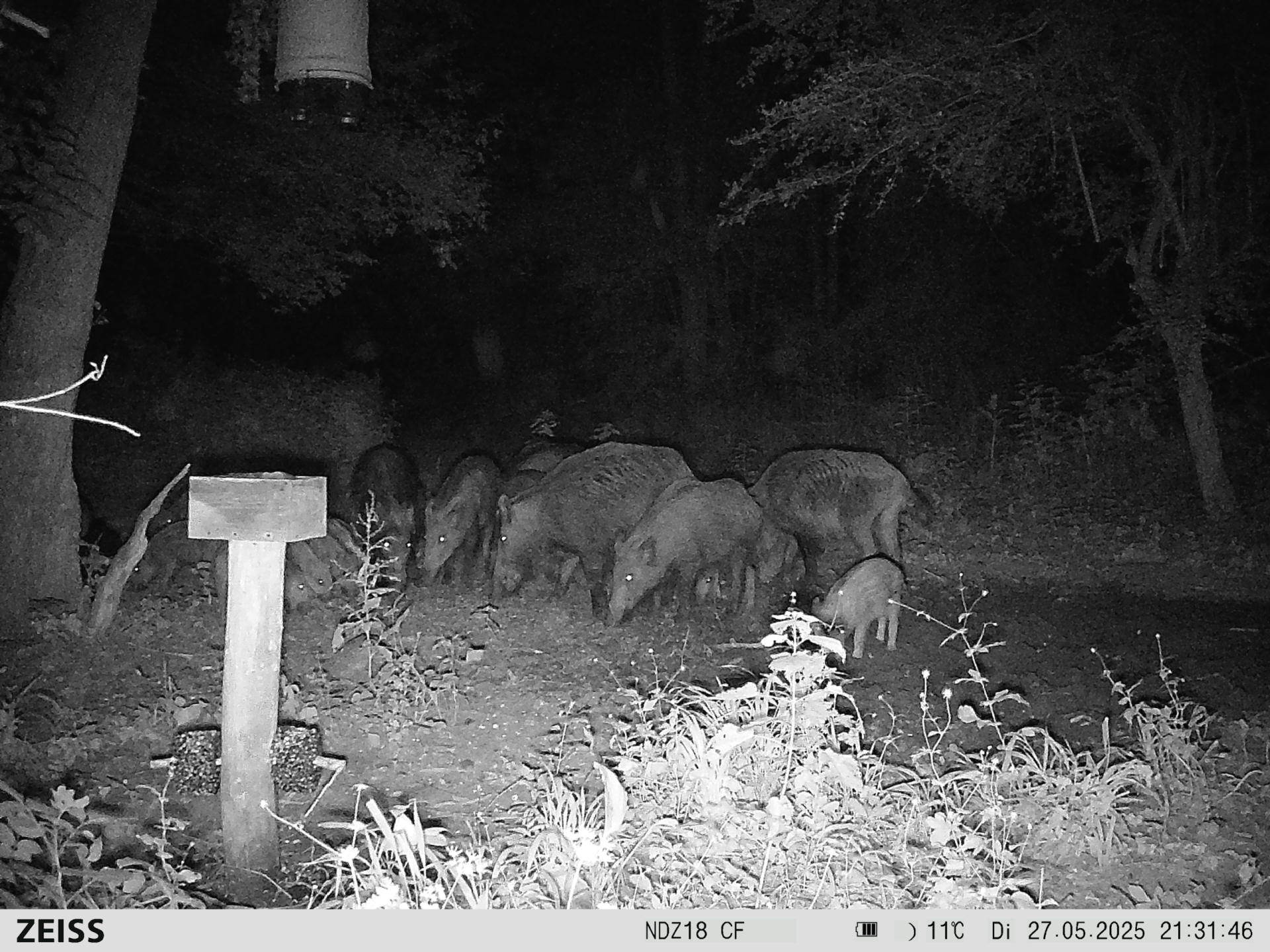
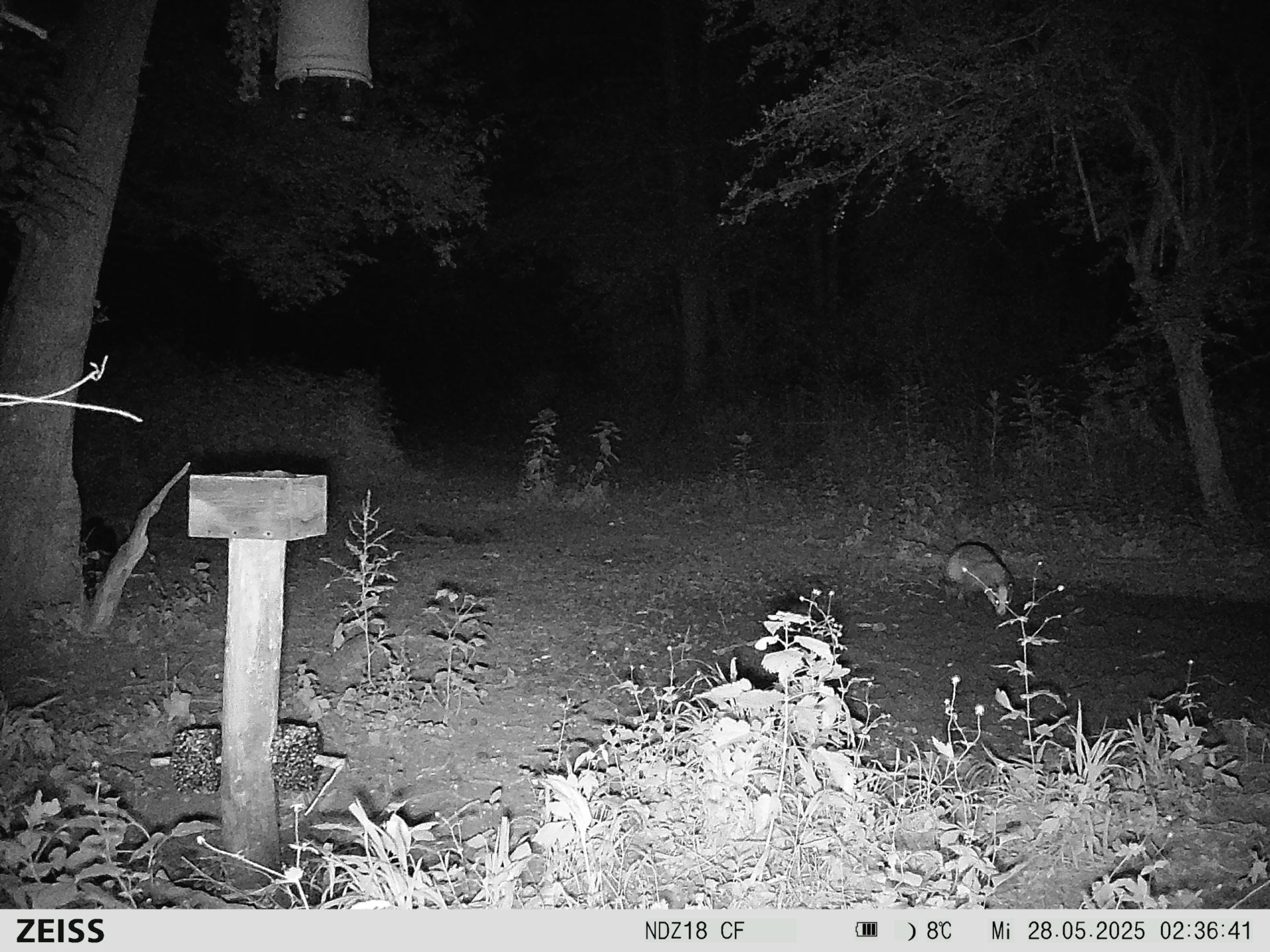
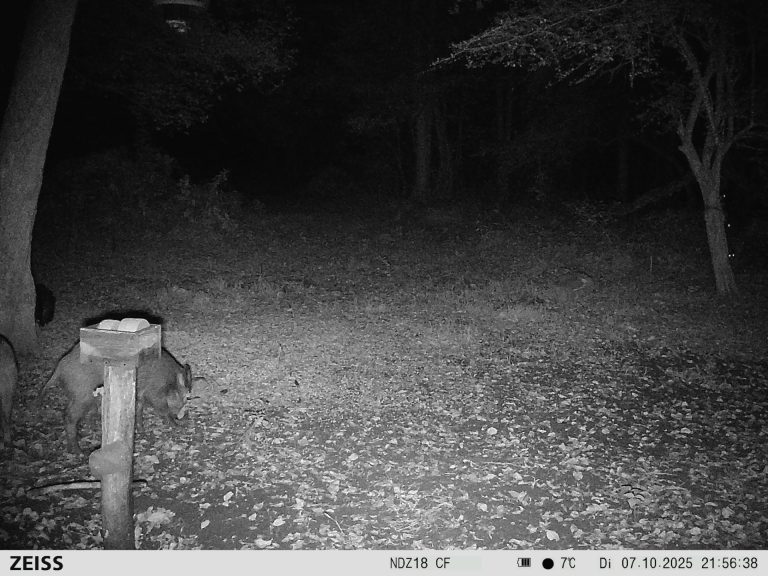
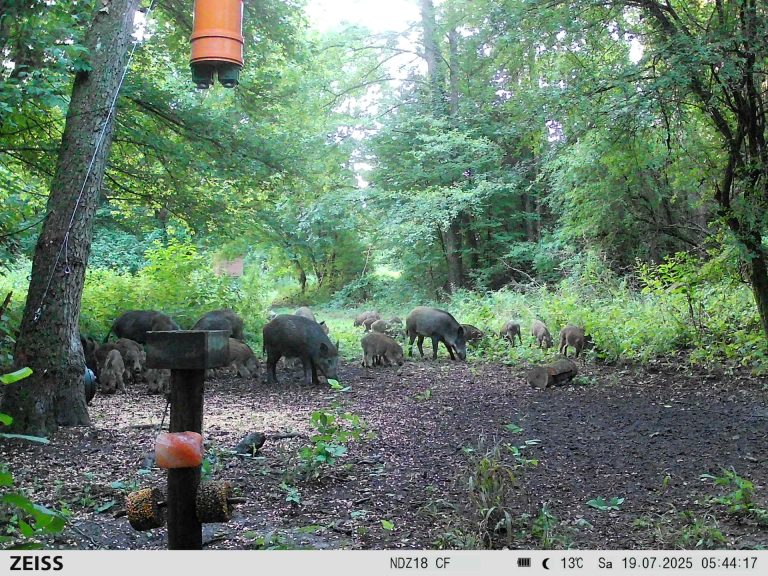
The initial settings of the dual feeder-automat used on the property, originally judged to be good, needed adjustment due to how the game’s behavior developed. Based on observations, a large group – consisting of at least three sows, three or four subadults, and about 23 piglets – visited the feeding spot regularly, though at completely irregular times, sometimes around the clock.
In some cases the automat would start up while the group was present, which resulted in the wild boar immediately fleeing in a panic after the feed was dispensed. After such negative experiences, it took them several hours to return, and at times they only came back to the area around 6 am — where, however, the feeder’s operation disturbed them all over again. This situation was unsustainable both from a hunting and a wildlife-management standpoint, so it became necessary to redesign the automat’s operation.
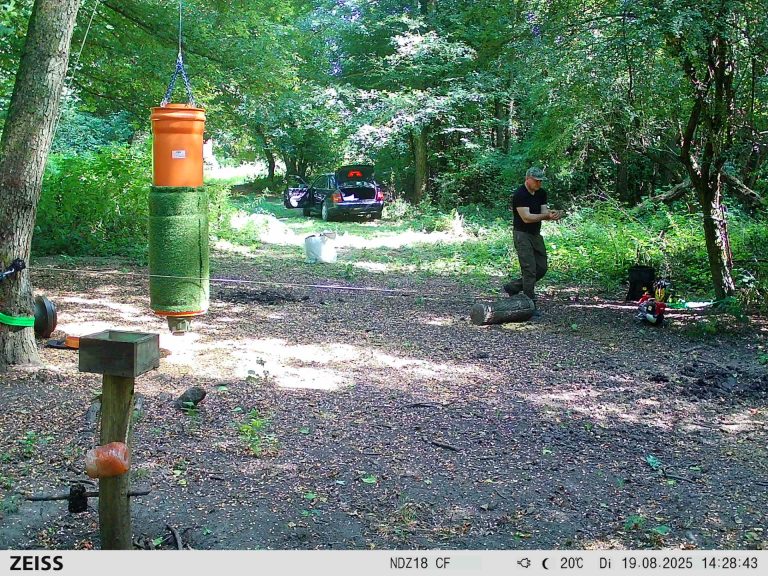
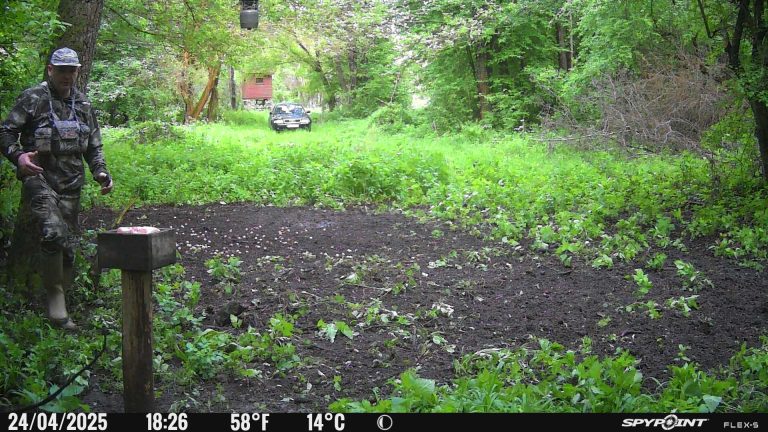
Given that the feeding site is about 280 km from where I live, the setting adjustments were carried out by a trusted helper of mine. However, due to a technical misunderstanding, the feeder started operating not at the previously agreed afternoon time (12:30) but at 00:30 after midnight — which introduced a further disruptive factor into the nighttime activity cycle. Furthermore, the other automat had not been working since the adjustment, which turned out to have been caused by contaminated feed that had gotten into the tank, along with the resulting mechanical jam (a corncob fragment causing a blockage).
Now that the existing problems have been resolved, both automats are working properly again. The single daily feeding takes place every day at 12:30, lasting 25 seconds. One feeder unit operates at a higher rotation speed with a wider scatter range, while the other dispenses the feed at a lower rotation speed within a narrower band. Based on experience — though precise measurement data isn’t yet available — we can reckon on roughly 1 kg of corn being dispensed every 10 seconds, meaning that over the full cycle one automat scatters between 4.5 and 5 kg evenly across the designated area.
To increase wildlife-management efficiency and preserve the animals’ natural behavior, I’ve also employed a traditional German hunting method as a supplementary tool: the so-called "Kirrtrog Schwarzwild Kirrung* "Susgestopfter Baumstamm"*. This is a hardwood log about 40 cm in diameter and 80 cm long, one side of which is cut off at a 1/3–2/3 ratio and used as a lid, while the remaining part of the trunk is hollowed out with a chainsaw. Corn is placed in the cavity and then covered with the cut-off lid section. Driven by their natural curiosity, the wild boar try to pick the feed out from the side, so they linger in the area longer. When positioning this, we also take the stands’ locations into account, so that the animals end up facing a favorable direction for hunting while feeding.
This method not only increases hunting efficiency but also contributes to observing the herd’s behavior, and by avoiding excessive disturbance, it also better serves conservation considerations.