Economically planned feeding and a new piglet gang at the feeder.
Economically planned feeding and a new piglet gang at the feeder.
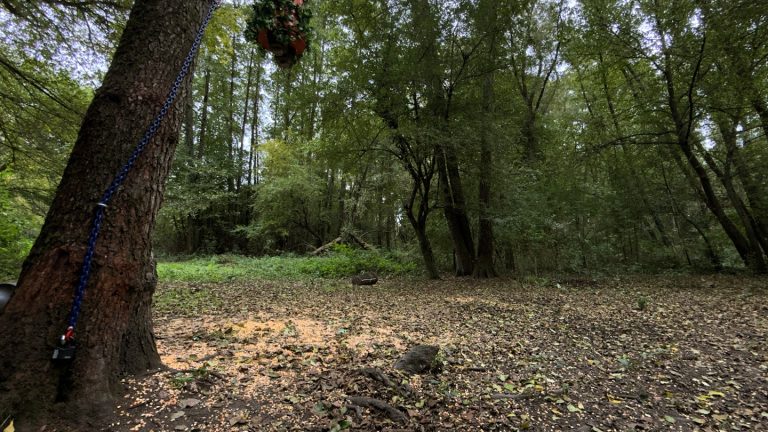
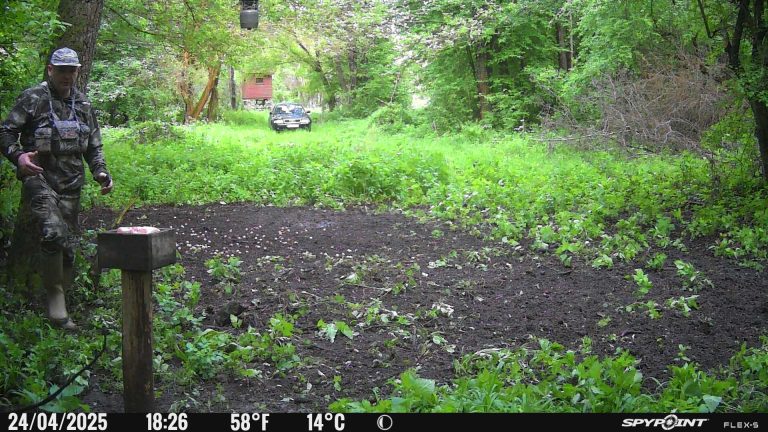
Yesterday I refilled the feed again, since the automatic feeder heads were already spinning empty – a clear sign of depleted stock.
From this the following management data can be drawn:
The previous refill, on May 10th, was done with 150 kg of grain corn.
Over the 28-day interval – despite fine-tuning the timing settings – the daily dispensed amount remained unchanged (about 5 kg/day).
Currently both feeders activate at 12:30 noon, with differing spread radii, and dispense the “blessing” for 25 seconds.
The math is quite simple: at a full dispensing speed of 10 dkg/second, that’s 5 dkg/second per head (i.e. 2.5 kg/feeder/day).
This data is key for planning feed costs, mitigating expected game damage, and tracking the herd’s feeding preferences.
My continued goal is to remotely monitor the tank level with the Moultrie Feed Hub system and fine-tune the dispensing parameters (e.g. timing, portion) based on actual consumption.
Adopting the technology sometimes requires patience, but it enables more efficient management in the long run!
Also.
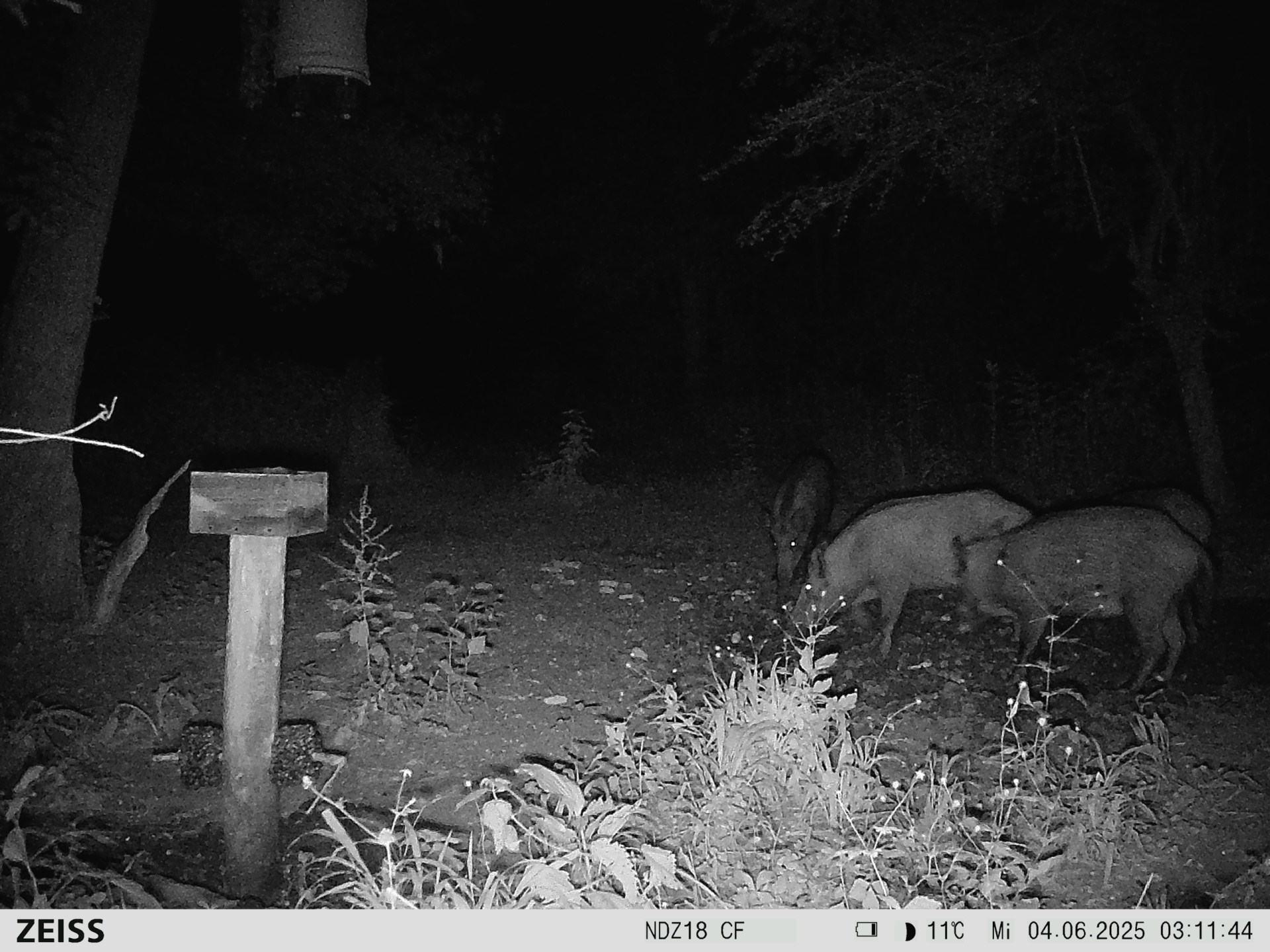
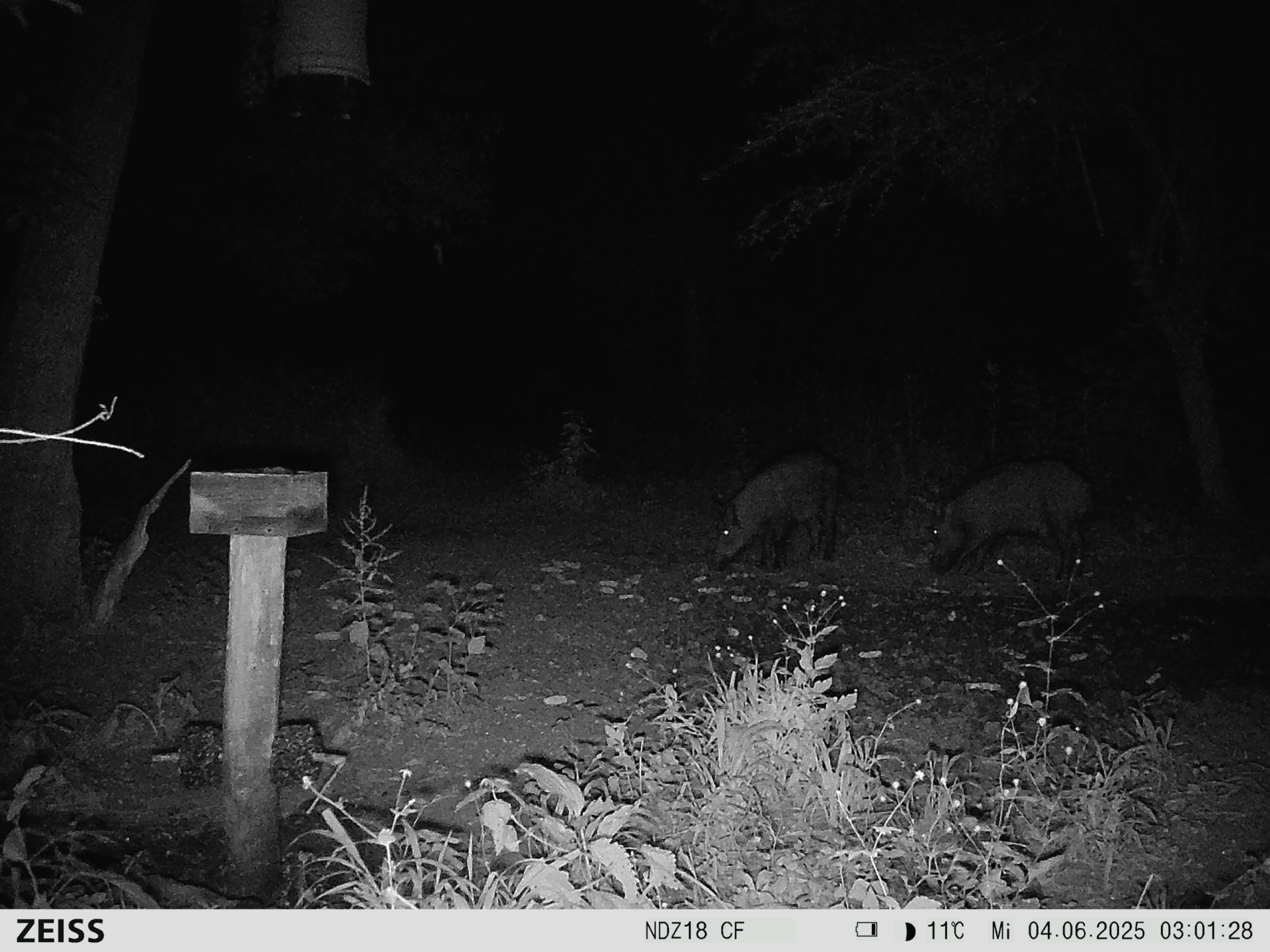
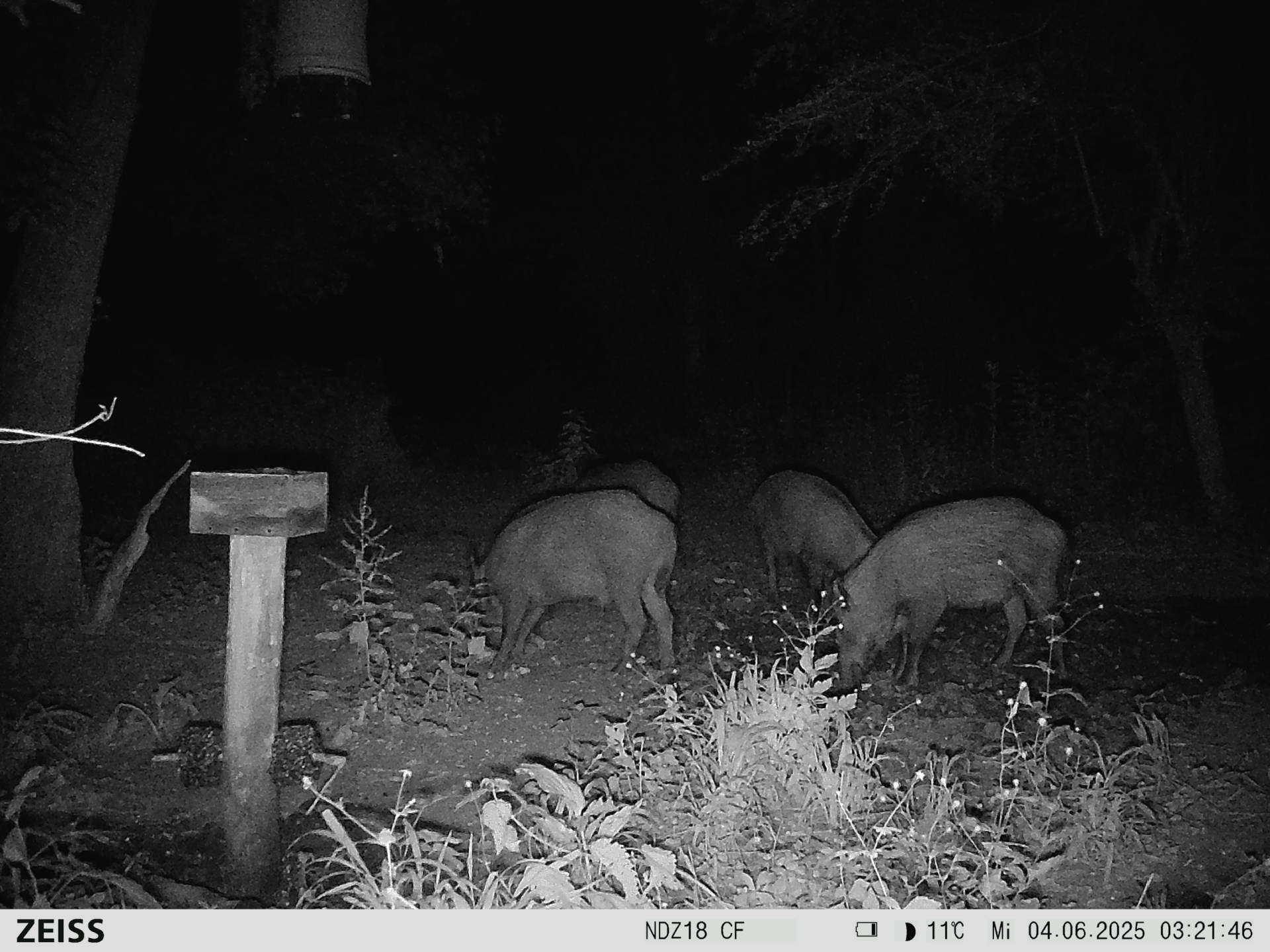
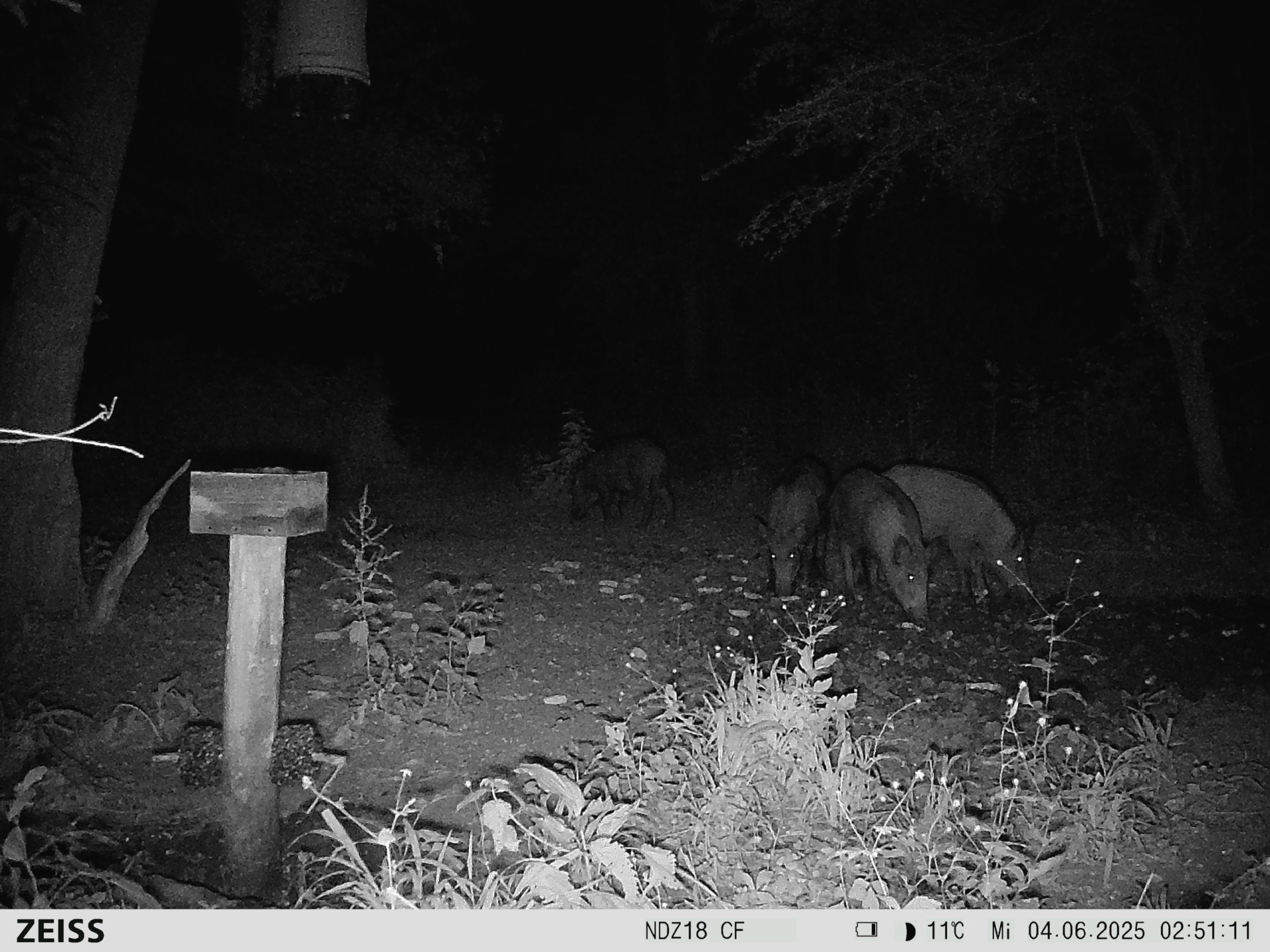
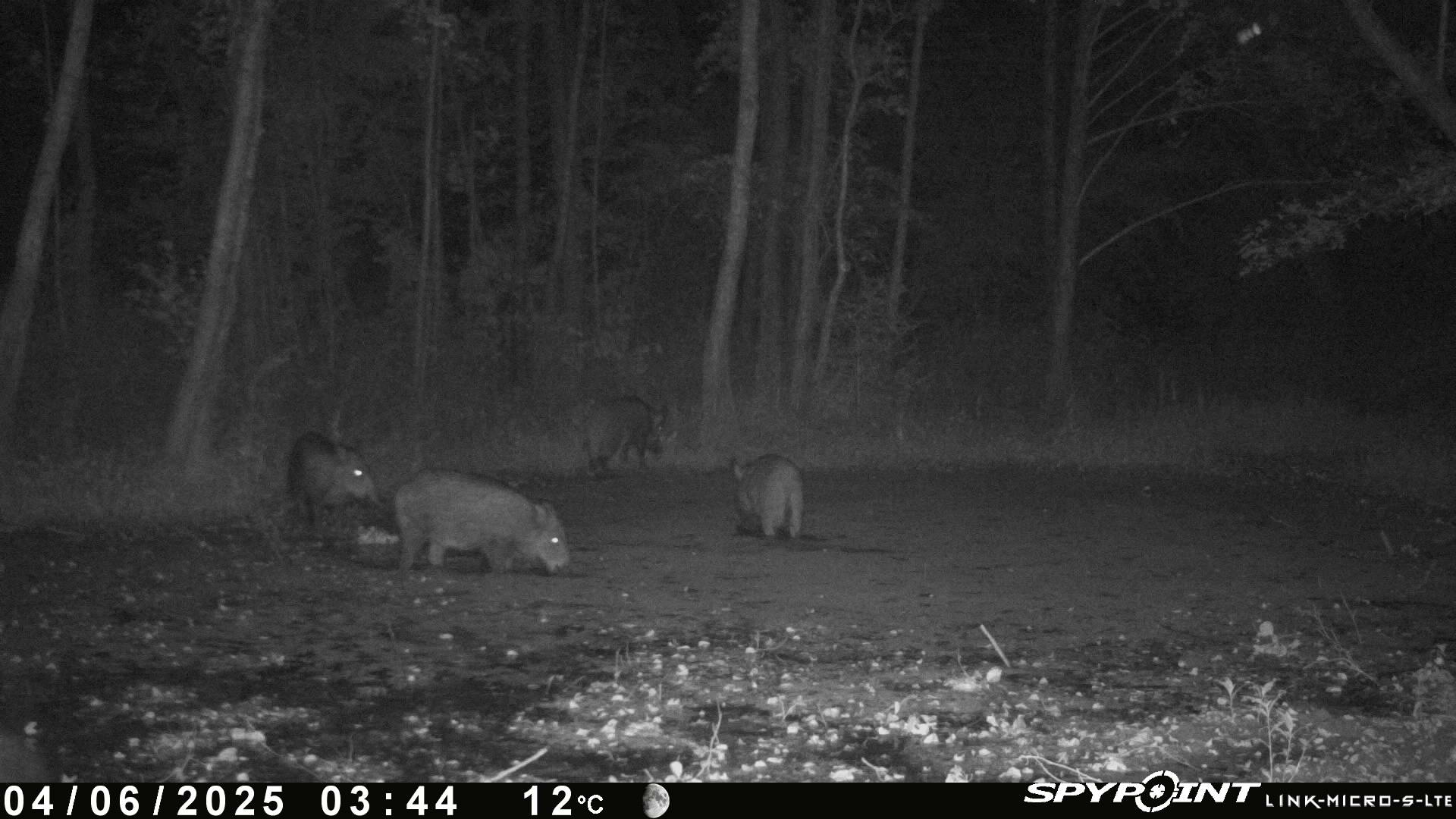
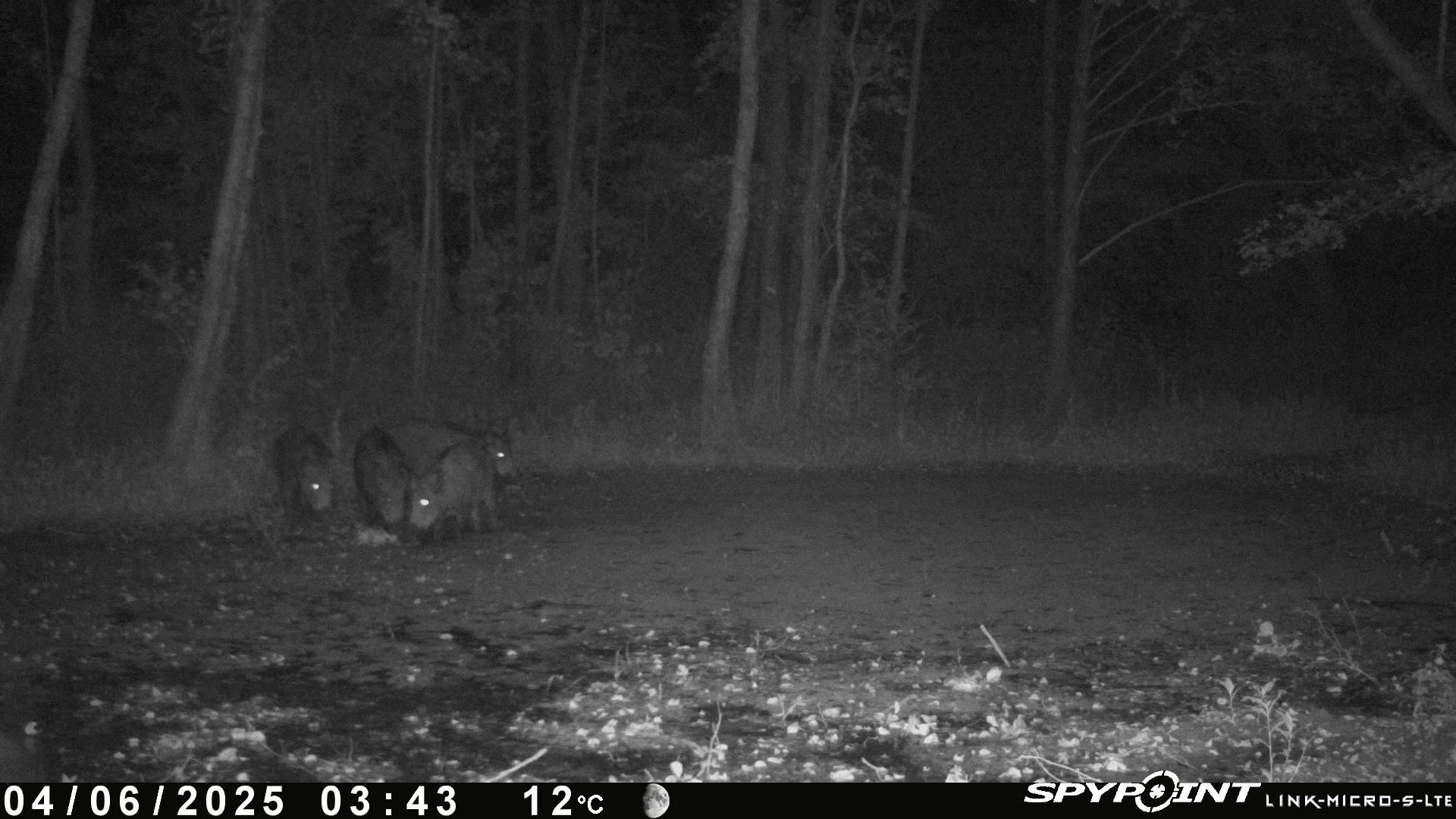
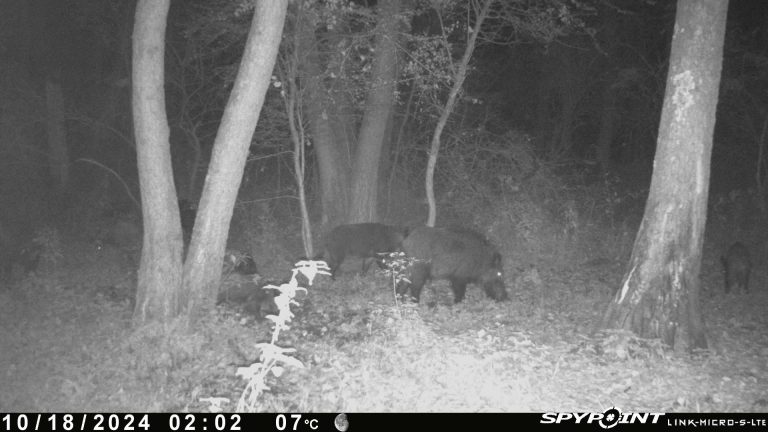
A group of four wild boar also discovered this feeder, set up in a quiet, secluded spot deep in the forest.
They arrived at 02:30 at night and spent about 90 minutes on site, feeding calmly and intensively.
/ When they don’t run off with an ear of corn to eat it under a sheltering bush, that’s full trust in the place. /
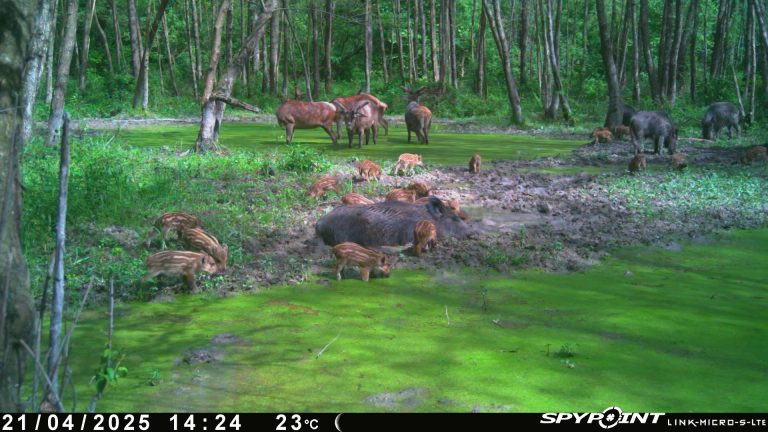
After they’d had their fill, they headed toward the Big Green Wallow, where, for some well-earned leisure time, they rolled around on the boundary between water and bank, in mud soft enough to be ideal for getting rid of parasites, thoroughly rubbing and scratching themselves “from head to toe” – or rather, from snout to trotters – against the beech trunks smeared with tar.
They waded knee-deep in the water, warmed lukewarm during the day.
They dipped, splashed, bathed, and paddled about.
They enjoyed every carefree pleasure of piglet life.
This special, uninhibited behavior isn’t just about hygiene – it’s a fundamental part of the boars’ natural life rhythm and well-being.
Tomorrow evening on the stand, with hopes of on-site observations, I may gather even more detailed data on how they relate to the feeder and how environmental factors affect feeding habits.