Field experience with the ZEISS Secacam 7 trail camera — a comparative analysis from a wildlife management perspective…
Field experience with the ZEISS Secacam 7 trail camera — a comparative analysis from a wildlife management perspective
Trail cameras have by now become an indispensable tool in wildlife management, wildlife biology research, and conservation.
They allow for non-invasive monitoring of populations, detailed analysis of movement patterns, habitat use, and behaviors (e.g., wallowing, feeding, social interactions), as well as documentation of the presence of rare or protected species.
Alongside technological advances, cameras’ data transmission solutions are also expanding, which fundamentally affects fieldwork and the possibility of rapid intervention.
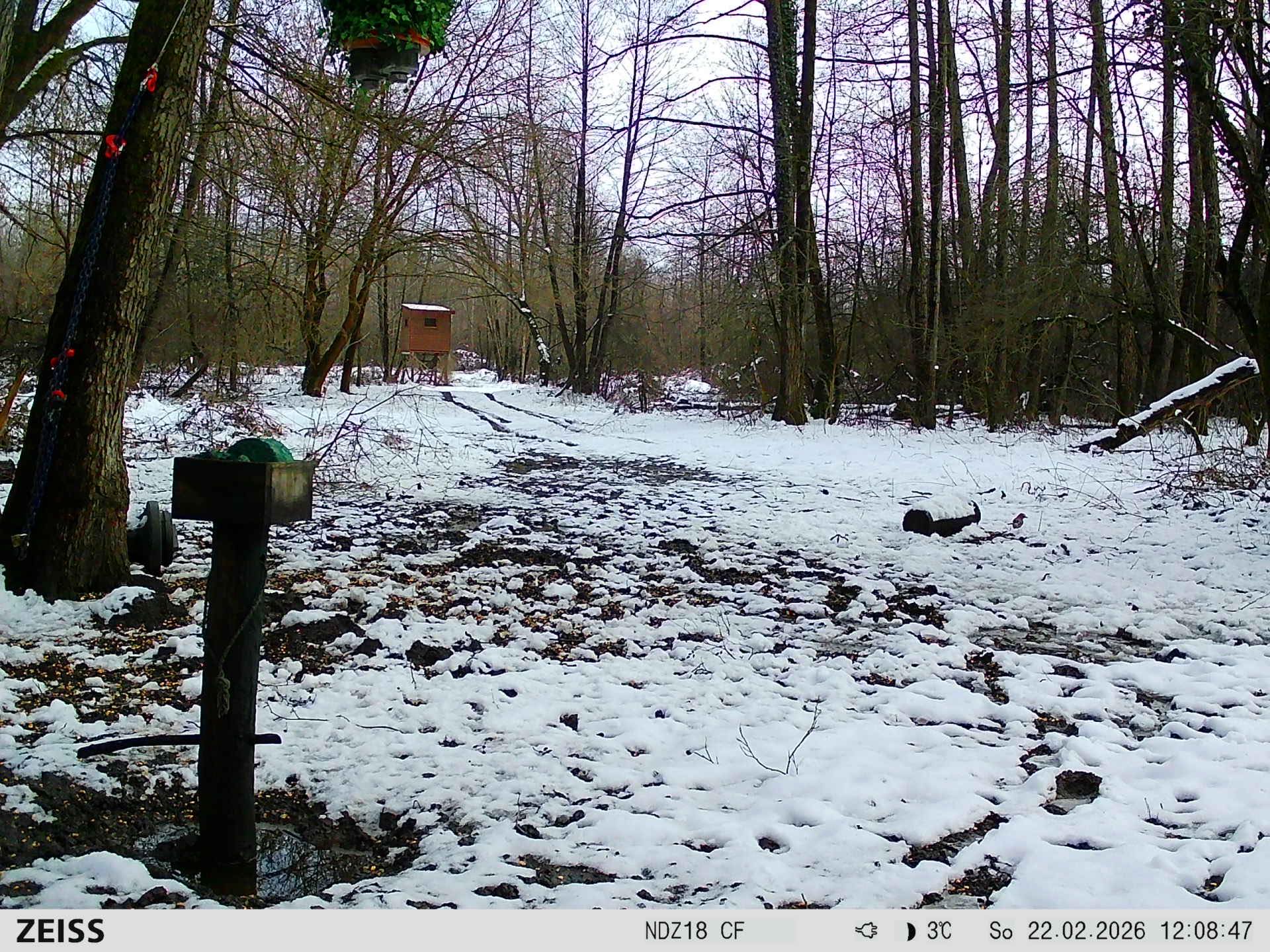
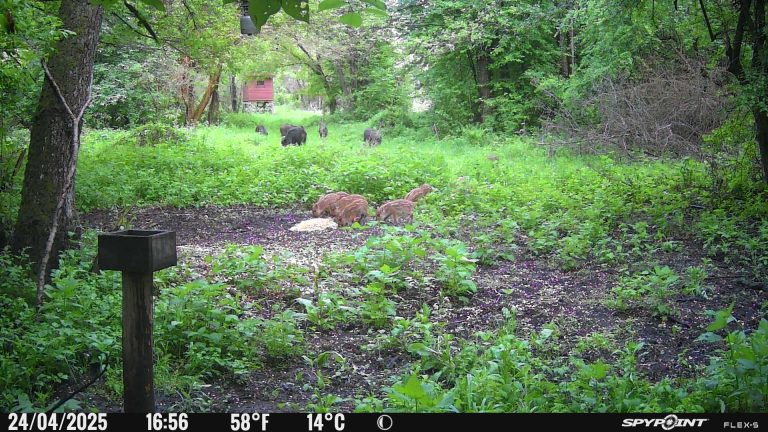
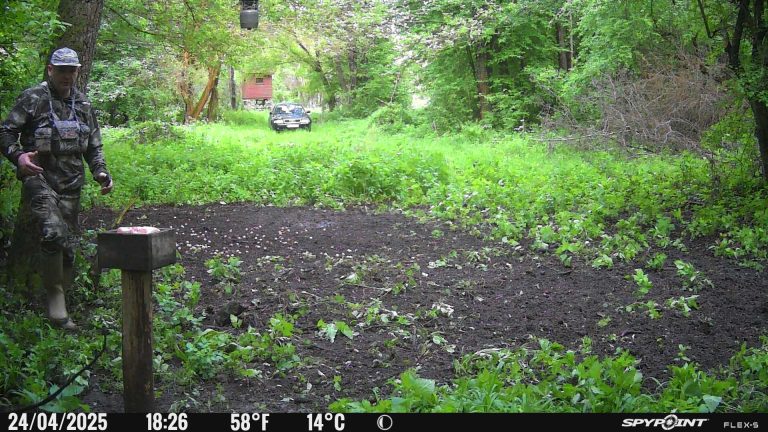
Last year, I replaced the Spypoint FLEX-S camera watching the feeder with a ZEISS Secacam 7 unit.
More than half a year of field experience proved so convincing that the Spypoint Link-Micro-S LTE cameras operating at the large green wallow were also replaced with Secacam units.
Below is a summary comparing the two systems and the wildlife-management advantages of the Zeiss.
Operating logic and its significance for wildlife management
The Zeiss’s fundamental operating philosophy differs from the usual approach: instead of relying on timed synchronization, it sends images immediately upon detection. This is a fundamental difference from a hunting and wildlife management standpoint.
While timed synchronization is energy-efficient, real-time data transmission allows us to react immediately to events in the area — whether it’s the movement of big game, the appearance of predators, or even suspected poaching.
We don’t have to guess what happened between synchronizations: with information in hand immediately, we can plan selective hunting, wildlife damage prevention, or conservation interventions.
Power supply and field applicability
The higher energy demand of continuous data transmission is offset by the Zeiss’s well-tunable settings.
Consumption can be optimized by fine-tuning the parameters of active periods, detection pauses, the time-lapse function, reference shots, and infrared flash mode.
According to our practical experience, a 12 V / 9 Ah external battery can run the camera for half a year without compromise, even with intense activity and longer video recordings.
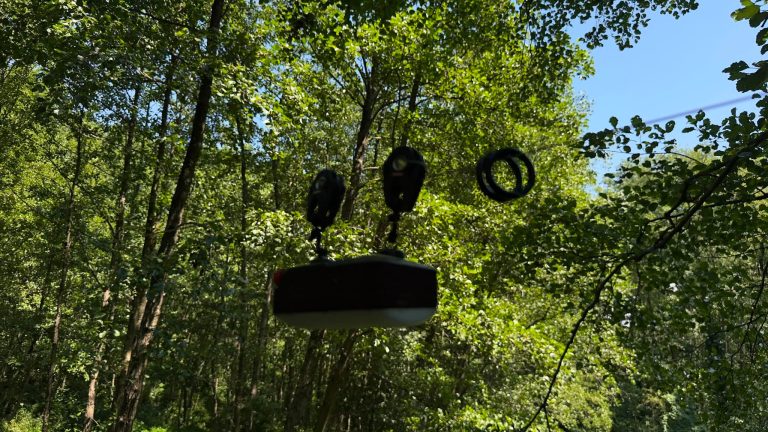
Our solar power experiment in a partially shaded forest environment did not work out: besides its weak efficiency, the visibility of the solar panel also increases the risk of human disturbance and equipment theft.
An external battery is therefore a more stable and more discreet solution for long-term monitoring.
Image and video quality from a wildlife-biology perspective
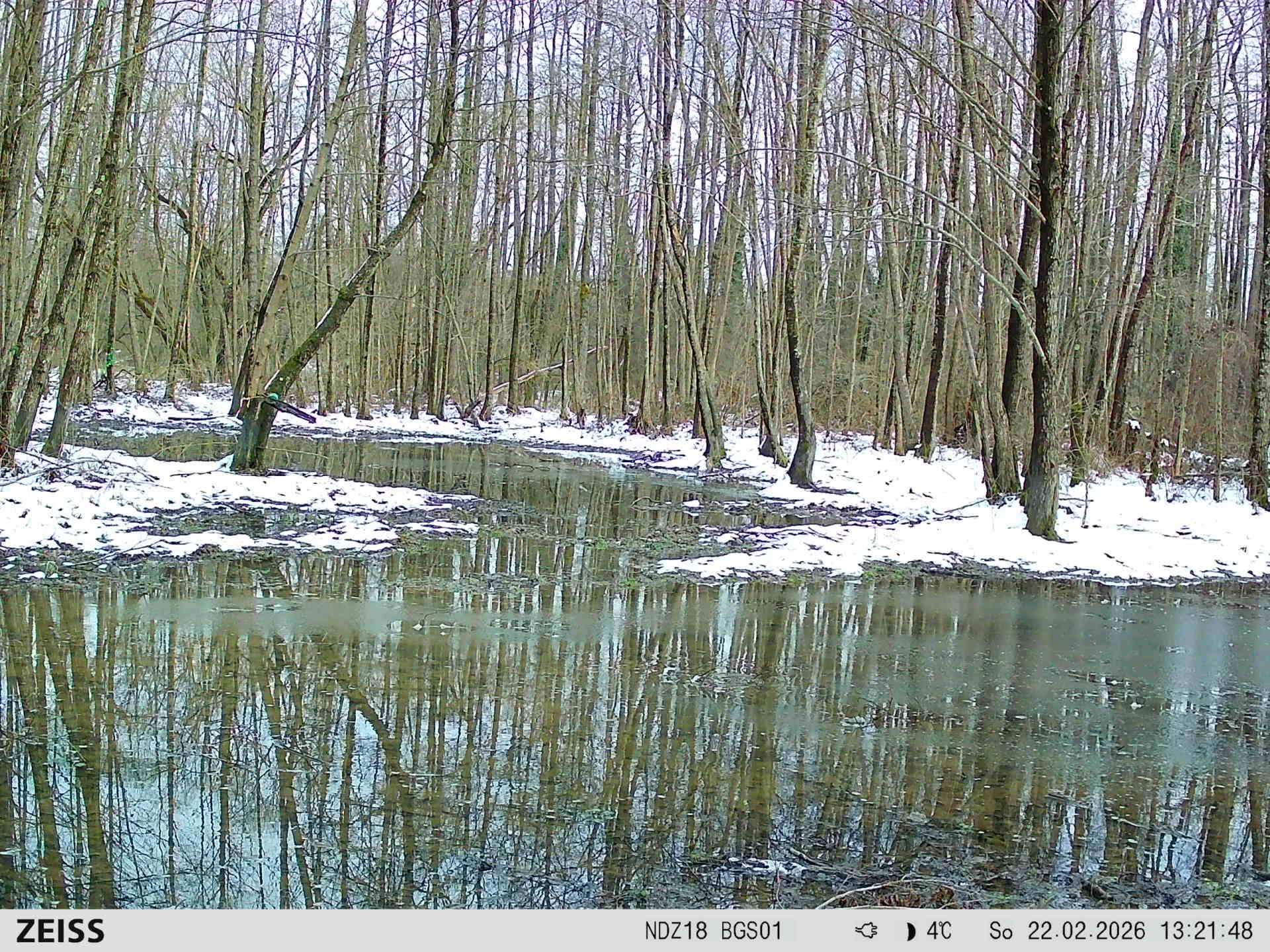
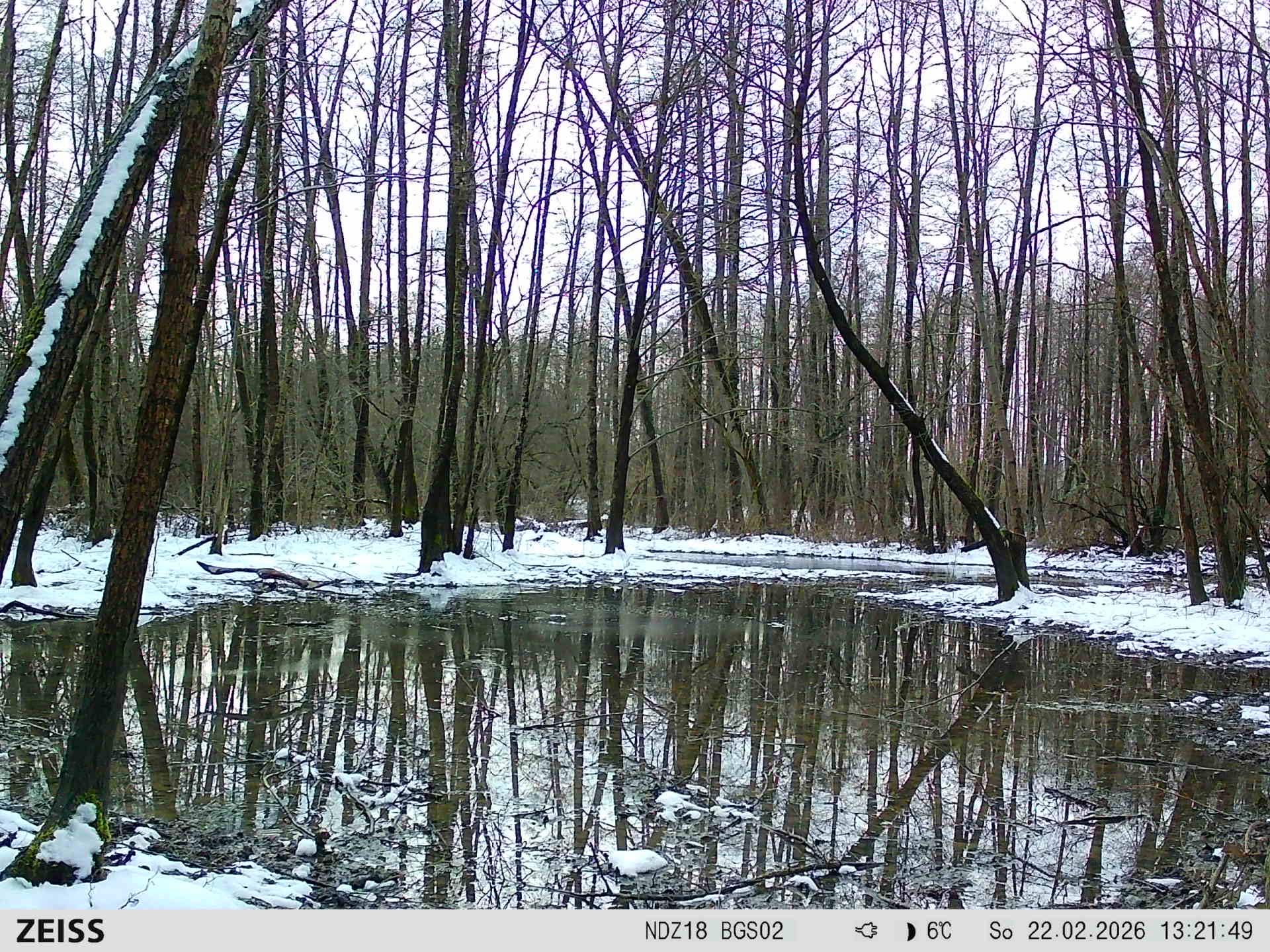
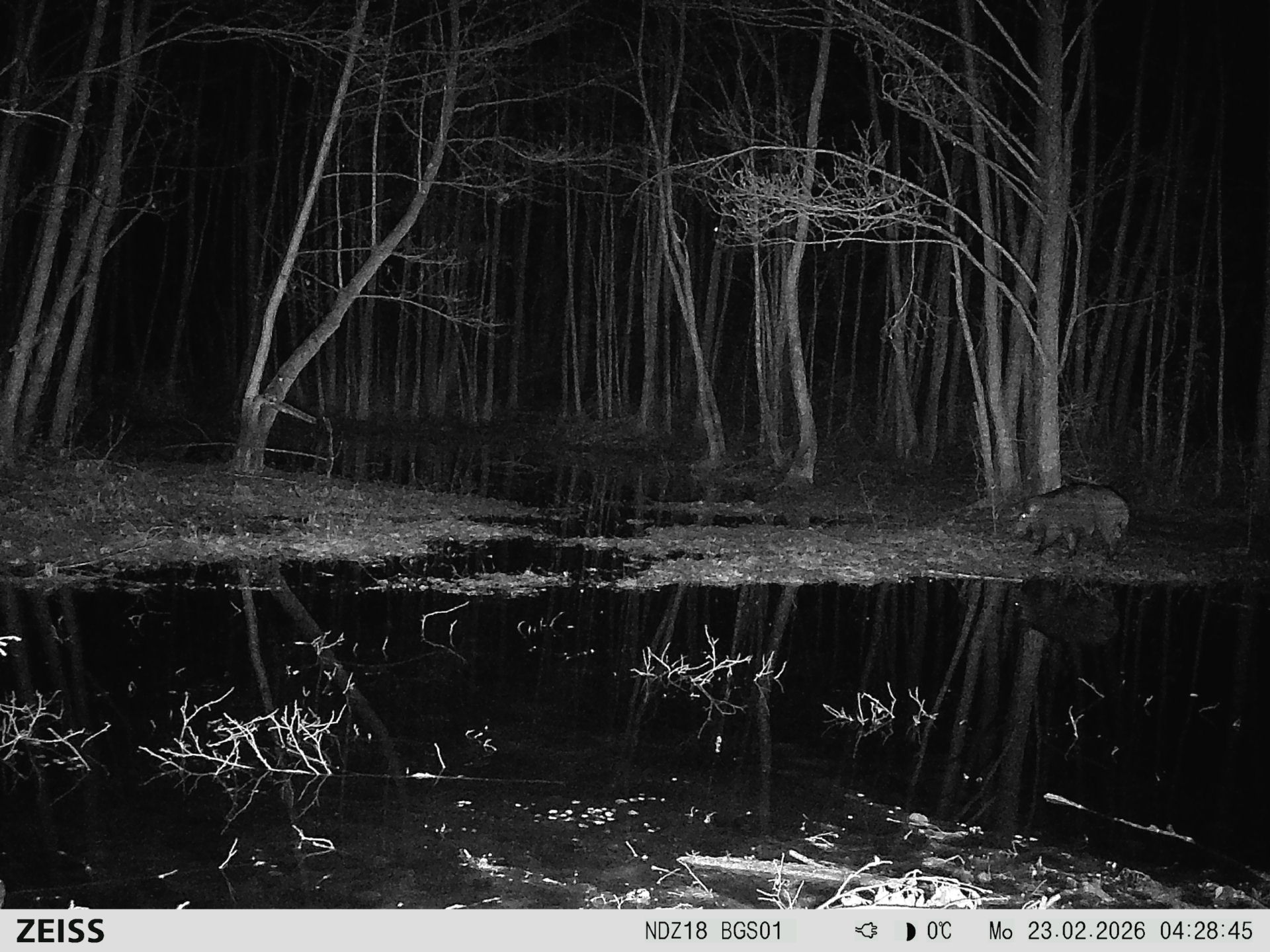
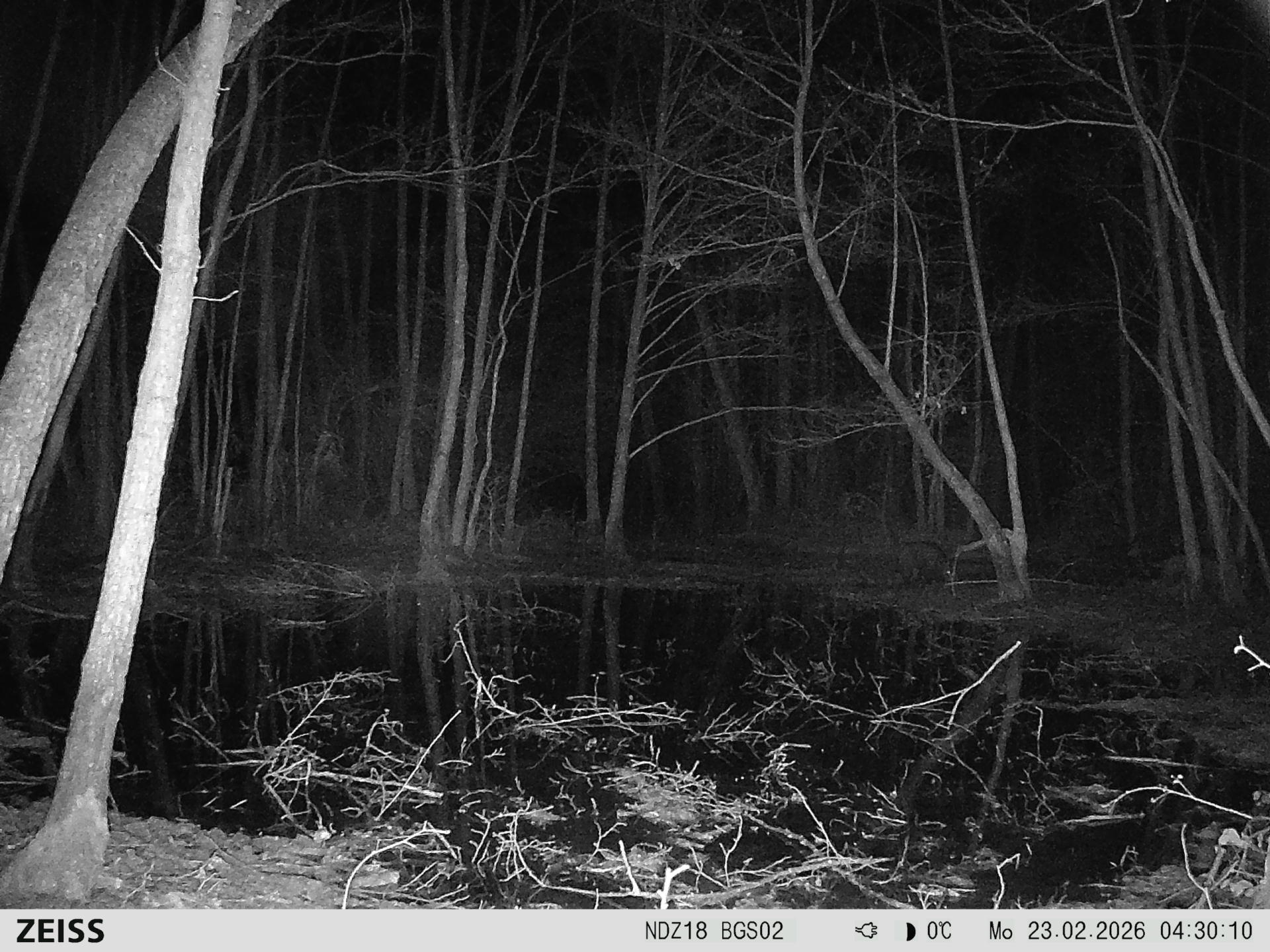
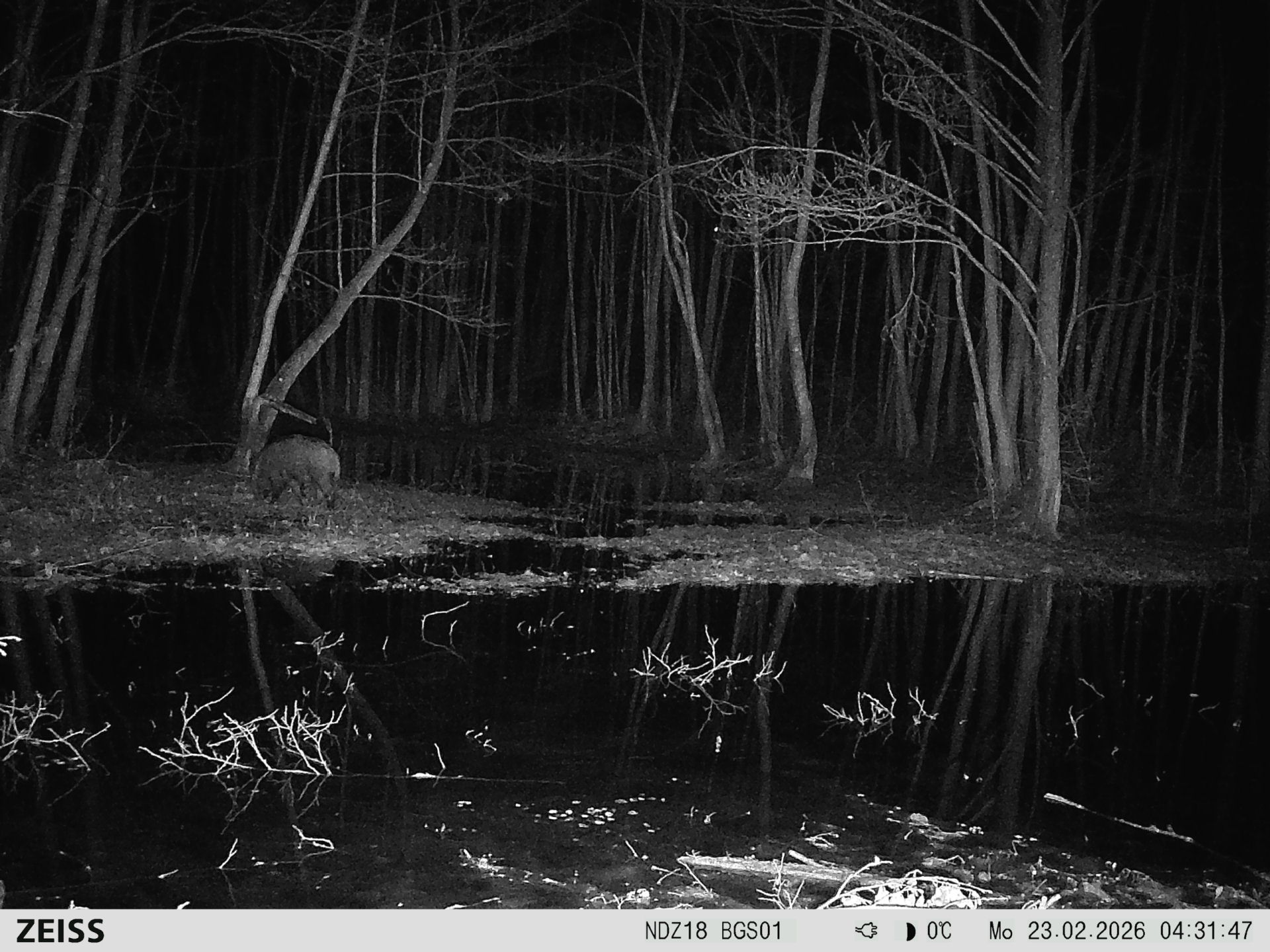
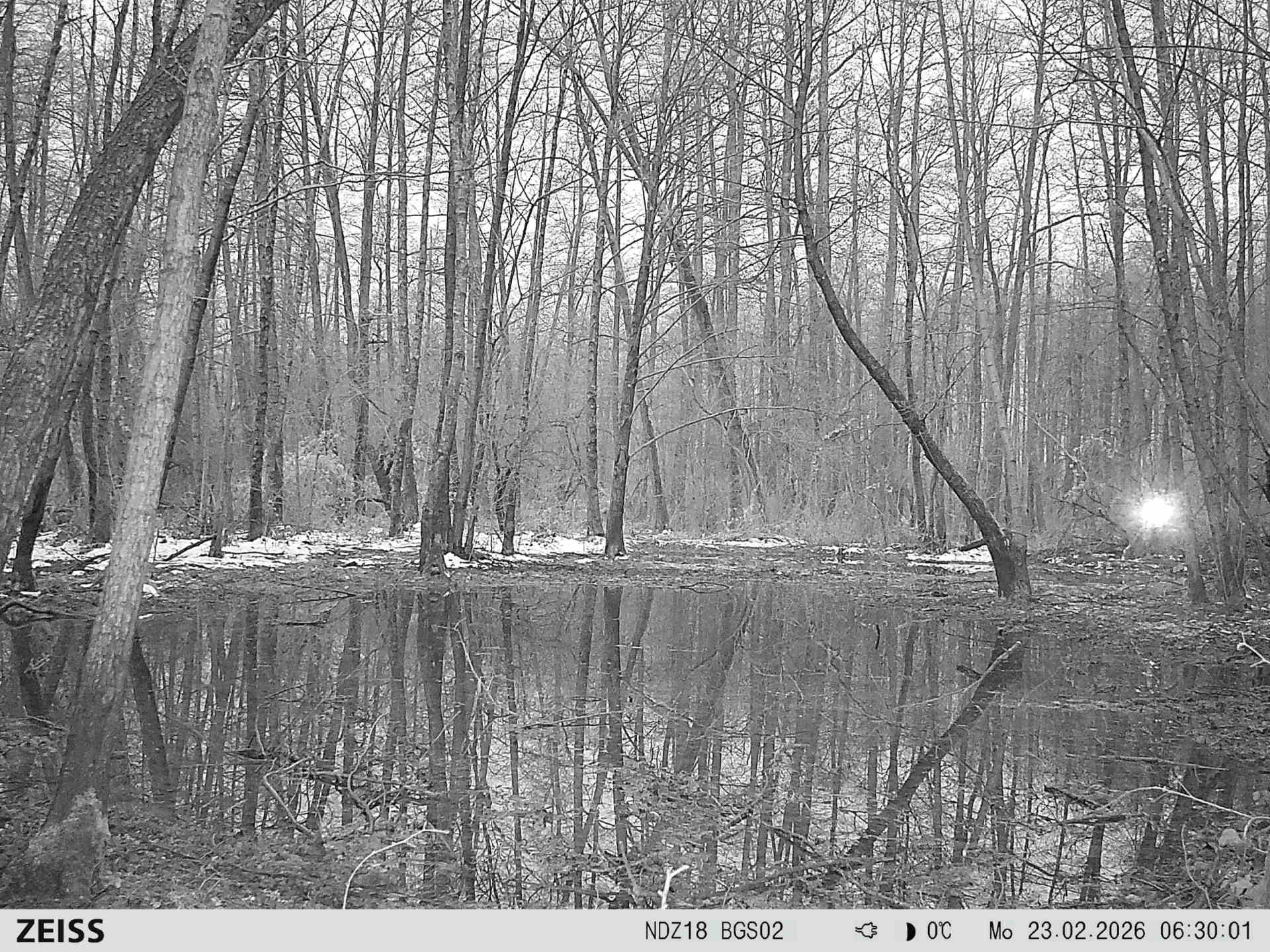
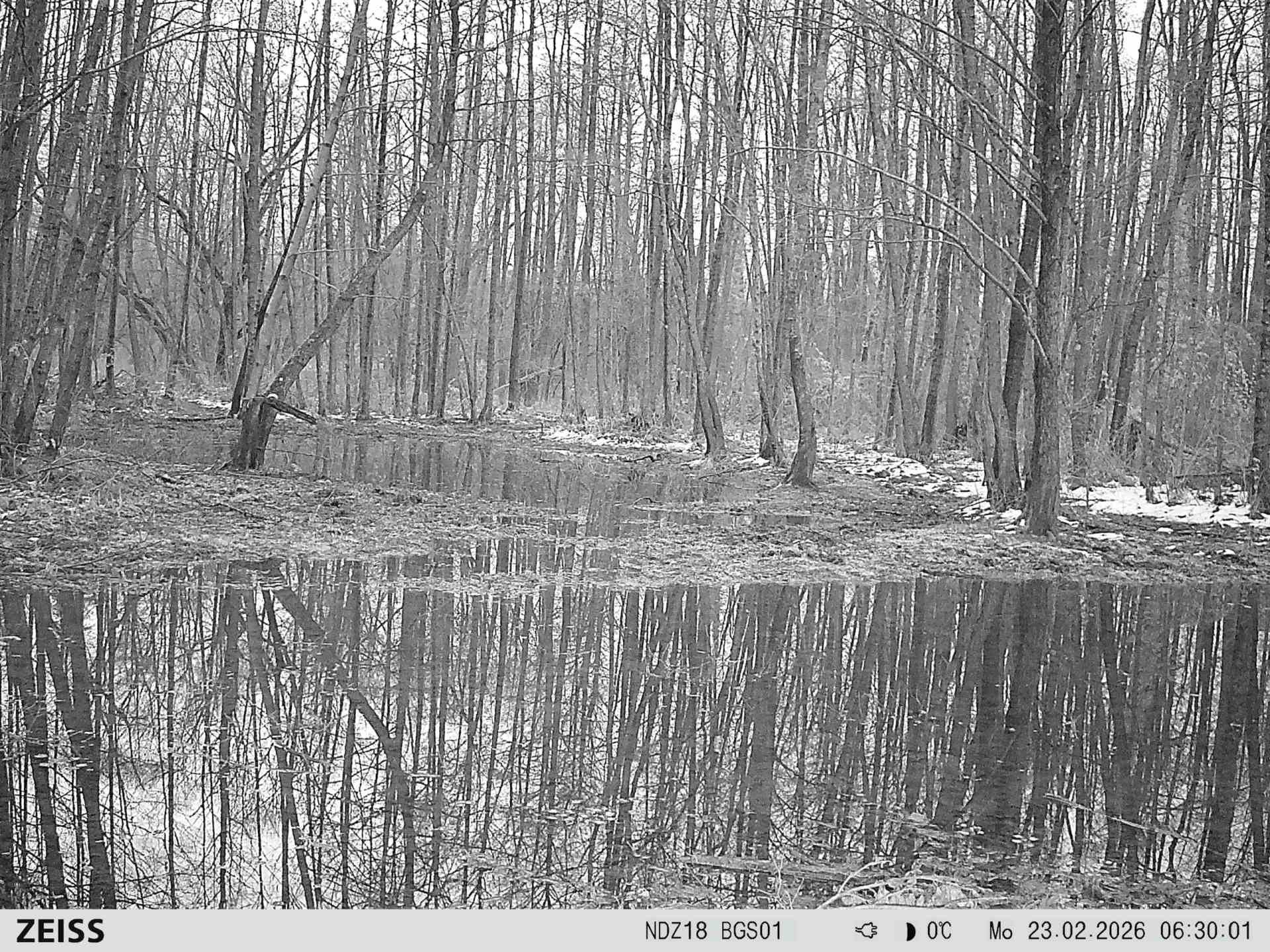
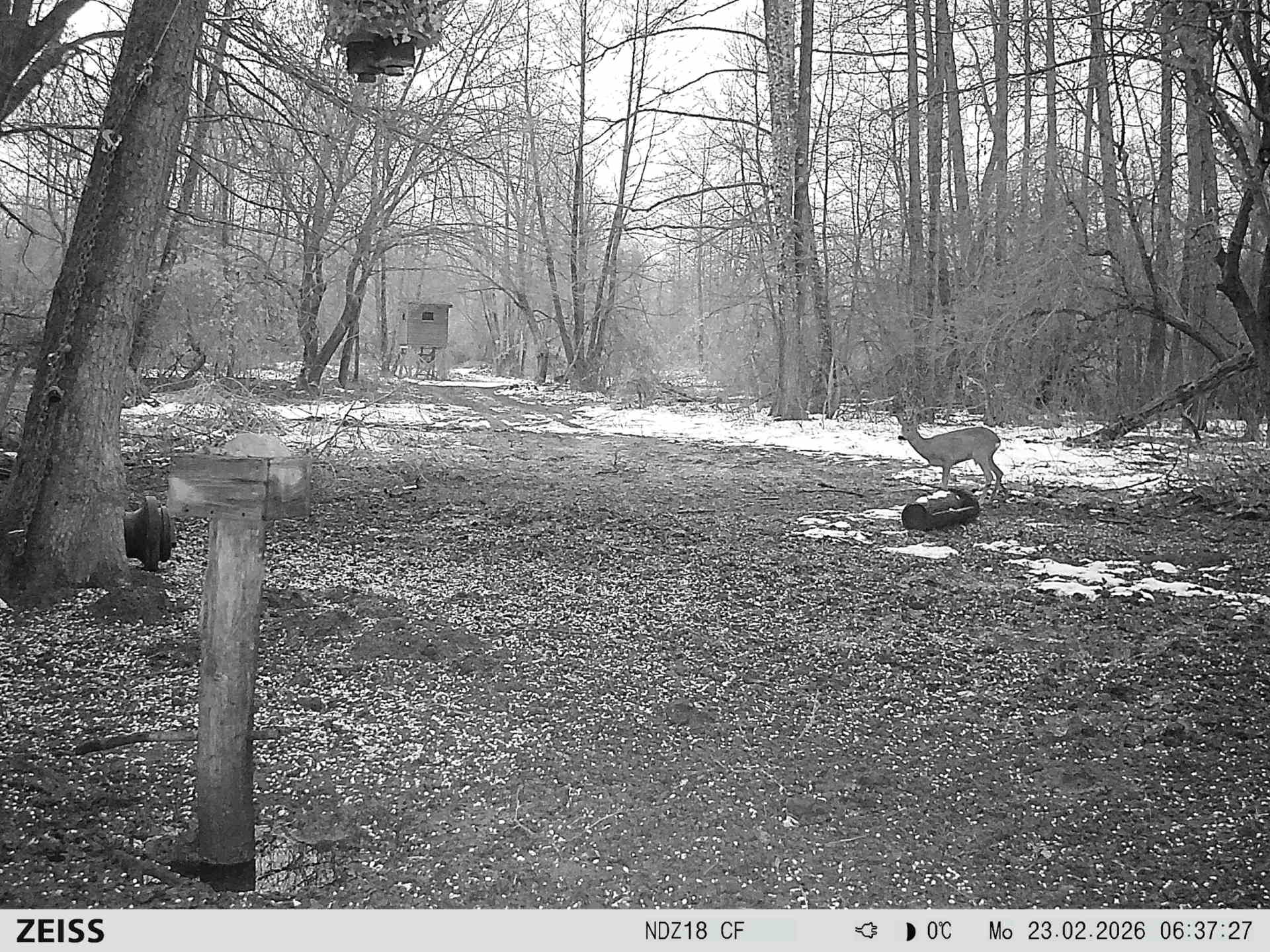
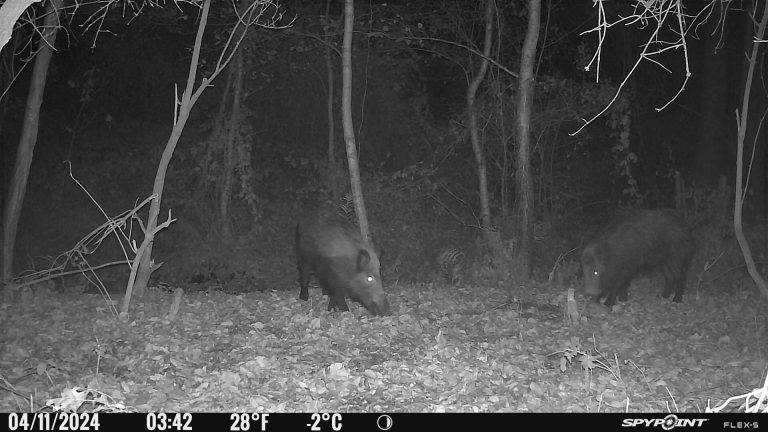
On paper, the Spypoint promises higher resolution, but in field comparison the Zeiss delivered more natural colors, less night-time noise, and more balanced exposure (uploaded night footage).
From a wildlife-biology standpoint, image quality is critical: identifying individuals (e.g., tracking antler development, estimating body weight, recognizing injuries or diseases), detailed analysis of behavioral patterns, and documenting rare species all require better image quality.
The Zeiss’s videos of up to 50 seconds provide a further advantage: on hunting days, programmed with one-minute pauses between recordings, barely ten seconds elapse between clips, so there is a good chance of capturing the moment of the shot, which is also not insignificant for checking hunting ethics and accuracy.
Detection parameters and field usability
We found no meaningful difference in detection speed or range: both cameras reliably detect motion at the usual distances, and the Zeiss records events on the far side of the wallow without any trouble as well.
However, field usability tips the balance in favor of the Zeiss.
The built-in display allows checking the framing, adjusting settings, and running diagnostics without a phone app — an undeniable advantage in areas with weak signal.
When using a steel protective housing, the camera must be removed to open the door, so it’s worth ensuring a stable mount; lightweight ball heads tend to shift due to the overall weight, which reduces the precision of the setup.
Weather resistance and long-term reliability
One of the most important factors for prolonged outdoor use is weather resistance.
The Zeiss’s sturdy construction and carefully sealed housing have so far performed excellently, even after heavy rainfall.
By contrast, the Link-Micro cameras have previously experienced water ingress and battery failures, which not only interrupts data collection but can also lead to camera malfunction.
Regularly checking the condensation and the condition of the seals is therefore key to maintaining continuous monitoring.
Summary
The Spypoint remains a perfectly usable system, especially where periodic data updates are sufficient. The ZEISS Secacam 7, however, delivers instant, real-time information, operates more reliably under adverse weather conditions, and also offers better image quality from a wildlife-biology perspective. So for anyone in wildlife management, conservation, or wildlife-biology research looking for a tool that provides accurate, fast, and long-term reliable data, and who has no problem with using an external battery, the Zeiss offers a tangible advantage under field conditions.